
Economy
Buhari commissions BUA Cement Sokoto 3mmt line 4 factory, production to hit 17mmt by 2023

Nigeria cement production received a boost as President Muhammadu Buhari commissioned the three million metric tonne per annum BUA Cement Sokoto Line 4 Factory. BUA Cement said it will soon complete the construction of two new plants of 3MMT each in its Sokoto and Okpella in Edo plants, thus raising its production capacity to 17MMT per annum by 2023, from its present 11 MMT achieved with the commissioning of the new Sokoto Line 4 factory. The commissioning which took place at the BUA Cement Sokoto Plant was witnessed by the Governor of Sokoto State, Aminu Tambuwal; Governor of Kano State, Abdullahi Ganduje; Governor of Kebbi State, Senator Abubakar Bagudu; the Governor of the Central Bank of Nigeria, Godwin Emefiele; Sultan of Sokoto, Muhammadu Sa’ad Abubakar and Emir of Kano, Alhaji Aminu Ado Bayero.
Speaking at the commissioning ceremony, President Buhari commended the BUA Group for it’s investment in the cement industry, which has made the company the largest employer of labour in the Northwest zone. “I am also told that the company is set to complete two more plants soon. Through these investments, BUA has shown without a shadow of a doubt that they believe in Nigeria and its potential. Today, BUA and other entrepreneurs have made Nigeria self-sufficient in cement and a net exporter of this strategic product. Through these investments, BUA Cement has created employment opportunities for our citizens. Today, BUA is the largest employer of labour in the North-West region.”
Speaking at the event, Chairman, BUA Group, Abdul Samad Rabiu, said that the company has in the past four years invested over $1 billion in the past four years. Stressing that BUA’s investment in the cement industry was made possible by the support and commitment of the President to the development of the Nigerian economy, Rabiu said, “We had a vision to support your government’s infrastructure agenda by ensuring we use locally available raw materials to produce cement here in Nigeria.”
Rabiu also appreciated the support of the CBN in making the new plant a reality, adding that the apex bank should continue to support industries like BUA Group that use locally sourced raw materials to add value because as mentioned earlier. These industries potentially save the country billions of dollars yearly and also ensure products are readily available across the length and breadth of the country”, he said.
Highlighting recent investment by BUA Cement and it’s production target for the future, Rabiu said: “In the past six years, we have completed four plants – two in Obu, Edo State and two in Sokoto (of which this Sokoto line 4 is the fourth) with BUA’s total production capacity now standing at 11million tonnes with the completion of this plant. “Next year, we intend to complete the construction of two new plants of 3 million metric tonnes each for which construction is ongoing – one in Edo and the other here in Sokoto. We expect these plants to be completed next year which will bring our total production capacity to 17million metric tonnes. We look forward to Your Excellency coming to commission them by the first quarter of 2023. BUA will continue to invest more in the cement industry until Nigeria is self-sufficient and cement is made available, accessible, and affordable for all Nigerians.”
Rabiu further explained the significance of BUA’s investment in cement manufacturing, saying: “There are many reasons one can attribute to the important nature of this plant. The attendant effect of these investments in new factories go beyond the community and the state. It extends to the region and the entire country. From a job creation and economic standpoint, the Sokoto plant continues to be the largest private sector employer of labour in the North-Western part of Nigeria. Also, by adding value to resources mined in Nigeria, Nigeria is being saved billions of U.S dollars in foreign exchange that would have been spent on importation, whilst also ensuring product availability. In fact, 95% of all the raw materials used in our cement manufacturing process are sourced locally.
“In addition to this, and our investment in social impact and Corporate Social Responsibility, CSR, programmes for the community and Sokoto state at all levels, we are also committed to environmental sustainability. We have diversified our energy sources by introducing greener alternatives – in this case, Liquified natural Gas, LNG – to power the kiln and 48 megawatts power plant. Our power plants are now running on 100% LNG leading to reduced carbon emissions. This is the first of its kind at any cement factory in Nigeria. What this means also, is that as soon as the AKK gas project comes on stream, we are ready to be one of the first off-takers to satisfy our energy needs. This will also encourage further industrialization within the region, open new industries and ensure greater development and prosperity for this region and the nation in general.”
Also speaking at the event, CBN Governor, Mr. Godwin Emefiele, commended BUA’s investment in the cement industry, saying “The BUA group’s investment in Sokoto and in other parts of Nigeria reflects their belief in our country, and in the immense opportunities available in the industrial sector, given the abundance of human and natural resources in Nigeria. He added that the investment of BUA and other cement manufacturers has helped to raise product production capacity of the industry by 100 per cent from 30 million tonnes in 2014 to about 60m tonnes in 2021. “Consequent upon this investment by local businessmen into the cement manufacturing sector, our nation has been able to conserve billions of millions of dollars, as no dollar from our external reserves have been spent on importing cement into the country in the last 6 years. Importantly also, these investments have saved and/or created several thousands of jobs across multiple sectors of the economy,” Emefiele added.
Speaking further, the CBN Governor appealed to manufacturers in the construction sector to take urgent action in bringing down the price of building materials in Nigeria. “Indeed, there have recently been calls by construction companies , urging cement and steel manufacturers to do something about the skyrocketing prices of these two essential items in the construction sector. This sector is one of the major sectors in the economy helping to create employment and boost growth in our country. We are aware that some of our Cement manufacturers are producing for both the domestic and exports market, but we urge them to pay more attention to satisfying the domestic needs so as to bring down prices.”
-

 News20 hours ago
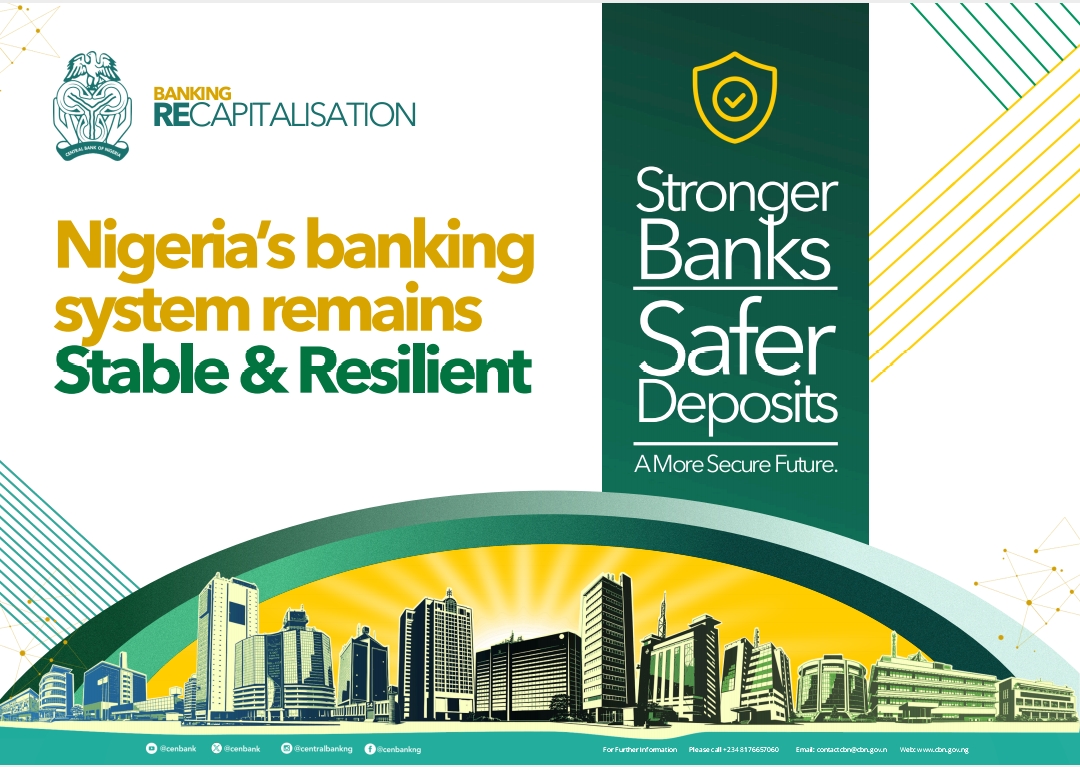
Cardoso formally receives Central Bank of the Year Award
-

 Economy20 hours ago
Nigeria’s Digital Boom needs nuclear power partnerships for long-term success
-
 Oil and Gas20 hours ago
NNPC is house of thieves, fraud; Kyari must be arrested dead or alive to account for N210 trillion—Oshiomhole
-
 Oil and Gas20 hours ago
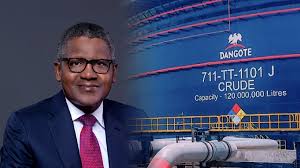
Dangote Refinery seeks $1bn private placement ahead of planned listing
-
Uncategorized19 hours ago
June 12 Democracy Day declaration not enough, as citizens wallow in pain – ActionAid, FG declares Friday public holiday
-
 News20 hours ago
Middle East Conflict sends global growth to lowest rate since COVID-19, WBG to Provide up to $100bn for Affected countries over 15 Months—WBG
-

 News19 hours ago
High cost of cooking gas‘ll negatively impact environment, health, CPPE warns