
Oil and Gas
OPEC+ keeps oil output steady despite turmoil among members

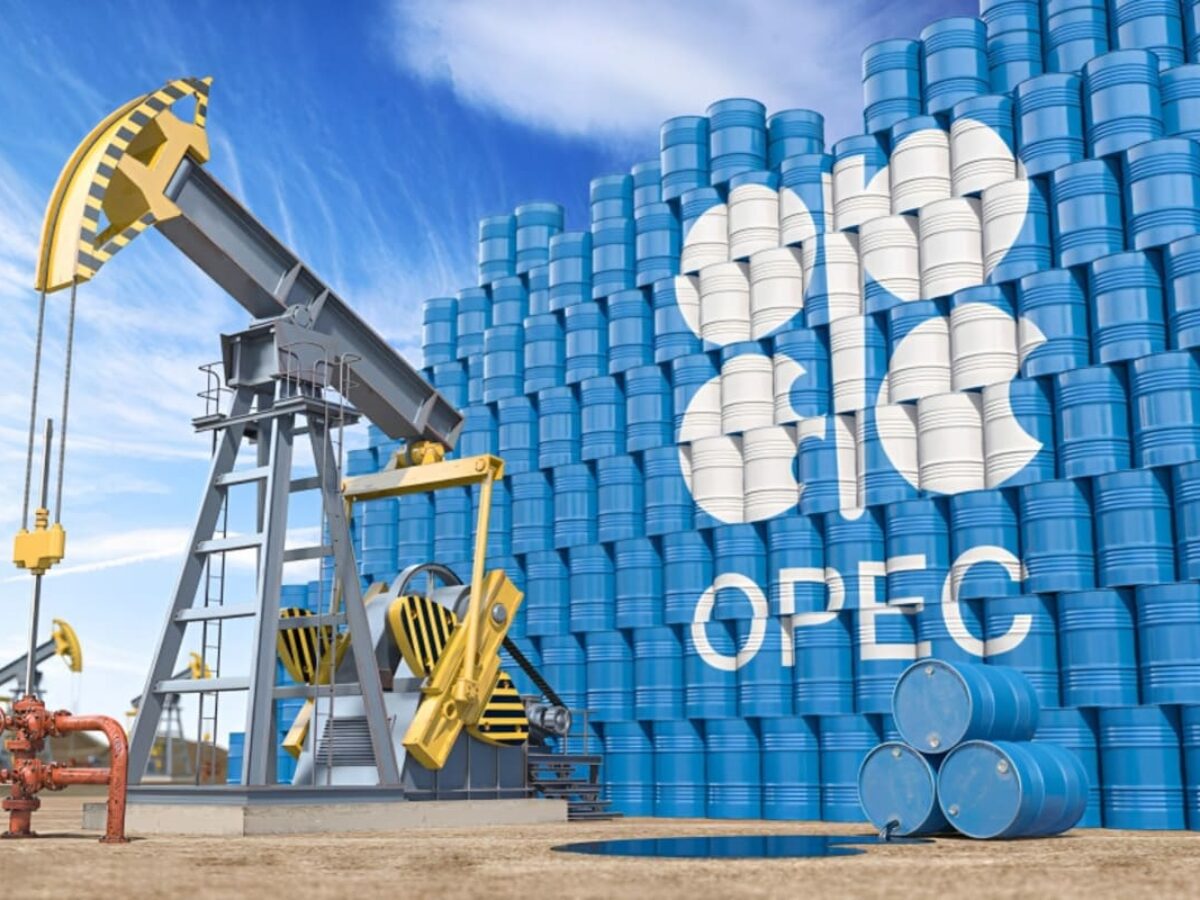
OPEC+ has agreed to maintain steady oil output at its meeting on Sunday, the group said in a statement, despite political tensions between key members Saudi Arabia and the UAE, and the U.S. capture of the president of smaller producer Venezuela.
Sunday’s meeting of eight members of OPEC+, which pumps about half the world’s oil, comes after oil prices fell more than 18% in 2025 — their steepest yearly drop since 2020 — amid growing oversupply concerns.
The eight – Saudi Arabia, Russia, the UAE, Kazakhstan, Kuwait, Iraq, Algeria and Oman – raised oil output targets by around 2.9 million barrels per day from April to December 2025, equal to almost 3% of world oil demand.
They agreed in November to pause output hikes for January, February and March. Sunday’s brief online meeting did not discuss Venezuela, one OPEC+ delegate said. The eight countries will meet next on Feb. 1, the statement said.

Tensions between Saudi Arabia and the UAE flared last month over a decade-long conflict in Yemen, when a UAE-aligned group seized territory from the Saudi-backed government. The crisis triggered the biggest split in decades between the former close allies, as years of divergence on critical issues came to a head.
OPEC has in the past managed to overcome serious internal rifts, such as over the Iran–Iraq War, by prioritising market management over political disputes. Yet the group is facing numerous crises, with Russian oil exports pressured due to U.S. sanctions over its war in Ukraine, and Iran facing protests and U.S. threats of intervention.
On Saturday, the United States captured Venezuelan President Nicolas Maduro and U.S. President Donald Trump said Washington would take control of the country until a transition to a new administration becomes possible, without saying how this would be achieved.
Venezuela has the world’s largest oil reserves, bigger even than those of OPEC’s leader Saudi Arabia, but its oil production has plummeted due to years of mismanagement and sanctions. Analysts said it is unlikely to see any meaningful boost to crude output for years, even if U.S. oil majors do invest the billions of dollars in the country that Trump promised.
-
 Economy1 day ago
72% of world trade still operates under WTO— Okonjo-Iweala
-
 News1 day ago
Northeast Development Commission distributes 10,000 e-vehicles to beneficiaries
-
 News1 day ago
Wike seeks N400bn to complete Abuja millennium tower
-
 News1 day ago
Subsidy savings spent on debt servicing, higher spending—Oyedele
-

 Oil and Gas1 day ago
Olugboboro community expresses worry over Oando Plc’s decision to halt reclamation project
-
 Economy4 hours ago
FG rolls out plan to strengthen power supply
-
 News4 hours ago
US bans imports from 43 more companies over China’s alleged forced labour
-
 News4 hours ago
Ban on sale of sachet alcoholic drinks remains—NAFDAC