
Finance
Nigeria dominates stablecoin inflows in sub-Saharan Africa, received $59bn crypto assets—IMF

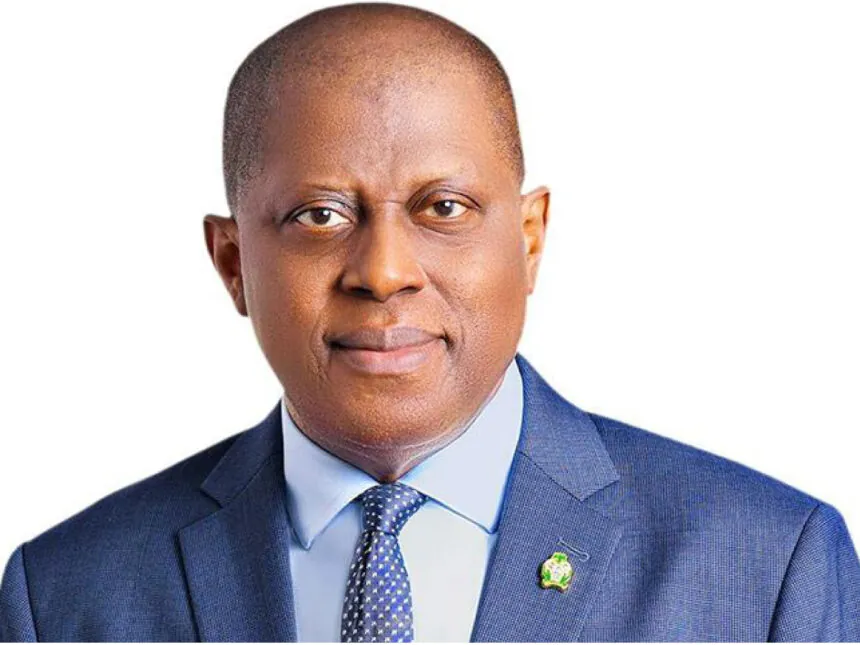
International Monetary Fund has said that Nigeria received about $59 billion in crypto-asset inflows between July 2023 and June 2024.
“It ranked second globally on Chainalysis’s 2024 Global Crypto Adoption Index, and sixth in 2025.
Within sub-Saharan Africa, Nigeria accounts for roughly 60 per cent of stablecoin inflows since 2019. Stablecoins now form a key bridge between crypto markets and the traditional financial system, as detailed in analysis as part of the IMF’s latest annual economic health check for Nigeria (Article IV report, Annex VII
“Nigerian households and small firms are moving money across borders in a new way: via smartphones, digital wallets, and U.S. dollar–pegged crypto assets known as stablecoins.
“What began as a niche technology has become a meaningful cross-border payments channel. Its rapid growth is easing long-standing frictions in cross-border transactions.
“It is also testing the limits of existing monetary and regulatory frameworks.
“The scale is striking, even though measurement remains imperfect.).
“The appeal is straightforward. Stablecoins allow users with a smartphone and internet access to receive remittances or make cross-border payments in minutes, often at lower cost than traditional channels.
“For households and small firms with limited access to formal banking services, this is a practical alternative.
Global drivers help explain the broader uptake. Stablecoins are relatively stable in value, easy to transfer, and widely used as settlement assets within crypto markets.
“They facilitate trading between exchanges and provide a convenient store of liquidity. For remittances, they can undercut conventional channels, where the average cost of sending US$200 to sub-Saharan Africa remains around 9 percent of transaction value, well above the global average of 6 percent, according to the World Bank.
“Domestic conditions have amplified these effects. In 2023 and 2024, the sharp depreciation of the naira, high inflation, and constrained access to foreign exchange increased demand for dollar-linked assets.
“ Stablecoins offered both a hedge against currency risk and a tool for paying overseas suppliers. After the Central Bank of Nigeria (CBN) restricted banks from servicing crypto exchanges in February 2021, activity shifted to less regulated channels, notably peer-to-peer platforms.
“The rise of stablecoins brings clear benefits. Faster, cheaper cross-border payments can support trade, remittances, and financial inclusion. Yet the same features raise policy concerns.
“One is monetary sovereignty. As stablecoins are typically denominated in U.S. dollars, widespread use can resemble a digital form of dollarization. By reducing demand for the local currency, it could weaken the transmission of domestic monetary policy.
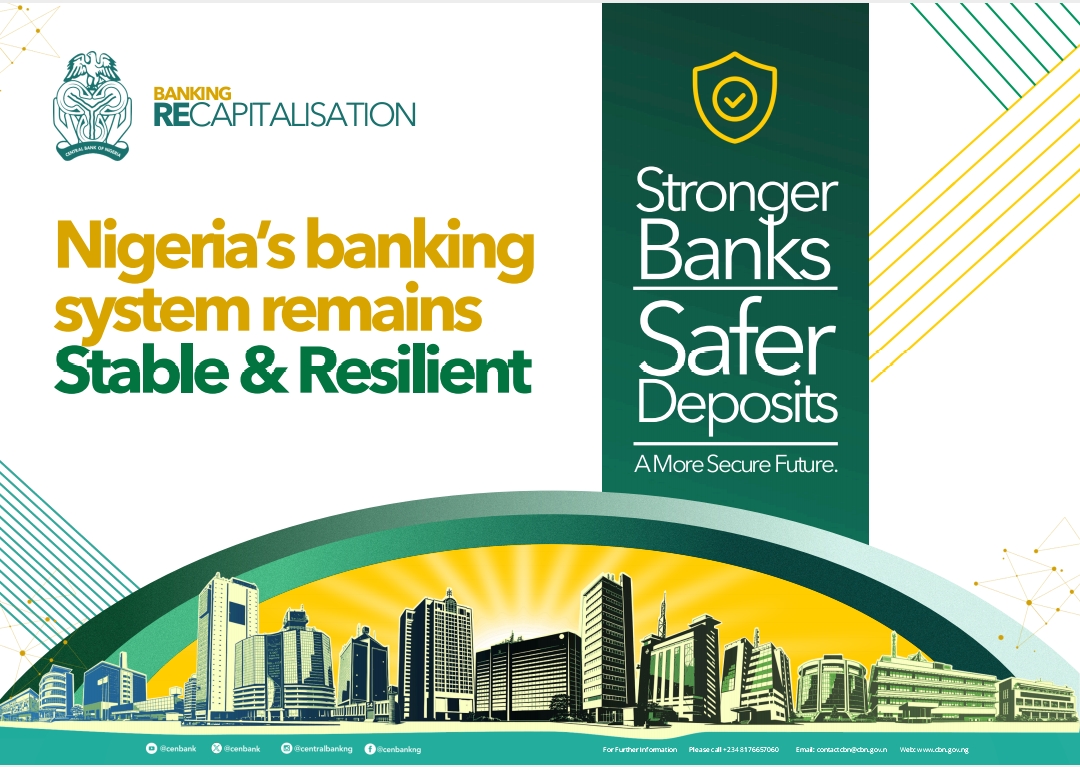
“Another concern is financial integrity. Activity that once flowed through banks is moving increasingly to digital wallets and crypto exchanges. Monitoring systems designed for traditional intermediaries may not capture these transactions effectively.
The speed and anonymity of some platforms can also increase risks of illicit finance, including money laundering.
“These risks are not unique to Nigeria, but the scale of adoption makes them more pronounced.
“Attempts to suppress stablecoin use are likely to be only partly effective. A more durable approach is to allow innovation while managing risks. Here IMF analysis identifies four priorities.
“First, safeguard monetary stability. The most effective defense against digital dollarization is a stable and credible domestic currency. Nigeria’s recent macroeconomic reforms and tighter monetary policy have helped restore confidence in the naira. Sustaining this progress will be critical.
“Second, strengthen oversight. Nigeria has taken steps in this direction, including Nigeria’s Securities and Exchange Commission rules for virtual asset service providers and CBN guidance on their interaction with banks.
“The next step is to clarify the treatment of stablecoin issuers and align domestic rules with emerging international frameworks, such as those in the European Union, Singapore, Hong Kong SAR, Japan, and the United States, while adapting them to local conditions.
“Third, improve data. Policymakers need better visibility on how stablecoins are used, particularly at the interface with the domestic financial system. Combining blockchain analytics with reporting on naira–stablecoin conversions would help regulators identify risks early and respond more effectively.
“Finally, upgrade the payment infrastructure. Much of the demand for stablecoins reflects gaps in existing systems.
Nigeria has made progress through instant domestic payments and participation in regional initiatives such as the Pan-African Payment and Settlement System.
Further investment in faster, cheaper, and more interoperable cross-border systems could reduce reliance on unregulated channels.
“Stablecoins are neither a passing trend nor a complete substitute for traditional finance. They are best seen as a response to persistent frictions in cross-border payments. In Nigeria, those frictions are real, and users have found a workaround.
“The policy challenge is to narrow the gap that made the workaround attractive, while ensuring that new risks remain contained.
That requires a clear strategy: open to innovation but anchored in sound macroeconomic policy and effective regulation.”
-

 News1 day ago
Afreximbank cancels annual meeting on Ebola concerns
-
 Economy1 day ago
Global Economy Endures War Shock So Far–Georgieva
-
 News1 day ago
FG, States, LGs shared N2.26trn as April FAAC allocation
-
 Agriculture1 day ago
AFC backs $7bn Dangote Fertiliser expansion to strengthen Africa’s food security
-

 Economy1 day ago
Manufacturing sector paid N329.59bn to FG as VAT; company income tax net N1.37trn in Q1 2026—NBS
-
 Economy24 hours ago
Nigeria’s inflation rate inches up to 15.93% in May, CPPE attributes rise to impact of geopolitical tensions in the Middle East
-

 News35 minutes ago
Mobile tech to add $290bn to Africa’s economy by 2030— GSMA
-
Uncategorized32 minutes ago
Oil prices fall 4% to three-month low on hopes interim US-Iran deal will reopen Hormuz