
News
GE Vernova powers Africa’s industrialization with integrated energy solutions

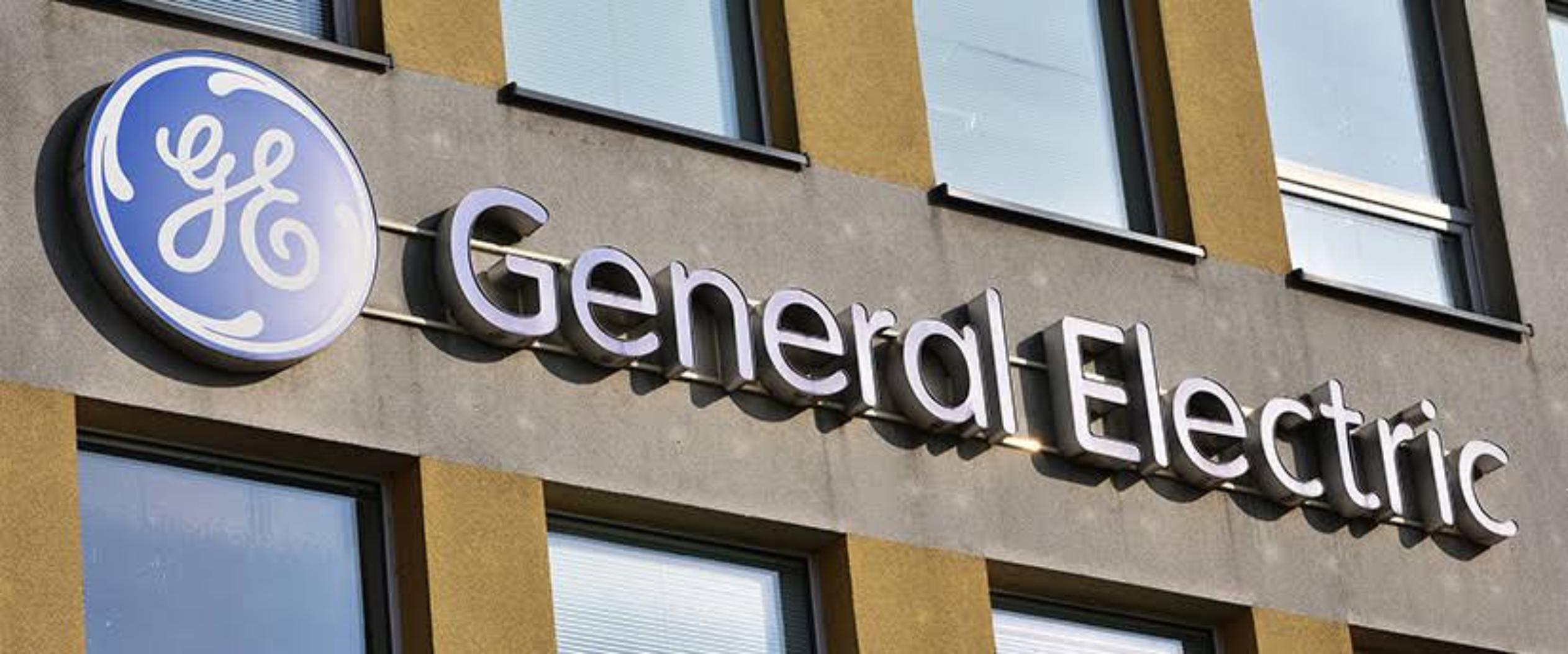
In line with the Africa Energy Forum’s theme, ‘Building Africa’s industrialized Future,’ GE Vernova Inc. (NYSE: GEV) has showcased its comprehensive portfolio of technologies engineered to translate large-scale infrastructure ambitions into operational reality.
Success in this new industrial era requires a holistic approach, one that bridges the gap between power generation and industrial application.
By integrating sustainable energy generation, advanced electrification systems, and digital decarbonization tools, GE Vernova aims to enable African industries to scale with precision, helping ensure that energy remains a reliable, affordable, and sustainable foundation for the continent’s economic transformation.
At the event, GE Vernova is demonstrating how digital intelligence is accelerating the energy transition. In Tunisia, the state utility STEG, identified an opportunity to evaluate GE Vernova’s CERius™, a sophisticated digital platform that integrates artificial intelligence, advanced analytics, and digital twin technology to create a digital framework for emissions management.
By moving from hardware-heavy monitoring to a software-driven digital framework, STEG is gaining real-time, auditable emissions data critical for aligning with international standards – including the EU’s Carbon Border Adjustment Mechanism (CBAM).
Validation at the Sousse B power plant confirmed the effectiveness of this digital approach.
Beyond achieving high consistency in emissions monitoring, STEG anticipates that this software-driven shift will reduce related investment and maintenance costs by up to 50%. By enhancing traceability, this initiative supports Tunisia’s ambitious electricity export strategy to Europe, proving that data-driven decarbonization is a powerful catalyst for regional economic growth.
Alongside digital innovation, GE Vernova emphasized that as the continent accelerates its energy transition, the focus should shift from merely adding capacity to confirming grid infrastructure is inherently stable and resilient.
To support this, the company released a new whitepaper at the event – “Spain’s 2025 Blackout Experience: Grid Firming Needs for Developing Power Systems with High-Renewable Penetration

The paper’s core recommendation is that future grids must be engineered for resilience, not just energy delivery.
To successfully scale renewable energy, African nations are encouraged to prioritize grid stability from the outset, applying lessons learned from the Iberian Peninsula to build power systems that are as reliable as they are sustainable.
By integrating flexible, grid-forming technologies – such as aeroderivative gas turbines, synchronous condensers, and advanced power electronic – and by explicitly valuing grid-support services, Africa can leapfrog traditional infrastructure hurdles.
This approach enables the development of a more reliable and sustainable power system capable of supporting long-term economic growth.
For further strategic guidance on these shifts, GE Vernova’s white paper, “Ensuring Power System Stability in an Evolving Electrical Grid,” maps out the essential path for modernizing power systems.”
“Building Africa’s industrial future starts with getting the fundamentals right: power that is reliable, sustainable, and ready to scale,” said Joseph Anis, President and CEO of GE Vernova’s Gas Power business in Europe, Middle East, and Africa. “A modern, stable grid is the backbone of this vision.
Our goal is to provide a complete toolkit – from the AI that manages decarbonization to the grid technology that keeps the system stable – and to partner with African leaders to make that future a reality.”
Building on over 125 years of collaboration across the continent, GE Vernova continues to support Africa’s energy evolution by delivering comprehensive power generation, transmission, and distribution solutions alongside critical software and community-focused initiatives.
Through this deep-rooted presence, the company is actively fostering the technical self-sufficiency required to power the next generation of industrial growth.
-

 News2 days ago
SpaceX insiders get their first chance to cash out — but the stock’s slide will limit their opportunity
-
 Finance2 days ago
NAICOM revokes Nigeria Reinsurance licence, freezes bank accounts
-
 Economy2 days ago
African free trade agency taps Nigerian firm for $3.1bn customs overhaul project
-

 Finance2 days ago
Nigeria’s plan to tax crypto transactions could undermine adoption–operators
-

 Economy2 days ago
UNCTAD estimates Nigeria’s FDI inflow rose from $1.614bn in 2024 to $4.005bn in 2025
-
 Stock Market2 days ago
NGX extends gains with All-Share Index (advancing by 0.12%
-

 Economy15 hours ago
Africa’s infrastructure guarantees platform plans to double its capital, CEO says
-

 Finance15 hours ago
BOI to raise N250bn through bond offer to finance businesses in key sectors