
Oil and Gas
Nigeria exceeds OPEC oil production quota for third consecutive month

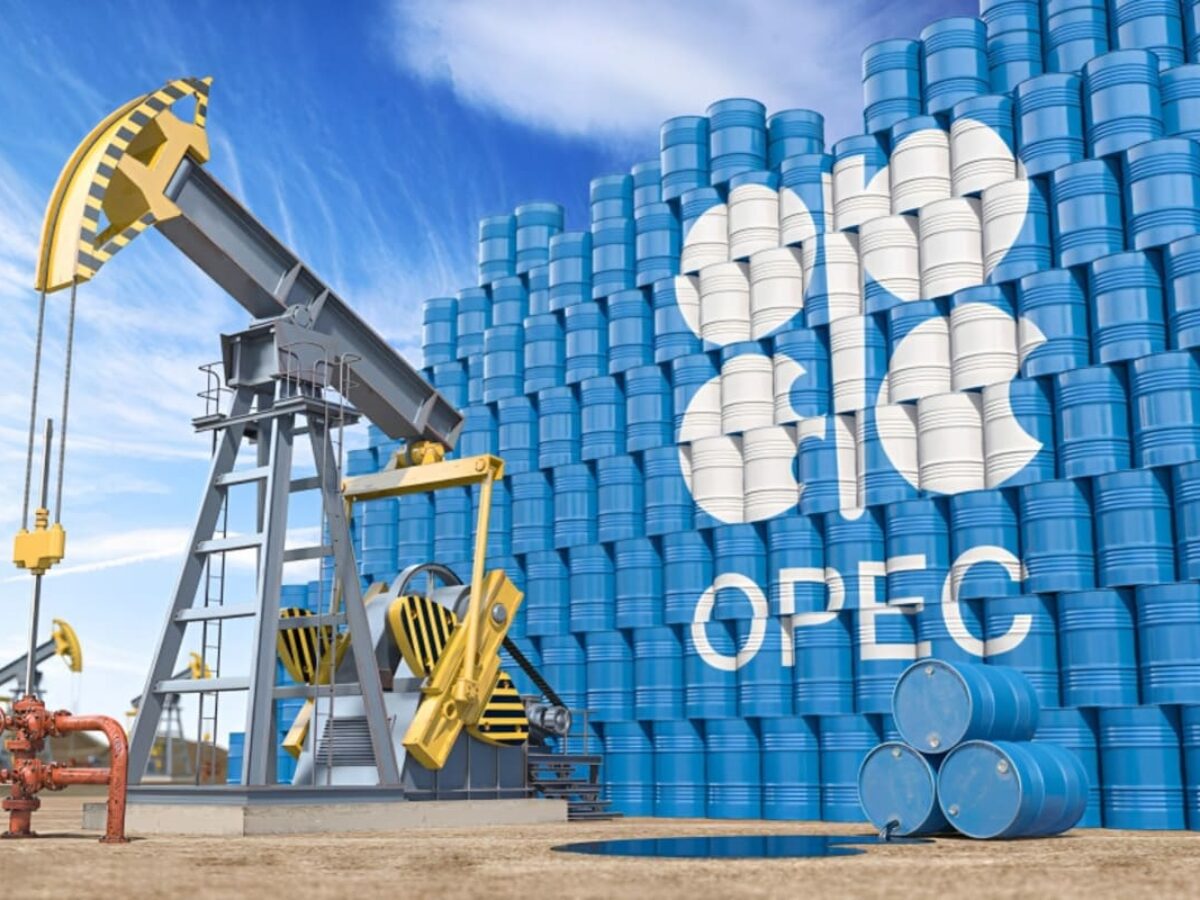
Nigeria exceeded its Organisation of Petroleum Exporting Countries (OPEC) crude oil production quota for the third consecutive month in July 2026.
The Nigerian Upstream Petroleum Regulatory Commission (NUPRC) disclosed this in its July crude oil production statistics released on Wednesday.
According to the commission, Nigeria produced 1.505 million barrels of crude oil daily and 0.17 million barrels of condensate during the month.
The combined daily production stood at 1.67 million barrels per day, exceeding the country’s OPEC quota of 1.5 million barrels daily.
The NUPRC said: “In the month under review, the daily peak production of crude oil and condensate was 1.78mbpd.”
It added that the lowest daily production recorded during the month was 1.57 million barrels per day.
A breakdown of production figures showed that Forcados Terminal remained the highest-producing stream, accounting for 322.34 thousand barrels per day.
Bonny Terminal followed closely with an average daily production of 303.72 thousand barrels of crude oil and condensate.
Qua Iboe Terminal recorded average production of 158.02 thousand barrels daily, while Escravos Oil Terminal posted 131.41 thousand barrels per day.

Bonga ranked as the fifth-largest producing terminal, contributing an average of 100.23 thousand barrels of crude oil daily. In spite of meeting its OPEC target, the commission reported a four per cent month-on-month decline in overall production.
The NUPRC attributed the reduction to operational challenges encountered at the Erha and Akpo oil fields during the review period. The disruptions constrained production volumes and significantly affected national crude oil output.
The commission said production operations across other assets remained relatively stable despite the setbacks.
It said that operators implemented measures aimed at sustaining production efficiency and reducing the effects of operational constraints.
“Routine production activities and crude evacuation operations were largely sustained across the sector,” the report stated.
The commission said industry stakeholders were working to resolve the identified operational issues and restore affected production capacity.
It added that efforts were also focused on strengthening asset reliability to support improved production performance in the coming months.
According to the report, the July performance highlights the importance of proactive asset management and operational resilience. It said timely interventions remained critical to mitigating disruptions and sustaining growth in Nigeria’s upstream petroleum industry.
-

 Economy2 days ago
Nigeria Sovereign Investment Authority announces winners of $275,000 prize for innovation
-

 Finance2 days ago
Airtel Money reports 25% growth in first-half revenue in maiden results
-

 Economy2 days ago
FG targets single-digit inflation by end-2027 to unlock cheaper borrowing— Oyedele
-

 News2 days ago
EFCC arrests 14 Chinese nationals in Nigeria for operating illegal lithium processing plants
-

 Maritime2 days ago
NIMASA, ITF signs MOU on Seafarer wellbeing, MoU First in Africa—ITF
-

 Oil and Gas2 days ago
Honeywell Technologies launches new AI platform at Dangote’s Nigeria refinery
-

 Finance15 hours ago
UBA seeks jail term for WEMPCO directors, intensifies N61bn loan recovery drive
-

 Oil and Gas15 hours ago
Bayelsa suspends oil firm’s land acquisition over fatal community dispute