
News
FG,UN HCR launch Digital Gateway to expand services for displaced persons

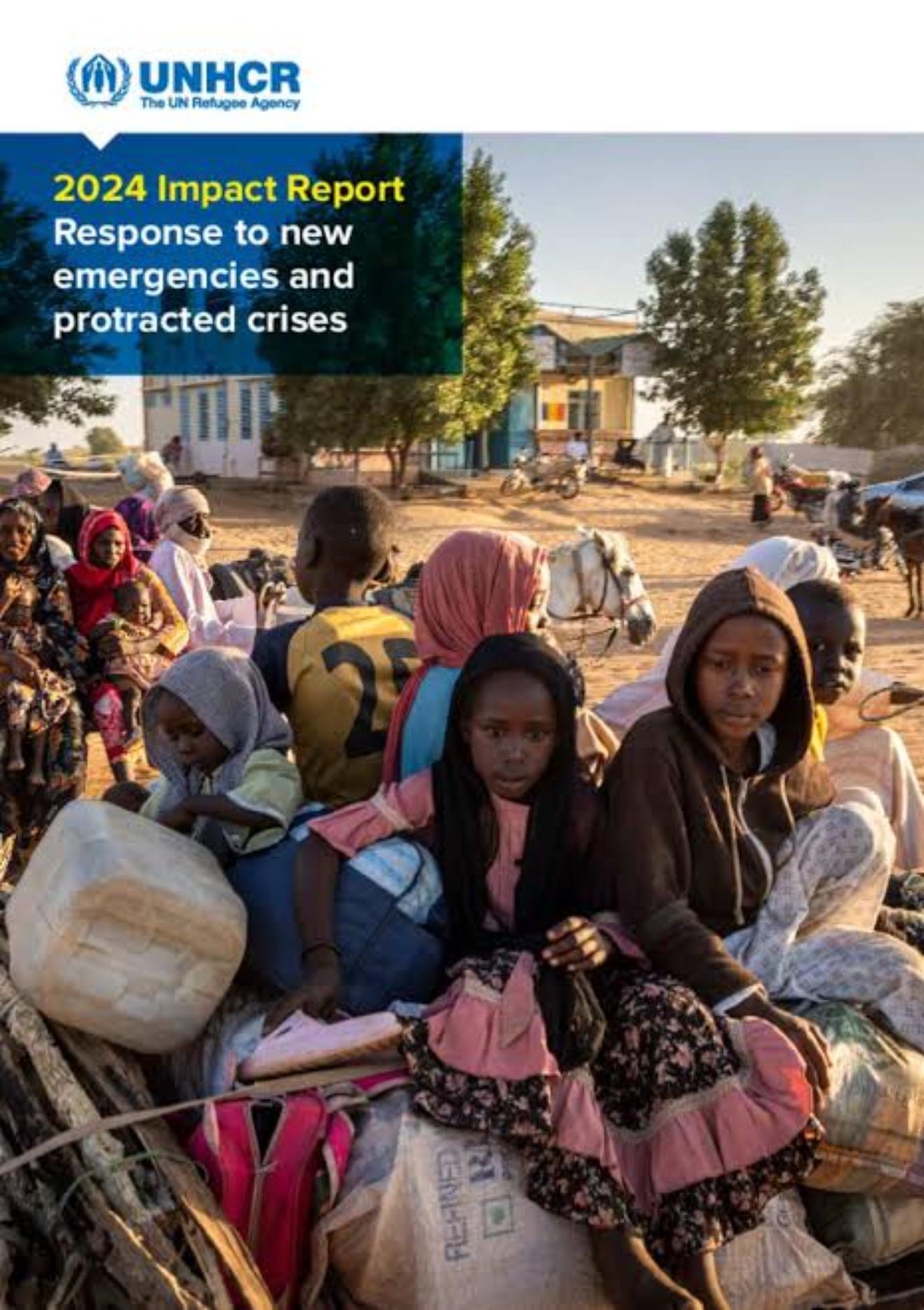
Federal Government of Nigeria and the United Nations High Commissioner for Refugees (UNHCR) have launched a digital platform to simplify registration and improve access to information and support services for refugees, asylum-seekers and stateless persons in the country.
The development was disclosed on Monday in a statement by UNHCR, which said the platform, known as the Digital Gateway, provides a single online entry point for displaced persons to access registration services and manage appointments.
The initiative is expected to reduce the need for physical visits to registration offices, streamline administrative processes and improve service delivery amid Nigeria’s growing displacement crisis and limited humanitarian resources.
The launch marks the first time UNHCR has introduced the Digital Gateway in partnership with government counterparts, with the National Commission for Refugees, Migrants and Internally Displaced Persons (NCFRMI) serving as its Nigerian government partner.
The platform is already operational in seven countries: India, Indonesia, Malaysia, Pakistan, Thailand, Iraq and Egypt. Nigeria and Rwanda are the first African countries selected for its rollout.
In Nigeria, implementation will begin in Abuja before gradually expanding to other locations across the country. Nigeria hosts one of Africa’s largest displacement crises, with close to 3.81 million people forcibly displaced as of September 1, 2026, according to UNHCR.
The figure includes approximately 3.68 million internally displaced persons affected by insurgency in the North-East, as well as farmer-herder violence and banditry in other parts of the country.
Over 140,000 refugees and asylum-seekers are also in Nigeria, most of them from neighbouring Cameroon. Against this backdrop, the Digital Gateway is designed to ease access to registration and support services while helping government agencies and humanitarian organisations manage growing administrative demands.
The platform combines online self-service tools with multiple communication channels, allowing refugees and asylum-seekers to access selected services without necessarily visiting UNHCR or government offices.
-

 News2 days ago
Truecaller blocks entire scam networks at Once, one scam number is all it takes
-
 Finance2 days ago
Afreximbank targets €240bn factoring market to tackle Africa’s $300bn SME financing gap
-

 Oil and Gas17 hours ago
Oil rebounds from three-month lows on Hormuz threat
-

 Economy17 hours ago
President Tinubu seeks National Assembly approval to trim 2026 budget spending
-

 Finance17 hours ago
CBN Monetary Policy Committee keeps monetary policy rate at 23%
-
Economy2 days ago
FG borrowed above full-year domestic borrowing target in 9 months as coys struggle to survive high interest rate
-

 News18 hours ago
U.S. moves to seize $1bn in crypto assets stolen from Binance
-

 News17 hours ago
Court freezes N135bn linked to governors’ forum, restrains 29 banks over Paris Club refunds