Uncategorized
AfDB proposes critical minerals-backed currency plan as new ‘gold standard’
Africa’s development bank is proposing a new ‘gold standard’ style currency arrangement backed by critical minerals such as cobalt, copper, lithium, manganese and some of the ‘rare earths’ key to the world’s energy transition and electric vehicles. The 54-nation region, which has about 30 per cent of the world’s critical minerals reserves, attracts only 3 per cent of global energy investments each year and only 2 per cent, or $40 billion, of worldwide green investments last year, the African Development Bank said. This is partly as a result of the continent’s volatile currency markets, said the AfDB, which is proposing a new “non circulating” currency called African Units of Account (AUA) which would be underpinned by critical mineral reserves.
Africa itself needs to double its clean energy investments to an average of $200 billion a year to both cut carbon emissions and boost vital electricity production. Under the AfDB plan, countries would pool a pre-agreed amount of their proven critical mineral reserves and local currencies could then be converted at an agreed rate. “The idea borrows from the Gold Standard that anchored global currency stability,” the AfDB said in a new report, without giving a timeline for introducing the currency.
The Abidjan-based development bank first floated the idea last year, but this is the first time it has laid out details. “It further builds on the CFA-Euro peg in Francophone countries, which is backed by a pledge of external reserves,” the AfDB said, adding that a basket of critical commodities would hold its value “better than any African currency”.
The video player is currently playing an ad. You can skip the ad in 5 sec with a mouse or keyboard. There have been moves by emerging market countries to find ways of navigating the risks posed by their dependence on the dollar for trade and other transactions. U.S. President Donald Trump threatened on Thursday to impose 100 per cent tariffs against BRICS nations if they moved to replace the dollar as their reserve currency. The AfDB argued that the proposed new currency could help African governments attract international money into green energy projects as it would “mitigate the currency and convertibility risks”. Revenues generated by the sale of electricity in local currencies would be paid to a designated settlement agent, which will then sell the equivalent amount of minerals to generate dollars to pay off any lenders into energy development projects.
Uncategorized
Customs seizes multi million-naira petroleum products in Adamawa
The Nigeria Customs Service under ‘Operation Whirlwind’ has seized petroleum products worth N181.6 million in eight weeks between the Nigeria and Cameroon borders.
ACG Kolapo Oladeji, national coordinator of Operation Whirlwind, disclosed this at a news conference on Thursday in Yola. Mr Oladeji said the seizures were made across various smuggling flashpoints in Adamawa in 55 separate operations.
“This operation is geared towards energy and food security to foster economic growth in line with the core mandates of the President of the Federal Republic of Nigeria, Bola Tinubu. In line with these mandates, the Operation Whirlwind Zone ‘D’ had repositioned all its machinery across the area of its responsibilities and ensured that the border became airtight,” he said.
He warned the smugglers to stop such acts and solicited the continued support and cooperation of all stakeholders in the state’s socioeconomic development. “We will ensure that the supply chains of these economic wreckers are truncated in accordance with enabling laws. This fight has no doubt helped in transforming the nation’s economy and strengthening the security of our borders,” he said.
He further said that the seized petroleum products would be auctioned to the public. Abidemi Adewumi-Aluko, assistant legal adviser of the attorney general of the federation, described the auction as a symbol of reclaiming resources to ensure that the benefit of petroleum remained in Nigeria. She said that such offences attracted life imprisonment because they threatened national security. NAN
Uncategorized
Chevron to join Nigeria oil licence auction, plans rig deployment in 2026
Chevron said on Friday it will participate in Nigeria’s next oil licensing round and plans to deploy a drilling rig in late 2026 as it seeks to expand operations in Africa’s top energy producer.
Jim Swartz, chairman and managing director of Chevron Nigeria/Mid-Africa Business Unit, said the company aims to grow its footprint in Nigeria, citing improved regulatory clarity under the Petroleum Industry Act, PIA.
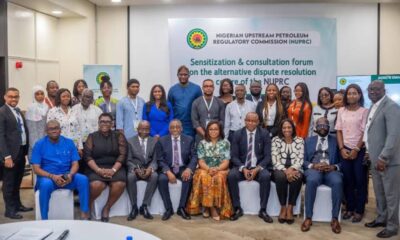
“We will participate in the next licensing round. Our intention is to continue to grow in Nigeria,” Swartz told reporters after meeting the upstream regulator. Nigeria’s licensing rounds are part of efforts to attract investment and boost output after years of underinvestment. The 2025 round will offer 50 fields through a digital platform, the Nigerian Upstream Petroleum Regulatory Commission (NUPRC) said. TotalEnergies has also expressed interest in joining an auction.
Chevron recently agreed to acquire a 40% stake in two offshore exploration licences, PPL 2000 and PPL 2001, from TotalEnergies and is seeking regulatory approval to accelerate development.
Swartz said it plans to bring in a rig in late 2026 to drill a newly discovered resource near Agbami and extend leases on existing assets. Swartz added that Chevron had recorded no oil theft or sabotage in the past year, the longest period without disruptions in its Nigerian operations, a sign of improved security in the sector. Reuters
Uncategorized
Don’t patronise touts, immigration personnel available 24/7—CGIS
Comptroller General of the Nigeria Immigration Service NIS, Kemi Nandap, on Friday urged Nigerians to shun touts and middlemen when applying for passports or other immigration services, insisting that the Service operates round-the-clock channels to assist citizens directly and transparently.
Nandap made the call in Abuja while delivering the keynote address at the fourth-quarter Nationwide Sensitization Campaign against corruption and for improved service delivery.
The campaign, themed “Innovating for Transparency and Efficiency: Strengthening Service Delivery and Combating Corruption Through Reforms,” highlights the NIS’ ongoing efforts to modernize its operations and eliminate corrupt practices.
Addressing participants, the Immigration chief said the era of relying on agents or informal handlers should be over, as the Service has put in place fully digital, citizen-focused systems that allow applicants initiate and track their processes from the comfort of their homes.
She stressed that the NIS has functional 24-hour call lines, an active call centre, constantly monitored emails and social-media channels, all designed to ensure citizens are attended to promptly and without intermediaries.
“You don’t have to go to a tout, you don’t have to go to an agent. You can sit in the comfort of your home and apply for most of our facilities. Once you avoid putting yourself at the mercy of someone, you stay in control of your application and can always reach us at any time”, she stated.
Nandap noted that recent reforms, including automated passport application processes, biometric-based verification, expanded digital architecture and streamlined service-centre operations, have significantly reduced delays, improved transparency and minimised opportunities for extortion.
She explained that passport processing timelines have improved across multiple commands following the rollout of automated scheduling and digital communication platforms.
The Comptroller General also emphasized that transparency remains the foundation of effective immigration management.
She highlighted enhanced internal audits, stricter enforcement of ethical codes and redesigned workflows as key elements of the NIS’ anti-corruption strategy.
With digital payments and automated checkpoints reducing cash interactions, she said the Service is committed to stamping out malpractice at all levels.
Nandap further disclosed that the NIS has deepened collaboration with sister agencies, civil-society groups, international partners and the diplomatic community to align operations with global border-management standards.
These partnerships, she said, are helping to harmonise processes, promote accountability and support ongoing reforms.
She appealed to citizens to familiarise themselves with official procedures, follow approved channels and use the Service’s feedback platforms—including suggestion boxes, hotlines and online desks—to report challenges or offer recommendations. “We are here for Nigerians. Tell us how to serve you better,” she said.
The Immigration CG also paid tribute to officers who lost their lives in the line of duty in Mogolu, Tuga, Tula and Niger State, calling their deaths a painful reminder of the risks faced daily by immigration personnel.
She urged Nigerians and officers alike to embrace positive change, adding that sustainable reform depends on individual commitment and collective responsibility. “The change we want starts with each and every one of us,” she said.
-
News3 days agoNigeria to officially tag Kidnapping as Act of Terrorism as bill passes 2nd reading in Senate
-
News3 days agoNigeria champions African-Arab trade to boost agribusiness, industrial growth
-
News3 days agoFG’s plan to tax digital currencies may push traders to into underground financing—stakeholders
-
Finance1 week agoAfreximbank successfully closed its second Samurai Bond transactions, raising JPY 81.8bn or $527m
-
Economy3 days agoMAN cries out some operators at FTZs abusing system to detriment of local manufacturers
-
News1 week agoFG launches fresh offensive against Trans-border crimes, irregular migration, ECOWAS biometric identity Card
-
News3 days agoEU to support Nigeria’s war against insecurity
-
Uncategorized3 days agoDeveloping Countries’ Debt Outflows Hit 50-Year High During 2022-2024—WBG