
Maritime
Aquatic life restored in Ogoni creeks—FG

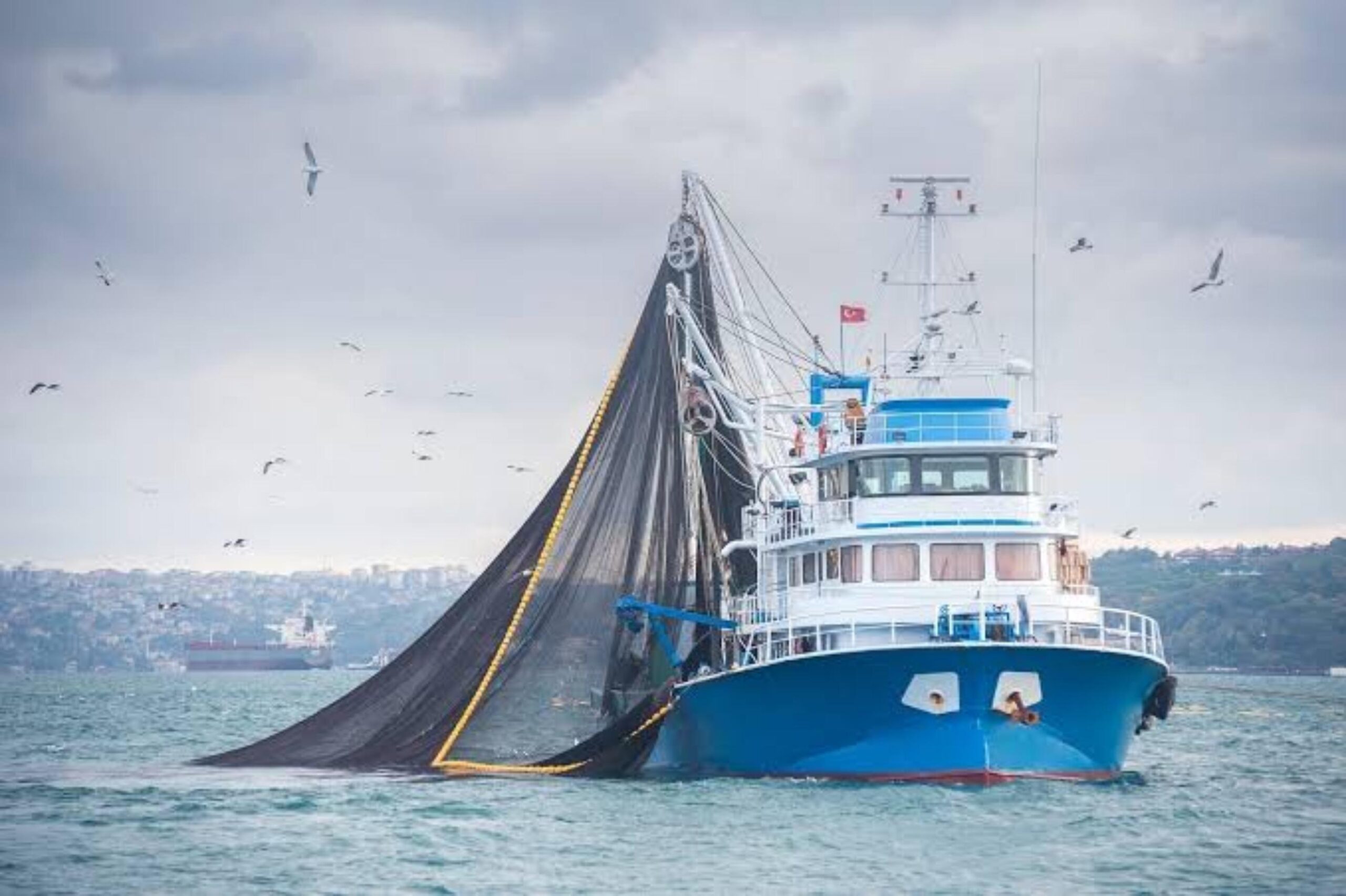
Federal Government has said that aquatic and the ecosystem have been fully recovered most creeks in Ogoni ethnic nationality. This was as the federal government unveiled the second phase of restoration of shoreline cleanup and mangrove restoration in Ogoni in the ongoing cleanup of the area.
The government also reaffirmed its commitment to the full environmental restoration of Ogoniland, declaring that the remediation project remained a top national priority under the administration of President Bola Tinubu.
The Minister of Environment, Mr. Balarabe Lawal, stated this in Bodo City, Gokana Local Government Area of Rivers State, during the 10th anniversary of the Ogoni Cleanup project and the official unveiling of the Ogoni Cleanup Monument.
Lawal said the newly unveiled monument serves as a permanent symbol that the government has fulfilled its pledge and has not abandoned the Ogoni people.
He said “Ten years ago in this very place, the flag-off of the Ogoni cleanup took place. Today, we return to affirm that commitment. The monument stands as a permanent reminder of a promise made and a promise kept.”
Lawal said that President Tinubu issued a direct marching order upon his assumption of office to ensure the project’s speedy conclusion, adding that the ongoing operations under the Hydrocarbon Pollution Remediation Project, HYPREP, reflect the resolve.
The minister pointed to physical infrastructural developments in the area, including the Centre of Excellence for Environmental Restoration, a specialist hospital, a cottage hospital, and the Ogoni Power Project.
Beyond physical structures, the minister emphasized that significant progress has been recorded in soil and groundwater remediation, mangrove restoration, public health interventions, and the provision of potable water.

He emphasized the return of marine life to local waterways as evidence of ecosystem recovery.
He said “One of the most important developments is the evidence of ecosystem recovery. The fish, periwinkles, crabs, and shrimps are back. This is vital for the local economy and community livelihoods.”
However, announcing the transition into the next phase of the project, the Minister of Environment noted that simple and medium-impact remediation sites have been completed, paving the way for work on complex sites alongside the second phase of soreline cleanup.
The Project Coordinator, HYPREP, Prof. Nenibari Zabbey, described the Ogoni cleanup as the world’s largest oil remediation project and its mangrove restoration as the largest restoration of oil-degraded mangroves globally.
He said “Ten years is a significant milestone, offering all stakeholders an opportunity to reflect on where we started, where we are today, and where we are going.”
He said that as part of the Phase II shoreline cleanup flag-off, HYPREP presented International Maritime Organization (IMO) and Swim Test Certificates to 1,420 community workers, bringing the total number of direct jobs created for Ogoni youth and women to over 8,500.
Zabbey, however, appealed to shoreline communities to guard against overharvesting returning aquatic life and indiscriminate cutting of mangroves, warning that controlled harvesting is necessary to sustain ecological gains.
He also acknowledged that while HYPREP has faced challenges such as community disputes, access issues, and misinformation, stakeholder cooperation has helped overcome many obstacles.
-
 News29 minutes ago
NTDA, China partner to attract more Chinese tourists to Nigeria
-

 News27 minutes ago
BRICS pushes local currency trade to cut transaction costs
-
 Finance23 minutes ago
PAPSS) targets accelerated adoption, transaction growth as network expands across Africa
-
 Finance20 minutes ago
Subscribe to Dangote Refinery shares through Zenith Bank
-
 News15 minutes ago
AD Consulting, Ecobank bring Nigeria’s art, architecture icons together in “The Convergence”