
Economy
CBN imposes N14bn on FCMB, N386bn on Gtbank, Citibank, Standard Chartered, FBN, 6 others for failing to meet loan deadline

FCMB has said that it was charged N14 billion for failing to meet the central bank’s minimum loan-to-deposit ratio requirement by a September deadline, the bank told Reuters.The bank’s spokesman said the bank had reported loan growth in September and it expected to keep the momentum with a focus on asset quality. In the same vein the CBN has sanctioned 11 other banks with a a total of more than N386 billion for failing to meet its minimum loan-to-deposit ratio requirement by a September deadline, three banking sources and one of the banks said.
The central bank has been seeking to boost credit to businesses and consumers after a recent recession in Africa’s biggest economy, but lending has yet to pick up. With growth slow, banks prefer to park cash in risk-free government securities rather than lend to companies and consumers.
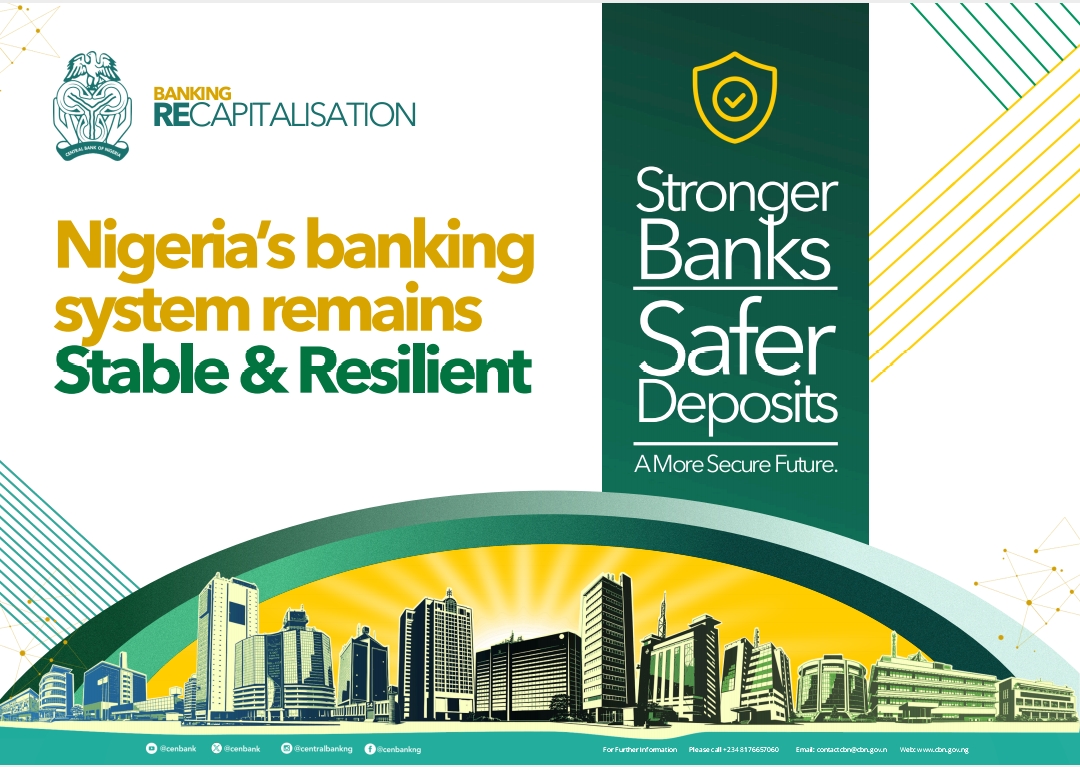
Nigeria’s economy is expected to pick up in 2019 with gross domestic product expanding close to 3 per cent, up from 1.9 per cent last year, according to the central bank. In July, the central bank asked lenders to maintain a ratio of lending out at least 60 per cent of deposits by September or face a higher cash reserve requirement as part of measures aimed at getting credit flowing.
Bank chief executives plan to meet with the banking regulator in Abuja on Thursday to discuss the charges, the sources said. The local units of Citibank and Standard Chartered Bank are among those affected, the sources said. Other include top tier Nigerian banks Guaranty Trust Bank, First Bank and United Bank for Africa. Nigerian Banks have done little to expand borrowing in Nigeria, blaming a weak economy after a 2014 oil price crash and a currency crisis that made loans go sour. Analysts fear growing credit quickly could weaken asset quality and capital buffers. The central bank has said loans rose 5.3% in the three months to the end of September to 16.40 trillion naira, due the new minimum requirement and increased the lending ratio target in what it said was a move to sustain the momentum. In the last few months, the regulator has also capped interest-bearing deposits at the central bank and barred banks from buying treasury bills for their own accounts at an open market auction, to boost lending.
-

 Business8 hours ago
Rising trade surplus can boost industrialisation, attract investment- ACCI D-G
-

 Economy8 hours ago
Nigeria, US sign agreement to boost mining investment
-
 Finance1 day ago
AFC supports successful close of ₦729bn series 2 Bonds to advance Nigeria’s power sector reforms
-

 Agriculture8 hours ago
FG, IFAD-VCDP hail Anambra farmers for turning cassava, rice into marketable products
-

 Finance1 day ago
94.2m Nigerians use financial products, formal inclusion hits 73% — EFInA
-

 News1 day ago
Nigeria ranks bottom in Africa as only 12% approve of electricity performance—Report
-

 News1 day ago
Finance minister seeks affordable capital to bridge Africa’s infrastructure gap
-

 Economy8 hours ago
Nigeria’s $1trn economy, stakeholders seek interstate collaboration