
Oil and Gas
Crude oil prices rises to $109.95 a barrel after Iran threatens to attack Middle East energy facilities

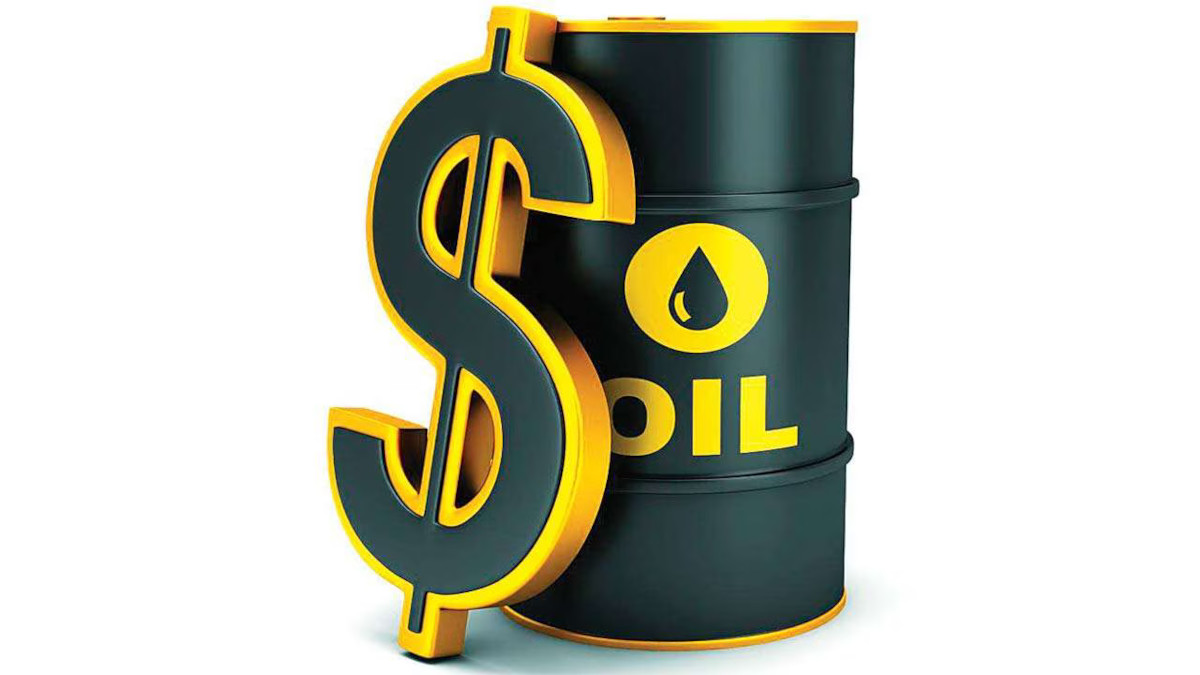
Oil prices rose more than 5% on Wednesday after Iran’s Revolutionary Guards threatened to attack several energy facilities across the Middle East in retaliation, heightening the risk of further disruptions to energy supplies in the region.
Brent futures rose $5.26, or 5% to $108.66 a barrel on Wednesday, having risen to as high as $109.95 earlier in the session, while U.S. West Texas Intermediate crude gained $2.44, or 2.54%, to $98.65. WTI also hit its widest discount to Brent since May 2019 on fears of a protracted conflict.
Iran’s huge Pars gas field was hit on Wednesday in the first reported strikes on Iranian energy infrastructure in the Gulf during the U. S.-Israeli, a major escalation that prompted Tehran to warn its neighbours that their energy installations would be targeted “in the coming hours”.
“The attacks on Iran’s South Pars field were boosting oil and gas prices, and any further escalations of attacks to energy infrastructure would continue to raise prices”, SEB analyst Ole Hvalbye said.
The U.S.-Israeli war on Iran and Tehran’s attacks on Gulf neighbours have disrupted oil and natural gas exports from the Middle East and forced production stoppages.
Fighting has halted shipments via the world’s most important oil artery, the Strait of Hormuz, which handles 20% of global oil and LNG supply. Total oil output cuts in the Middle East are estimated at 7 million to 10 million barrels per day or 7% to 10% of global demand.
To offer some relief to skyrocketing prices, the Trump administration announced on Wednesday a 60-day waiver of the Jones Act shipping law, temporarily allowing foreign-flagged vessels to move fuel, fertilizer and other goods between U.S. ports as soaring energy and agricultural prices strain supply chains amid the ongoing conflict in and around Iran.
The United States also issued a general license authorizing certain deals involving Venezuela’s state oil company PDVSA, the U.S. Treasury Department said on Wednesday.

In Iraq, North Oil Company sources said exports had resumed via pipeline after Baghdad and the Kurdistan Regional Government agreed on Tuesday to restart flows.
Two oil officials said last week Iraq was seeking to pump at least 100,000 bpd through the port. “Despite this development, supply relief remains limited, with Iraq’s production at roughly one-third of pre-crisis levels and tanker traffic through (the Strait of) Hormuz still largely restricted,” MUFG analyst Soojin Kim said.
The U.S. military said on Tuesday it had targeted sites along Iran’s coastline near the Strait of Hormuz because Iranian anti-ship missiles posed a risk to international shipping there.
Iran confirmed Tuesday that its security chief Ali Larijani had been killed in an Israeli attack. Larijani’s death and the U.S. military’s strikes on Iranian coastal positions near the strait raised some hopes the conflict could end sooner, said Mingyu Gao, chief researcher for energy and chemicals at China Futures.
Meanwhile, Libya’s National Oil Corporation said early on Wednesday that flows from the Sharara oilfield were being gradually redirected through alternative pipelines after a fire broke out.
In the United States, crude stocks rose while gasoline and distillate inventories fell last week, the Energy Information Administration said.
Crude inventories rose by 6.2 million barrels to 449.3 million barrels in the week ended March 13, the EIA said on Wednesday, compared with analysts’ expectations in a Reuters poll for a 383,000-barrel rise.
-

 Economy1 day ago
72% of world trade still operates under WTO— Okonjo-Iweala
-

 News1 day ago
Northeast Development Commission distributes 10,000 e-vehicles to beneficiaries
-

 News1 day ago
Wike seeks N400bn to complete Abuja millennium tower
-

 News1 day ago
Subsidy savings spent on debt servicing, higher spending—Oyedele
-

 Oil and Gas1 day ago
Olugboboro community expresses worry over Oando Plc’s decision to halt reclamation project
-
 Economy2 hours ago
FG rolls out plan to strengthen power supply
-

 News2 hours ago
US bans imports from 43 more companies over China’s alleged forced labour
-
 News2 hours ago
Ban on sale of sachet alcoholic drinks remains—NAFDAC