
Uncategorized
ECB to stay on hold through end of 2026 on expected stable economic outlook— Reuters poll

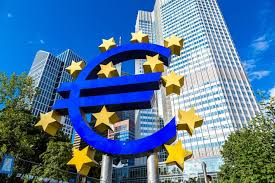
European Central Bank will leave interest rates unchanged on December 18 and keep them there through next year, according to a majority of economists polled by Reuters, as inflation is expected to stay subdued and the economy resilient.
Euro zone inflation rose to 2.2% in November from 2.1% in October, but has remained well-anchored around the ECB’s 2% goal so far this year. The economy also grew close to 1.5% on average in the past two quarters, suggesting the central bank has no urgent reason to adjust policy rates.
ECB Governing Council members who have spoken recently have supported that view, with no moves in sight for the near term.
The ECB reduced its key interest rates by two percentage points in the year to June and has held rates steady since then. All 96 economists in the December 5-10 Reuters poll said the ECB will hold the deposit rate at 2% next week.
About 80% of economists said rates would remain unchanged through mid-2026. Nearly 75% held that view until the end of 2026, up from around two-thirds in last month’s survey.
“The economy has been more resilient than what we had expected … and if you look at inflation, I think they (ECB) don’t really have a reason to adjust rates in December or in the next few meetings as we’re roughly at target,” said Bas van Geffen, senior macro strategist at Rabobank.
ECB President Christine Lagarde said on Wednesday the economy’s unexpected resilience to uncertainty and trade tensions may lead the central bank to lift its growth projections again in December, but added that monetary policy was in a “good place.”
With both growth and inflation data surprising on the upside, interest rate futures have almost completely priced out any expectation of further policy easing at least until mid-2026.
Inflation, at 2.2%, is expected to dip to 2.1% this quarter and 1.7% in the first quarter of 2026, below the ECB’s 2% target through 2026, according to the median view of economists in the poll.
Many say low inflation could mean the central bank’s next move could still be a cut, not a hike.
A majority of the same economists in an October survey said the euro zone economy was more likely to grow slower than they expected over the coming year than faster.
“Clear downside risks to growth remain, given some loosening in the labor market and the potential for Germany’s stimulus to disappoint,” noted Fabio Balboni, senior European economist at HSBC.
“With inflation expected to undershoot the target … our base case remains for rates to be on hold throughout next year, but see the risk of cuts in 2026 – probably at least two if the rate-cutting cycle is resumed – as significantly higher than for hikes.”
Growth was expected to average 1.4% this year and 1.1% in 2026, the poll showed.
-

 News2 days ago
Binance seeks out-of-court settlement with Nigeria over alleged tax evasion
-

 Oil and Gas24 hours ago
NUPRC vows not to approve divestments that doesn’t meet considerations
-

 Oil and Gas24 hours ago
Iran eases Strait of Hormuz transit rules amid oil shock
-

 Finance24 hours ago
Cardoso seeks collaboration to check cross‑border financial risks
-

 Stock Market2 days ago
NGX market capitalisation settle at N128.84tn, cuts Zichis Agro-Allied share price by 50%
-

 News2 days ago
Power crisis blamed on gas shortages, sector debts
-

 News2 days ago
FG shortlists 65 student innovators for venture capital grant
-

 Economy2 days ago
FG urges PenCom board on governance, protection of pension assets