
News
ECOWAS to scrap regional air taxes, paving way for cheaper flights from January 2026

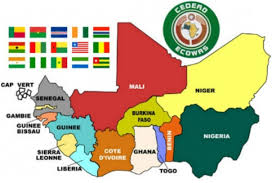
The Economic Community of West African States has adopted a new policy to scrap air transport taxes among member states and lower miscellaneous aviation charges, a move expected to drastically reduce regional flight costs next year.
Effective January 2026, air travel costs within West African nations such as Nigeria, Benin, Burkina Faso, Cabo Verde, Côte d’Ivoire, The Gambia, Ghana, Guinea, Guinea-Bissau, Liberia, Mali, Niger, Nigeria, Senegal, Sierra Leone, and Togo will be significantly reduced.
“From 1 January 2026, all ECOWAS member states will abolish air transport taxes and reduce passenger and security charges by 25 per cent, in line with a Supplementary Act on Aviation Charges, Taxes, and Fees,” ECOWAS said in a statement.
The bloc on Wednesday announced that the policy was adopted in December 2024 but finalised the modalities for its implementation for January 2026, with the hope of attracting more tourists and easing trade between member states.
“Implementation of the reform will be monitored by the ECOWAS Commission through a Regional Air Transport Economic Oversight Mechanism, with the expected outcome of lower airfares, increased passenger traffic, stronger regional airlines, and deeper regional integration,” said the statement.
A one-way ticket from Abuja, Nigeria, to Accra costs about N550,000. It is unclear how much ECOWAS policy will bring down prices. The Economic Community of West African States has approved major changes aimed at reducing the high cost of flying within the region.
In a press statement on Wednesday, the Commission said Heads of State and Government had, at their December 2024 Summit in Abuja, adopted a measure that will remove taxes applied to air transport and reduce passenger and security charges by 25 percent from January 1, 2026.
ECOWAS said the move followed years of slow growth in the region’s aviation sector due to excessive taxes, charges and fees that limit travel demand and weaken investment in airport infrastructure. It said that studies by ECOWAS, the African Union, AFRAA and IATA show West Africa remains one of the most expensive regions to fly, with passengers sometimes paying up to 66 separate charges while airlines face more than 100 fees.
The Commission warned that the high cost of air travel discourages movement, slows tourism, affects trade and undermines its free movement agenda. According to the statement, adopting the Supplementary Act on Aviation Charges, Taxes and Fees will help tackle these structural issues and align the region with international aviation standards. The reform is expected to bring benefits such as lower ticket prices, increased passenger traffic, stronger airlines, better airport activity and more economic opportunities for communities.
ECOWAS said Member States must amend their national laws and policies to ensure full implementation, while airlines are expected to pass on the reductions to travellers. It added that the Commission will track compliance through a new Regional Air Transport Economic Oversight Mechanism and support other initiatives such as joint maintenance facilities and harmonised safety standards.
The organisation said the changes would also deepen regional integration by making air travel more affordable for families, businesses and communities across West Africa. The statement reads in parts, “The Heads of State and Government of the Economic Community of West African States (ECOWAS), at their Summit held in December 2024 in Abuja, adopted a landmark measure aimed at lowering the cost of air travel across the region.
“From 1 January 2026, all ECOWAS Member States will remove taxes applied to air transport and reduce passenger and security charges by 25 percent. This decision comes against the backdrop of years of stunted growth in the region’s air transport sector, largely due to excessive taxes, charges and, in some instances, fees, which together suppress travel demand. This situation has limited governments’ ability to mobilise adequate revenue for investment in airport infrastructure and services, thereby reducing the sector’s attractiveness as a driver of economic
development.
“The new policy aligns with the principles of the International Civil Aviation Organization (ICAO) and the Chicago Convention, which promote fair, transparent and non-discriminatory aviation practices worldwide. It is also designed to enhance the competitiveness of West African airlines, strengthen airports and stimulate investment in aviation infrastructure.
“The expected benefits of the reform are substantial. Ticket prices could fall by as much as 40 percent, making air travel accessible to a broader segment of the population. Airlines are expected to carry more passengers, while airports and surrounding communities will benefit from increased traffic and economic activity. Tourism and business travel are projected to expand, while governments are expected, in the long term, to generate increased revenue from a stronger and more dynamic air transport sector.
-

 Oil and Gas1 day ago
NUPRC vows not to approve divestments that doesn’t meet considerations
-

 Oil and Gas1 day ago
Iran eases Strait of Hormuz transit rules amid oil shock
-

 Finance1 day ago
Cardoso seeks collaboration to check cross‑border financial risks
-

 Oil and Gas1 day ago
Court orders forfeiture of $13m linked to Aisha Achimugu’s firm
-

 Oil and Gas1 day ago
Oil falls as reports of 15-point proposal spurs ceasefire hopes
-

 Economy1 day ago
Nigeria to launch trade platform at ports as part of reform push
-

 Finance1 day ago
Court nullifies CBN’s regulatory intervention in Union Bank in 2024, rules it acted beyond its powers