
Stock Market
NGX Group hails Nigeria’s return to frontier market status

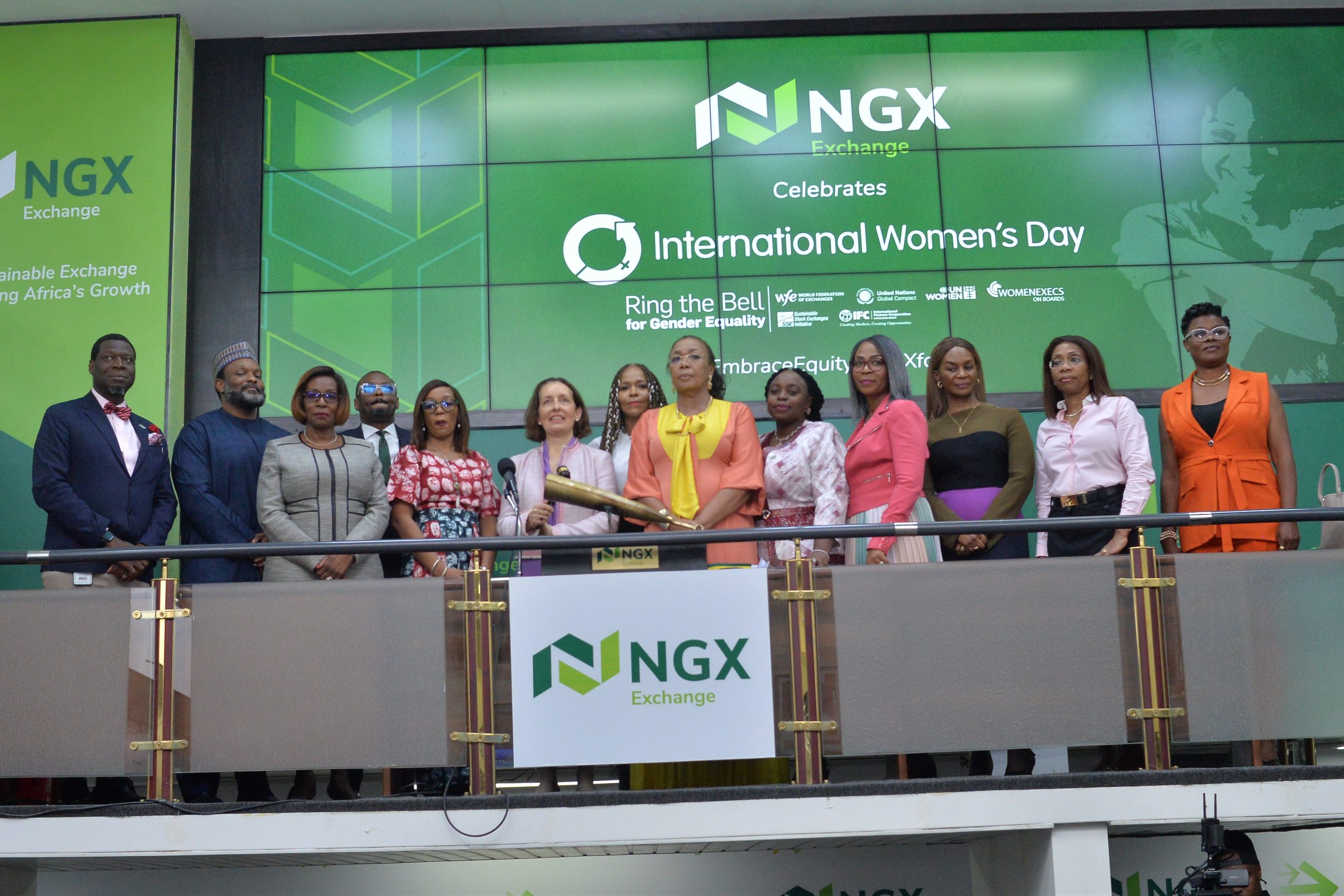
Nigerian Exchange Group (NGX Group) says FTSE Russell’s confirmation of Nigeria’s reclassification to frontier market status is a major milestone for the country’s capital market.
Market operators said that Nigeria’s return to the FTSE Frontier Index Series from September 21, 2026 could bring a fresh wave of foreign investment into the Nigerian stock market, with large banks, MTN Nigeria, Dangote Cement, BUA Cement and Nestlé Nigeria among the companies that could benefit.
The reclassification follows improvements in Nigeria’s market infrastructure, including the move to a T+1 settlement system in June, which helped address concerns around foreign investors’ ability to settle trades and repatriate funds.
Large, liquid stocks are likely to benefit most as global funds tracking FTSE Frontier indices adjust their portfolios. GTCO, Zenith Bank, Access Holdings, UBA, Stanbic IBTC, Dangote Cement, BUA Cement, MTN Nigeria and Nestlé Nigeria could attract increased institutional demand.
For investors, the key opportunity is the potential for passive foreign funds that track FTSE Frontier indices to increase their exposure to Nigerian equities. These funds typically allocate more money to large, liquid companies that carry significant weight in the index.
Nigeria’s return to the FTSE Frontier Index signals improving confidence in the country’s market infrastructure.
The NGX Group said this in a statement on Friday, describing the development as significant progress in capital market growth.
FTSE Russell, in a market notice published on Thursday, August 27, confirmed that Nigeria’s reclassification from Unclassified to frontier market status would take effect from the opening of trading on September 21, 2026.
The decision marks Nigeria’s return to the global frontier market universe and follows improvements in foreign exchange liquidity, capital repatriation and market accessibility.
The process began in October 2025, when FTSE Russell placed Nigeria on its Watch List for potential reclassification. In April 2026, the global index provider announced Nigeria’s return to frontier market status, effective September 21, 2026.
However, following Nigeria’s transition from a T+2 to T+1 settlement cycle on June 1, 2026, FTSE Russell conducted an additional assessment.
The assessment followed concerns from market participants that the new settlement framework could create a de facto prefunding requirement for international institutional investors.
The review led to extensive engagement among NGX Group, the Securities and Exchange Commission (SEC), FTSE Russell, global custodians, and international market participants.
In July, an NGX Group delegation engaged global custodians and institutional investors to explain the T+1 settlement cycle and address concerns.
The delegation also highlighted measures to ensure that Nigeria’s market infrastructure remained aligned with international best practices.

According to FTSE Russell, the assessment was supported by feedback from its FTSE Equity Country Classification Advisory Committee. It found that “no material settlement, operational or funding issues had been observed since the implementation of the T+1 settlement cycle”.
FTSE Russell consequently confirmed that Nigeria’s reclassification would proceed as scheduled from the market open on Monday, September 21. Temi Popoola, group managing director and chief executive officer of NGX Group, described the development as an important moment for Nigeria’s capital market.
Mr Popoola, however, said the country must leverage the renewed international visibility to attract more investors, deepen liquidity and increase capital available to Nigerian businesses.
“This is an important moment for Nigeria’s capital market. But the real significance of returning to frontier market status is the opportunity it creates for the next phase of our market’s development.
“We have to turn greater international visibility into broader participation, deeper liquidity and more capital for Nigerian businesses,” he said.
He said NGX Group’s ambition was to build a market that was increasingly competitive globally and more relevant to Nigeria’s economic growth.
Mr Popoola also acknowledged the continued support of the federal government and stakeholders in advancing market development.
He said NGX would continue to collaborate with the federal government, SEC, market operators, investors, global index providers and other stakeholders to strengthen Nigeria’s position in the international financial ecosystem.
The development comes amid broader efforts to strengthen Nigeria’s capital market and enhance its role in mobilising long-term capital for economic growth.
On August 6, the NGX Group board met with President Bola Tinubu at the Presidential Villa, Abuja.
The board briefed the president on developments and reforms in the capital market and discussed its role in mobilising long-term capital. The engagement also highlighted the need for continued collaboration between government and capital market stakeholders to create an enabling environment for investment, capital formation and sustainable economic growth.
The next milestone in the reclassification process will be the publication of the FTSE Frontier Index Series annual indicative review files for September 2026.
The publication is scheduled to begin on Wednesday, September 2. The development also follows S&P Dow Jones Indices’ placement of Nigeria on its Watch List for potential reclassification to frontier market status.
The potential reclassification is under its 2027 Country Classification Annual Review.
(NAN)
-

 News28 minutes ago
Lagos govt seeks Japan’s partnership to advance transport, youth development
-

 Oil and Gas27 minutes ago
Oil slides on clues about Fed policy, rumors of Hormuz deal
-

 News24 minutes ago
Recent increase in fuel price not justifiable – Ugolor
-

 News22 minutes ago
US, Nigeria trade volume rises to $1bn annually – Consul-Gen