
Agriculture
Nigeria among top global hunger hotspots as UN warns of famine

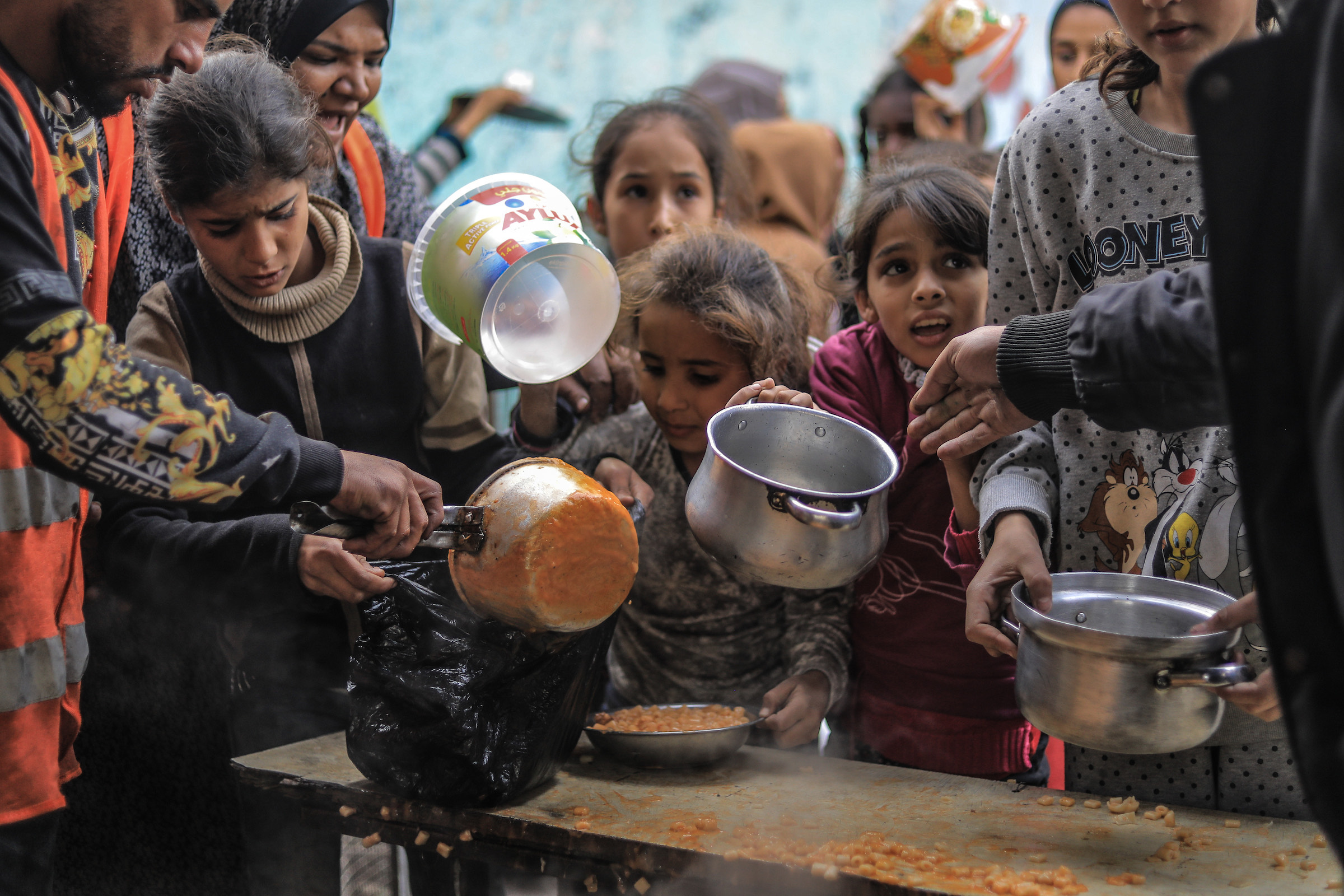
A new Hunger Hotspots Report released by the Food and Agriculture Organisation and the World Food Programme has identified Nigeria and 12 countries and territories where food insecurity is expected to worsen between June and November 2026.
It said that conflict, economic pressures and shrinking aid budgets exacerbate long-running crises.
The report said “Nigeria and 12 countries and territories are where food insecurity is expected to worsen between June and November 2026.
“Nigeria has entered the highest-risk category after forecasts showed parts of Borno could face catastrophic hunger,” the report stated.
“Sudan, South Sudan, Yemen and Palestine remain the most critical hotspots, while Nigeria and Somalia have moved into the highest-risk category amid growing concerns over famine.”
Millions of people across some of the world’s most vulnerable regions are expected to face worsening hunger in the months ahead, as conflict, economic pressures and shrinking aid budgets exacerbate long-running crises.
According to the WFP’s acting executive director Carl Skau, conflict remains the main cause of hunger, affecting 12 of the 13 hotspots.
“Conflict, shocks, and disasters are forcing families to make impossible decisions about who gets to eat and who goes to bed hungry,” said Mr Skau.

WFP and FAO warned that humanitarian funding continued to decline.
Support for food assistance, emergency farming programmes and nutrition responses in crisis settings dropped by an estimated 59 per cent between 2022 and 2025, the worst in a decade.
At the same time, about 266 million people across these countries are facing severe food insecurity.
“The challenge is whether we act early enough and at the necessary scale,” FAO deputy director-general Beth Bechdol said.
FAO noted that emergency support for agriculture remains one of the most effective ways to help families keep producing food and reduce reliance on aid.
The report warns that new crises could worsen conditions. Jean-Martin Bauer, WFP’s director of the Food Security and Nutrition Analysis Service, said there were intense economic shocks compounding food insecurity.
“Economic shocks are compounding food insecurity, and climate change and climate variability are also further intensifying the situation,” Mr Bauer stressed.
-

 Oil and Gas2 days ago
Dangote refinery drops PMS to ₦1,165/Litre, diesel to ₦1,570/litre
-

 News2 days ago
85m Nigerians still lack access to grid electricity—REA
-

 News2 days ago
Recapitalised insurers get NAICOM new licence certificates
-

 News19 hours ago
SpaceX insiders get their first chance to cash out — but the stock’s slide will limit their opportunity
-

 Finance2 days ago
Crown Takaful shares N100m to customers
-
 Economy19 hours ago
African free trade agency taps Nigerian firm for $3.1bn customs overhaul project
-

 Finance19 hours ago
Nigeria’s plan to tax crypto transactions could undermine adoption–operators
-

 Economy19 hours ago
UNCTAD estimates Nigeria’s FDI inflow rose from $1.614bn in 2024 to $4.005bn in 2025