
Oil and Gas
Nigeria issues permits for gas-flaring project, targets $2bn investment and 3 GW power potential

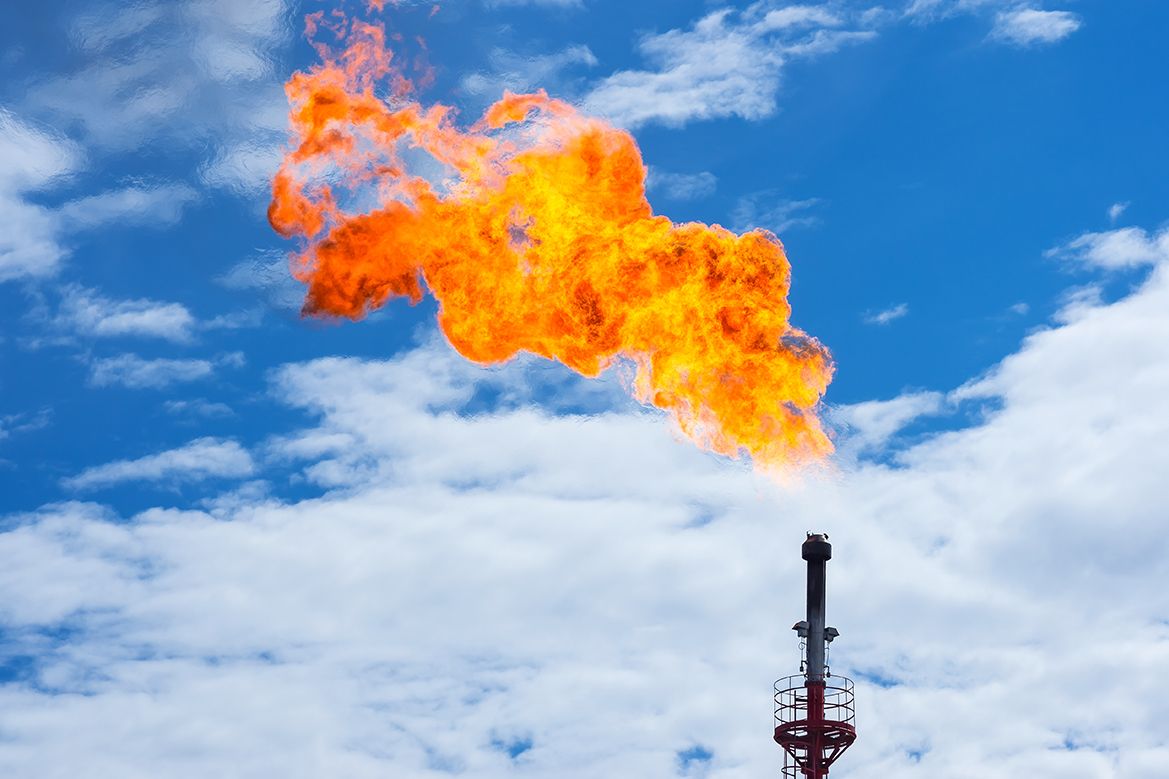
Nigeria has issued permits to 28 companies under a programme that aims to end routine gas flaring to cut carbon emissions and use some of the gas to generate power.
The Nigerian Gas Flare Commercialisation Programme (NGFCP) marks a major step toward ending flaring and monetising wasted gas, NGFCP officials said on Friday. Gas flaring is the controlled burning of natural gas that is released during oil extraction.
The projects could capture 250 to 300 million standard cubic feet per day (mmscfd) of gas currently flared, cut about 6 million tonnes of CO₂ annually, and unlock nearly 3 gigawatts of power generation potential, an NGFCP document showed.
Nigeria expects the initiative to attract up to $2 billion in investment and create more than 100,000 jobs. It could also produce 170,000 metric tonnes of LPG annually, providing clean cooking access for 1.4 million households.
The permits follow a competitive bid round that awarded 49 flare sites to 42 bidders after the programme was restructured post-COVID-19 and the Petroleum Industry Act. Gbenga Komolafe, head of the Nigerian Upstream Petroleum Regulatory Commission, attended and presented the certificates to the 28 companies.

“The NGFCP is a pillar in our quest to eliminate routine flaring, reduce emissions, and enhance Nigeria’s global credibility in energy transition commitments,” an NGFCP official said. The programme aligns with Nigeria’s Energy Transition Plan and aims to turn flare gas from an environmental liability into an economic asset.
The 28 companies have signed key agreements, including Connection, Milestone Development and Gas Sales Agreements, and now qualify for permits to access flare gas.
Producers will benefit from reduced liabilities, improved ESG performance and alignment with the government’s decarbonisation agenda.
Development partners, including Power Africa, KPMG, World Bank’s Global Gas Flaring Reduction initiative, USAID and financiers, have supported the programme with technical and commercial frameworks.
The official said while the permits mark a milestone, engineering, construction and financing must begin “in earnest.”
“The real work starts now,” the official added. “This programme will create economic, industrial and environmental value while strengthening Nigeria’s energy transition.”
-
 News1 day ago
PwC, EY jointly command an estimated 35.9% of Nigeria’s corporate audit market in 2025`
-
 Oil and Gas1 day ago
Internal documents show Shell’s role in oil theft, environmental damage across Niger Delta
-

 Oil and Gas1 day ago
Oil jumps 7% on escalating Middle East airstrikes
-

 Economy1 day ago
Atiku raises alarm over Nigeria’s N12.62tr debt profile
-

 Economy5 hours ago
72% of world trade still operates under WTO— Okonjo-Iweala
-

 News1 day ago
Flutterwave makes CNBC, Statista’s World’s top fintech companies list
-

 Finance1 day ago
CBN slams banks with N430 million fines for ignoring customer complaints
-
 News5 hours ago
Subsidy savings spent on debt servicing, higher spending—Oyedele