
Oil and Gas
Oil edges up as investors assess US tariff threats, weaker dollar

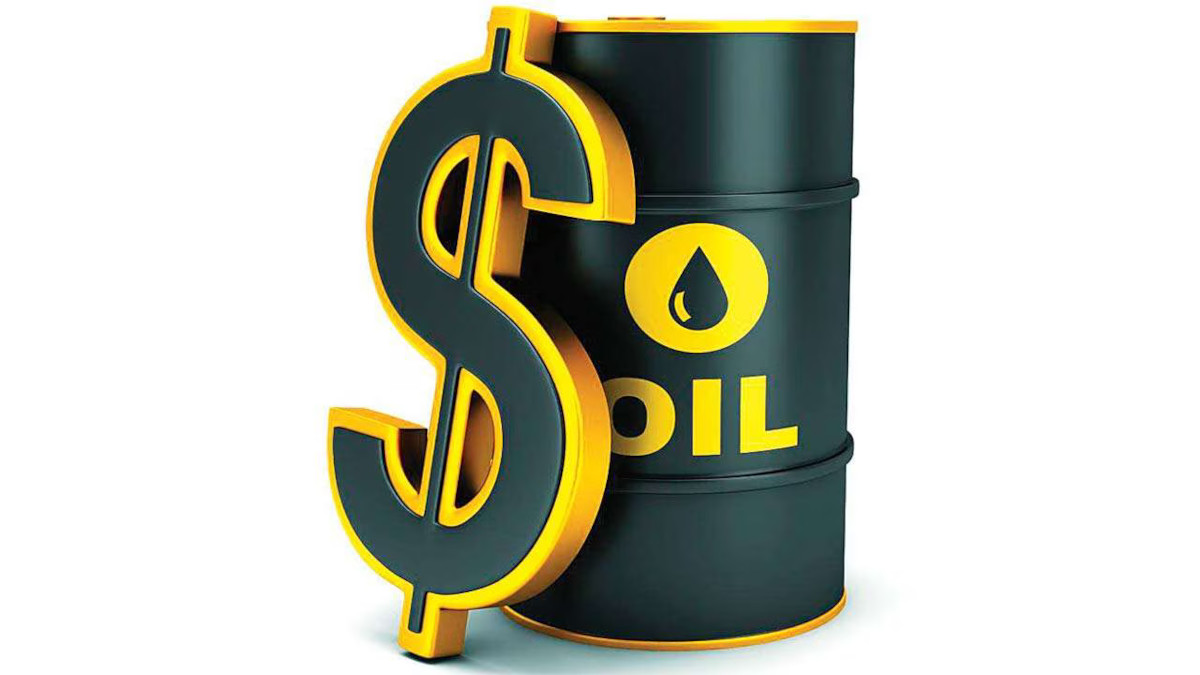
Oil prices were slightly higher on Tuesday as investors monitored U.S. President Donald Trump’s tariff threats against European states opposing his push to acquire Greenland, while firmer global economic growth expectations and a weaker U.S. dollar supported prices.
Brent futures gained 49 cents, or 0.77%, to $64.43 a barrel, while U.S. West Texas Intermediate crude was up 56 cents, or 0.94%, at $60.
Fears of a renewed trade war escalated over the weekend after Trump said he would impose additional 10% levies from February 1 on goods imported from Denmark, Norway, Sweden, France, Germany, the Netherlands, Finland and Britain, rising to 25% on June 1 if no deal on Greenland was reached.
European Commission President Ursula von der Leyen said on Tuesday that the bloc’s executive arm is working on a package to support Arctic security and are a mistake.
The tariff threats, however, will not have an immediate impact on the oil balance, said PVM analyst Tamas Varga, who added that prices had gained some support from an upward revision of this year’s global economic growth estimate by the International Monetary Fund as well as stronger diesel prices.
The oil market also is finding some support from better-than-expected fourth-quarter Chinese gross domestic product data released on Monday, said IG market analyst Tony Sycamore.
“This resilience in the world’s top oil importer provided a lift to demand sentiment,” he said.
China’s economy grew 5.0% last year and the country’s in 2025 also climbed, edging up 4.1% on a year-over-year basis, data showed on Monday. China’s crude oil output also grew 1.5%.
A sliding dollar also is supporting prices, as a weaker U.S. currency could boost oil demand by making dollar-denominated purchases cheaper.
“A weaker U.S. dollar provided some support to oil and the broader commodities complex,” ING commodities strategists said on Tuesday. Reuters
-

 Oil and Gas1 day ago
NUPRC vows not to approve divestments that doesn’t meet considerations
-

 News2 days ago
Binance seeks out-of-court settlement with Nigeria over alleged tax evasion
-

 Oil and Gas2 days ago
Dangote warns of prolong global oil shocks
-
 Oil and Gas1 day ago
Iran eases Strait of Hormuz transit rules amid oil shock
-

 Finance1 day ago
Cardoso seeks collaboration to check cross‑border financial risks
-
 Stock Market2 days ago
NGX market capitalisation settle at N128.84tn, cuts Zichis Agro-Allied share price by 50%
-
 News2 days ago
Power crisis blamed on gas shortages, sector debts
-
 News2 days ago
FG shortlists 65 student innovators for venture capital grant