
Oil and Gas
Oil jumps 10% on Iran conflict, could spike to $100 a barrel, OPEC+ to raise oil output in April

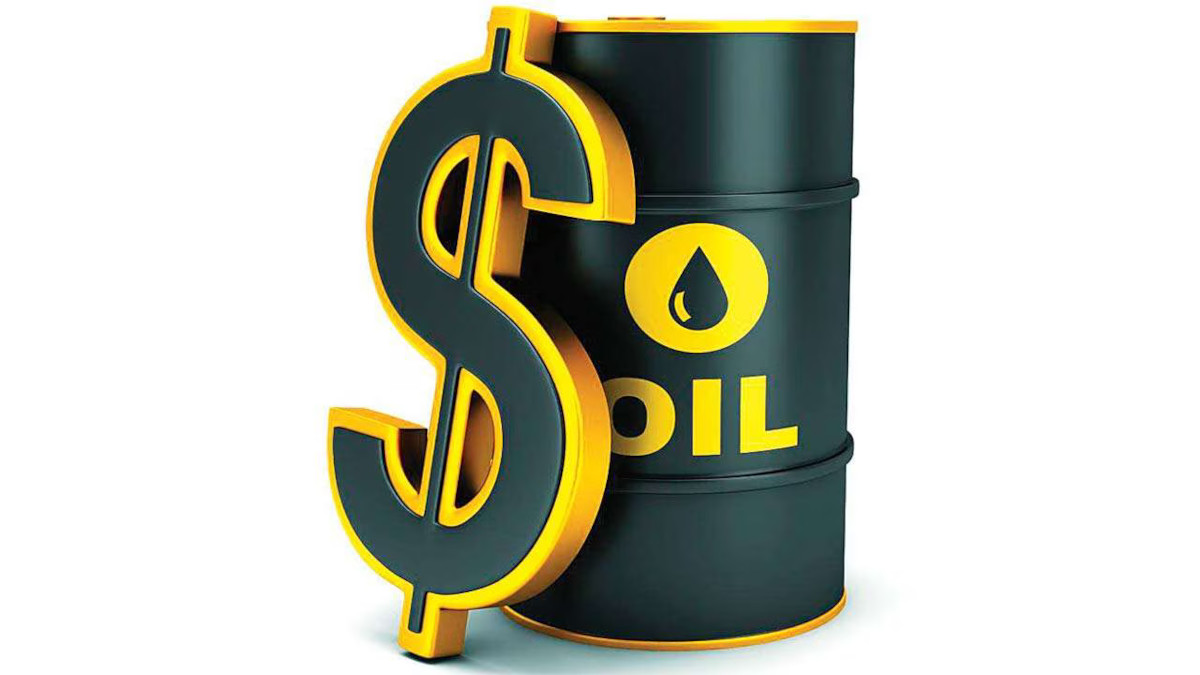
Brent crude oil jumped 10% to about $80 a barrel over the counter on Sunday, oil traders said, while analysts predicted that prices could climb as high as $100 after U. S. and Israel strike on Iran plunged the Middle East into a new war.
Meanwhile The Organisation of the Petroleum Exporting Countries (OPEC) and its allies, a group known as OPEC+, on Sunday decided to ramp up oil output by 206,000 barrels per day (bpd) in April.
The announcement was made after a virtual meeting where member countries, including Saudi Arabia, Russia, Iraq, the United Arab Emirates, Kuwait, Kazakhstan, Algeria, and Oman, reviewed global market conditions and outlook, according to a statement on the OPEC website.
“The eight participating countries decided to resume the unwinding of the 1.65 million barrels per day of additional voluntary adjustments announced in April 2023 and agreed on a production adjustment of 206,000 barrels per day,” the statement said.
The global oil benchmark has rallied this year and reached $73 a barrel on Friday for its highest since July, buoyed by growing concern over the potential attacks that arrived a day later. Futures trading is closed over the weekend.
“While the military attacks are themselves supportive for oil prices, the key factor here is the closing of the Strait of Hormuz,” said Ajay Parmar, director of energy and refining at ICIS.
Most tanker owners, oil majors and trading houses have suspended crude oil, fuel and liquefied natural gas shipments via the Strait of Hormuz, trade sources said, after Tehran warned ships against moving through the waterway. More than 20% of global oil is moved through the Strait of Hormuz.
“We expect prices to open (after the weekend) much closer to $100 a barrel and perhaps exceed that level if we see a prolonged outage of the Strait,” Parmar said.
Middle East leaders have warned Washington that a war on Iran could lead to oil prices jumping to more than $100 a barrel, said RBC analyst Helima Croft. Rabobank analysts slightly less bullish, seeing prices holding above $90 a barrel in the near term.
The OPEC+ group of oil producers agreed on Sunday to raise output by 206,000 barrels per day (bpd) from April, a modest increase representing less than 0.2% of global demand.
While some alternate infrastructure could be used to bypass the Strait of Hormuz, the net impact from its closure would be a loss of 8 million to 10 million bpd of crude oil supply even after diverting some flows through Saudi Arabia’s East-West pipeline and Abu Dhabi’s pipeline, said Rystad energy economist Jorge Leon.
Rystad expects prices to rise by $20 to about $92 a barrel when trade opens. The Iran crisis also prompted Asian governments and refiners to assess oil stockpiles and alternative shipping routes and supplies.
Kpler analysts said in a webinar on Sunday that India might turn to Russian oil to make up for potential Middle East supply loss.
OPEC+ added that the global economic outlook is steady, and current market fundamentals are healthy, which was reflected in the low oil inventories.
The 1.65 million bpd in voluntary cuts could be phased back in either partially or fully, depending on evolving market conditions and would be implemented gradually, OPEC said.
It said that eight countries are scheduled to meet on April 5 to make the following decisions. The April output increase is expected to end the OPEC planned production increases for the first quarter of 2026.
The voluntary production cuts of 1.65 million bpd were first announced in April 2023 and were later extended through the end of 2026.
The OPEC+ announcement was made following U.S. and Israeli strikes on Iran, which raised concerns about supply disruptions in the Middle East, especially around the Strait of Hormuz. Market analysis expected oil prices to soar on Monday.
-

 News2 days ago
Binance seeks out-of-court settlement with Nigeria over alleged tax evasion
-

 Oil and Gas1 day ago
NUPRC vows not to approve divestments that doesn’t meet considerations
-

 Stock Market2 days ago
NGX market capitalisation settle at N128.84tn, cuts Zichis Agro-Allied share price by 50%
-
 News2 days ago
Power crisis blamed on gas shortages, sector debts
-
 News2 days ago
FG shortlists 65 student innovators for venture capital grant
-

 Economy2 days ago
FG urges PenCom board on governance, protection of pension assets
-

 Oil and Gas2 days ago
Dangote warns of prolong global oil shocks
-
 Oil and Gas1 day ago
Iran eases Strait of Hormuz transit rules amid oil shock