
Maritime
Only a handful of ships have passed through Hormuz, further testing fragile truce

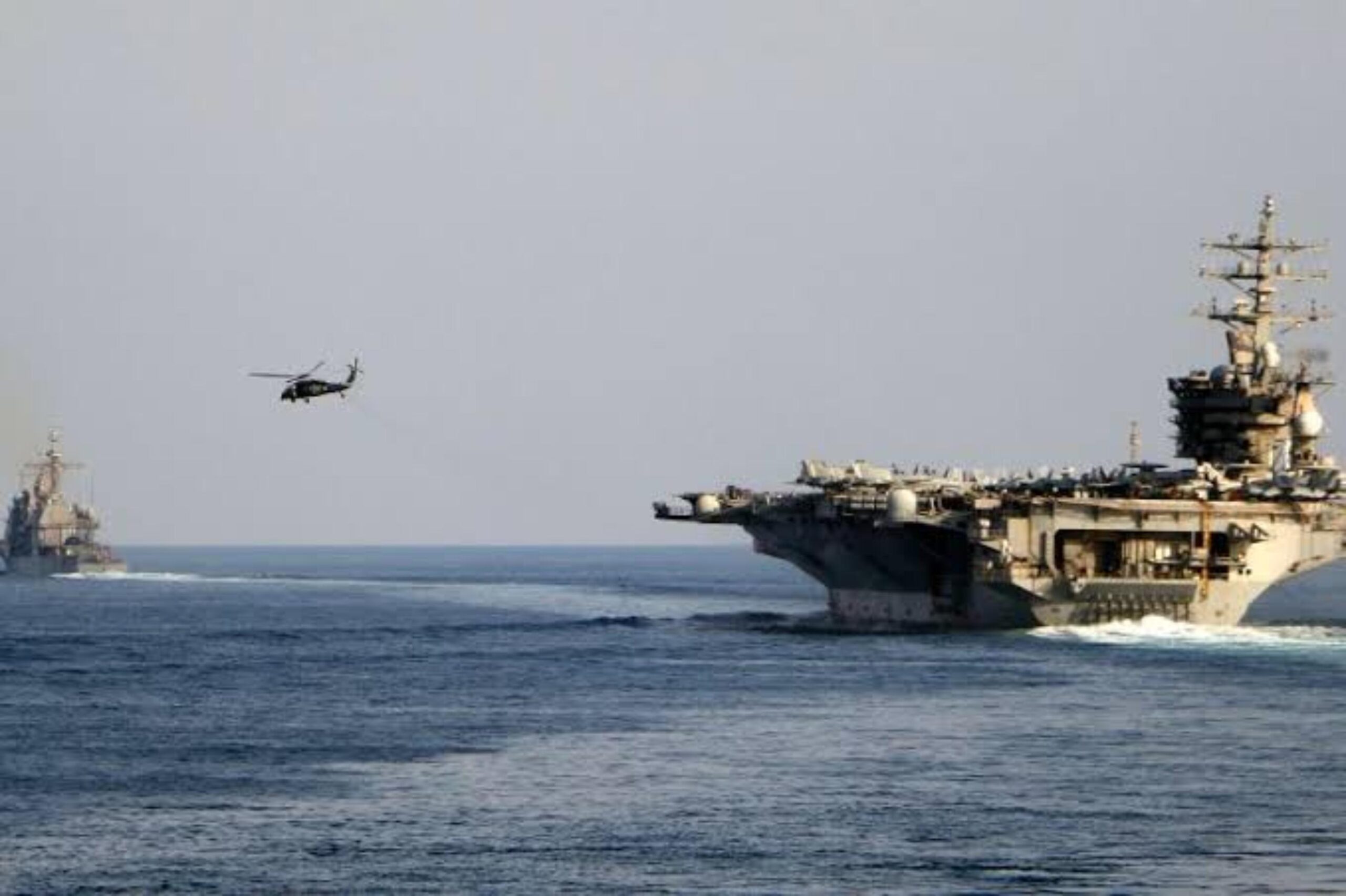
The Strait of Hormuz remains essentially closed, with more than 800 ships still stranded in the Persian Gulf and only eight vessels, mostly dry-bulk vessels, passing through since the tenuous cease-fire between the U.S., Israel and Iran was announced earlier this week.
Hormuz, which in normal circumstances sees about a fifth of the world’s production of crude and crude products pass through, has emerged as Iran’s most consequential bargaining chip in its strategy to outlast U.S. and Israeli attacks. One United Arab Emirates official decried the closure of the key waterway as “coercion.”
According to trade-intelligence company Kpler, there are 820 commercial vessels in the Persian Gulf, including more than 400 oil tankers and dozens of ships carrying cooking gas and liquified natural gas.
Five ships transited the strait on Wednesday, all of them bulk carriers — or ships that carry unpackaged raw materials such as coal and grain in their holds.
So far on Thursday, there have been three crossings — another bulk carrier and two Iranian-flagged tankers, one carrying bunker fuel to another port in Iran in the Gulf of Oman side of the strait and the second carrying crude to an unspecified destination.
“This moment requires clarity. So let’s be clear: the Strait of Hormuz is not open. Access is being restricted, conditioned and controlled,” said Sultan Ahmed Al Jaber, the chief executive officer of the Abu Dhabi National Oil Co. and the U.A.E. minister of industry.
“Iran has made clear — through both its statements and actions — that passage is subject to permission, conditions and political leverage. That is not freedom of navigation. That is coercion,” he wrote in a LinkedIn post.
Hormuz was not built, engineered, financed or constructed by any country, but is a natural passage governed by a United Nations convention on maritime law guaranteeing transit, Al Jaber wrote. Transiting the waterway is “not a privilege to be granted, withheld or weaponized.”
In an interview with the U.K.’s ITV, Iranian Deputy Foreign Minister Saeed Khatibzadeh confirmed that due to “technical restraints … related to wartime conditions,” all vessels attempting to navigate through Hormuz have to communicate with Iranian military.
The cease-fire was immediately put to test earlier this week amid reports of attacks. Saudi Arabia’s East-West pipeline, which had emerged as an escape valve for Saudi oil exports as the conflict dragged on, was reportedly hit by a drone.
While there were no immediate reports of further Iranian attacks on infrastructure, Israel continued to strike Lebanon on Thursday, drawing condemnation from Pakistan. Iran has said that the truce must include a halt to Israel’s strikes against Hezbollah in Lebanon, while Israel has said that wasn’t part of the agreement.
Pakistani Prime Minister Shehbaz Sharif, a key mediator in the conflict, said on X that he “strongly condemned Israel’s ongoing aggression against Lebanon and offered condolences over the loss of thousands of precious lives in Lebanon as a result of these hostilities.” On Wednesday, Sharif said peace talks had been scheduled in Islamabad for later in the week.
-

 News24 hours ago
RHUCE taps into Africa’s $3bn creator economy with new monetisation platform
-

 Stock Market24 hours ago
NGX stock index advance 0.44% as investors gained N389.53bn,
-

 Finance24 hours ago
DFI recapitalisation next on CBN agenda, plans to close N130trn MSME funding gap
-

 Oil and Gas24 hours ago
Brent crude oil crash under $95/barrel on US ceasefire with Iran
-

 News1 day ago
Nigeria generated N1.49trn from company income tax in Q4 2025—NBS
-
 Economy24 hours ago
Sub-Saharan Africa faces slower growth as US-Iran war raises costs
-

 Economy24 hours ago
Pension Assets Hit N29.43trn in February, Up by N1.39trn
-

 Agriculture54 minutes ago
FG prioritizing youth in agric ecosystem with financial inclusion, others—Minister