
Economy
Replacement of FIRS with NRS ‘ll overhaul revenue administration – Adedeji

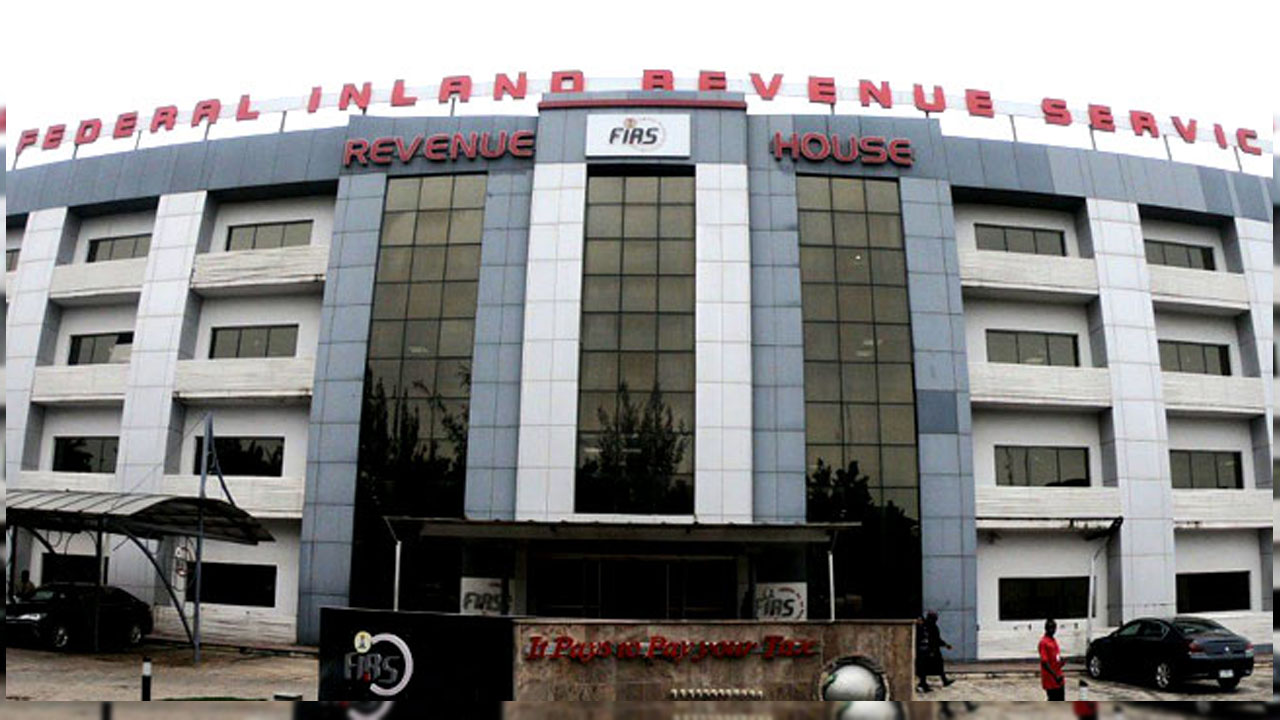
Nigeria Revenue Service (NRS) says its replacement with the defunct Federal Inland Revenue Service (FIRS) will overhaul the architecture of the country’s revenue administration.
The Executive Chairman of NRS, Dr Zacch Adedeji, said this in a television interview monitored from Abuja. The News Agency of Nigeria (NAN) reports that the provision of the recently enacted tax reform laws changes the nomenclature of the country’s apex tax authority from FIRS to NRS.
According to Adedeji, NRS is not branding. It is a total institutional upgrade moving from fragmented revenue administration to a modern, digitalised, centralised and intelligence-driven system.
He said that under the new framework, multiple tax and revenue-related functions previously spread across agencies have been consolidated, with a stronger emphasis on data integration, automation, and reduced human discretion.
He dismissed allegations that the country’s newly enacted tax reform laws were altered after passage by the National Assembly. “Only the officially gazetted Acts carry legal authority and are binding on taxpayers and administrators,” he said.
The NRS boss said that an Act of the National Assembly only became effective after Presidential assent and official gazetting, with the gazetted version constituting the authoritative text in the event of disputes.

“Revenue agencies, courts, and taxpayers are therefore guided solely by the gazetted law, not draft bills, committee reports or chamber debates.
“Neither the executive nor the revenue authority has any incentive or legal capacity to alter the law after passage,” he said.
Adedeji said that the overhaul of the NRS is also designed to support the Federal Government’s broader fiscal objectives. According to him, Nigeria’s tax-to-GDP ratio has improved in recent years, rising to about 13.5 per cent as at October 2025.
“But it remains below the African average and well short of levels seen in peer emerging markets,” he said. Adedeji said that the overall aim is on taxing profits and returns rather than capital or investment.
“We are not going to tax poverty; we want to tax prosperity,” he said. NAN
-

 Economy2 days ago
72% of world trade still operates under WTO— Okonjo-Iweala
-
 News2 days ago
Northeast Development Commission distributes 10,000 e-vehicles to beneficiaries
-
 News2 days ago
Subsidy savings spent on debt servicing, higher spending—Oyedele
-

 Oil and Gas2 days ago
Olugboboro community expresses worry over Oando Plc’s decision to halt reclamation project
-
 News2 days ago
Wike seeks N400bn to complete Abuja millennium tower
-
 Economy13 hours ago
FG rolls out plan to strengthen power supply
-

 Oil and Gas13 hours ago
Oil price rises after Iran says it stops ships in Hormuz
-

 News13 hours ago
US bans imports from 43 more companies over China’s alleged forced labour