
News
Shell faces calls to safely decommission old assets before Nigeria exit

Nigeria needs to ensure that Shell safely dismantles its old infrastructure or pays to remove them from the Niger delta before its exit, says a report on the environmental impact of the activities of multinational companies. Shell is set to exit from Nigeria’s onshore oil and gas operations after agreeing in January to sell the business to a consortium of five mostly local companies for $2.4 billion. The deal is the latest by an international oil company seeking to divest from Nigeria’s troubled onshore oil sector. But the cost of dismantling old assets could leave the country with environmental degradation, says the report by the not for profit Centre for Research on Multinational Corporations (SOMO).
“The big issue is that Shell is leaving onshore Niger delta and leaving behind potentially a massive bill for (clean up),” SOMO’s executive director, Audrey Gaughran said. When it announced the deal in January, it said the Renaissance consortium would take over responsibility for dealing with oil spills in the delta which Shell has long maintained are mostly due to theft of oil and interference with pipelines. Layi Fatona, vice chairman of ND Western, one of the five companies in the Renaissance consortium, did not comment directly on the issue or how much it had budgeted to clean up, but told Reuters that the grouping will follow the country’s legal requirements. Gbenga Komolafe, head of Nigerian Upstream Petroleum Regulatory Commission, told Reuters that oil majors would need to show compliance with rules on decommissioning among others before they are granted consent to exit. He did not name Shell and the regulator declined to comment on whether the oil major or other companies have complied with the rules. The government has indicated that it would not block the Shell deal.
Communities in the delta are also demanding environmental restoration or compensation from Shell for land damaged by historical oil spills. “We depend on farming and fishing, but now our lands and rivers have been destroyed. If they leave without healing the soil, how do we survive?,” says 61-year-old farmer Ayibakuro Warder, from Ikarama community in Bayelsa state. Reuters
-
 Oil and Gas16 hours ago
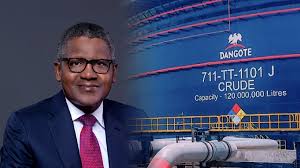
Dangote Refinery reduces petrol price to N1,200 per litre
-

 Finance16 hours ago
FirstBank empowers SMEs with AI-driven growth strategies, hosts SMEConnect webinar
-

 News16 hours ago
Afreximbank launches inaugural accelerator programme cohort to scale Africa’s Digital trade ecosystem
-
 Economy16 hours ago
WBG working with governments, private sector, regional partners, stakeholders to help solve Middle East war challenges challenges
-
 News15 hours ago
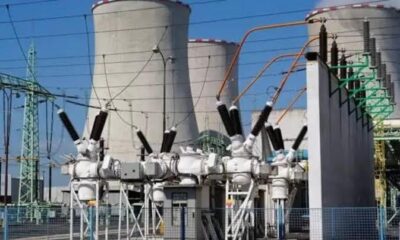
Power sector reforms attract $2bn investments – Adelabu
-
News15 hours ago
Dangote Refinery cautions stakeholders on IPO speculation
-

 News15 hours ago
Account for N129.5bn disbursed for botched 2023 Census, BudgiT tackles NPC
-

 Finance16 hours ago
Total capital importation rose in Q4 2025, says statistics bureau