
Agriculture
U.S. revives credit scheme to boost agriculture trade with Nigeria

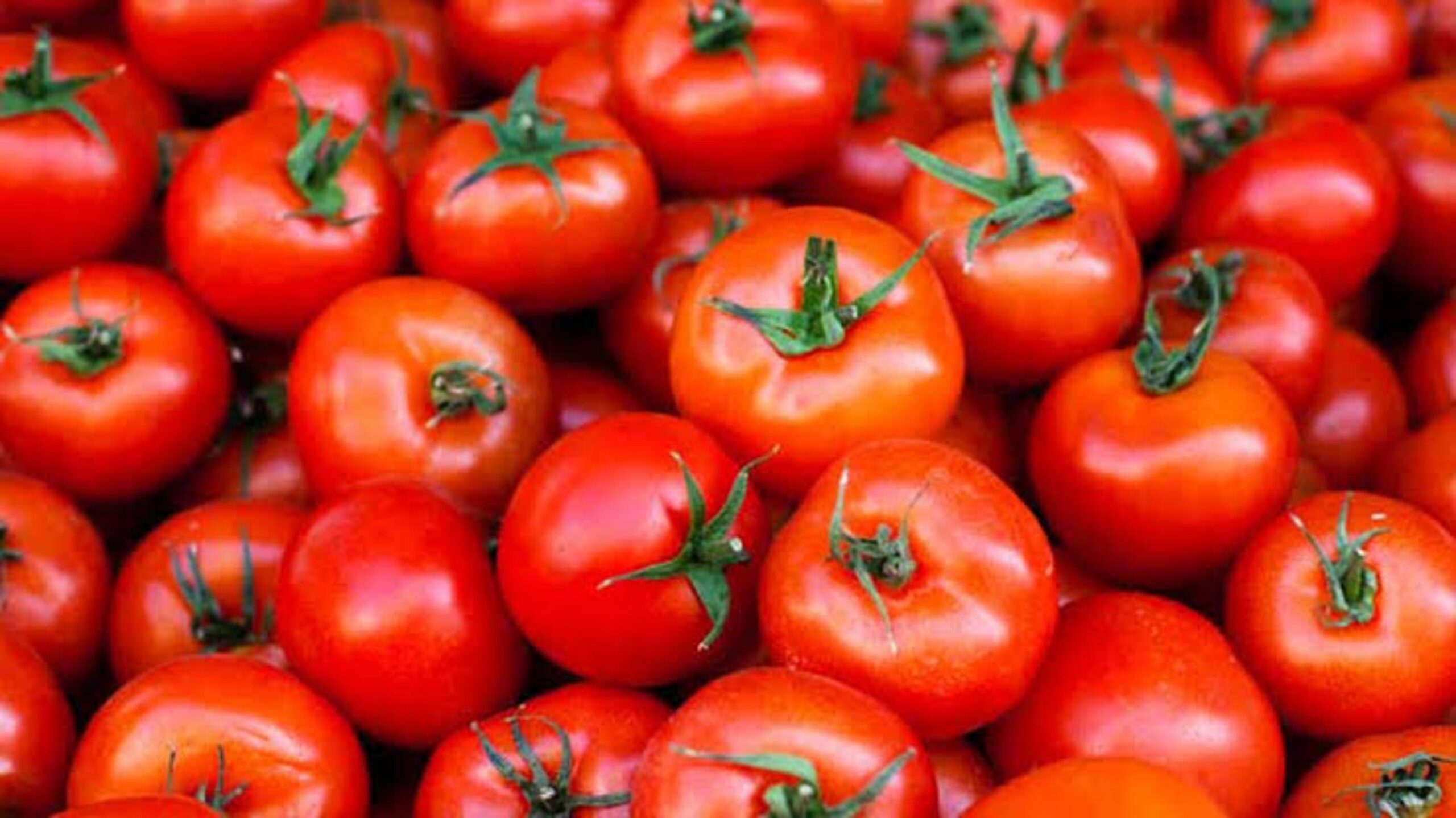
United States said it has expanded support for agricultural trade with Nigeria through the U.S. Department of Agriculture’s Export Credit Guarantee Program (GSM-102).
The GSM-102 provides government-backed credit guarantees for Nigerian banks and importers sourcing agricultural inputs from the U.S.
In a statement in Lagos on Friday, the U.S. Mission said both countries continue to advance a strong and growing economic partnership, with two-way trade in goods and services reaching nearly $15 billion in 2025, up 14 per cent from 2024.
“Agricultural trade has been a major contributor to this expansion, increasing to $764 million – an 84 per cent rise from $415 million in 2024 – and underscoring Nigeria’s importance as a key partner,” the mission said.
The mission said that in a bid to increase awareness and utilisation of the GSM-102 programme in Nigeria, the Foreign Agricultural Service of the U.S. Consulate General hosted a two-day event.
The event brought together officials from the U.S. Department of Agriculture and the U.S. International Development Finance Corporation, representatives of the Nigerian-American Chamber of Commerce, U.S. agricultural exporters, Nigerian banks, and agricultural importers.
The U.S. Consul-General in Lagos, Mr Rick Swart, described Nigeria as one of his country’s most important agricultural trade partners in Africa.
“Under the Trump administration, we are making a clear shift from aid to trade.

“We are engaging Nigeria as an outstanding and unique commercial partner.
“That means we are looking for real-world solutions that foster the kind of business environment that enables entrepreneurs, innovators, and investors to build the future of U.S.-Nigeria commerce,” he said.
Demeteris “Dee” Hale, Senior Analyst for the Africa, Middle East, Türkiye, Caucasus, and Central Asia Region at the U.S. Department of Agriculture, said that, at its core, GSM-102 strengthened market confidence.
According to her, this happen by reducing risk, enabling lenders and exporters to move forward with transactions and expand into new opportunities.
“We are here to work with financial institutions, importers, exporters, and other stakeholders across the industry to build stronger linkages and drive increased agricultural trade,” she said.
In late 2025, Nigerian banks regained eligibility to participate in GSM-102.
Since then, credit limits have been extended to selected Nigerian banks, enabling renewed access to U.S.-backed trade financing and contributing to increased bilateral agricultural trade. NAN
-

 News1 day ago
PwC, EY jointly command an estimated 35.9% of Nigeria’s corporate audit market in 2025`
-

 Economy6 hours ago
72% of world trade still operates under WTO— Okonjo-Iweala
-

 News1 day ago
Flutterwave makes CNBC, Statista’s World’s top fintech companies list
-
 Oil and Gas1 day ago
Internal documents show Shell’s role in oil theft, environmental damage across Niger Delta
-

 Oil and Gas1 day ago
Oil jumps 7% on escalating Middle East airstrikes
-

 Economy1 day ago
Atiku raises alarm over Nigeria’s N12.62tr debt profile
-

 News6 hours ago
Subsidy savings spent on debt servicing, higher spending—Oyedele
-

 Oil and Gas6 hours ago
Olugboboro community expresses worry over Oando Plc’s decision to halt reclamation project