
Economy
Zimbabwe bans exports of all raw minerals, lithium concentrates as China’s lithium price soars

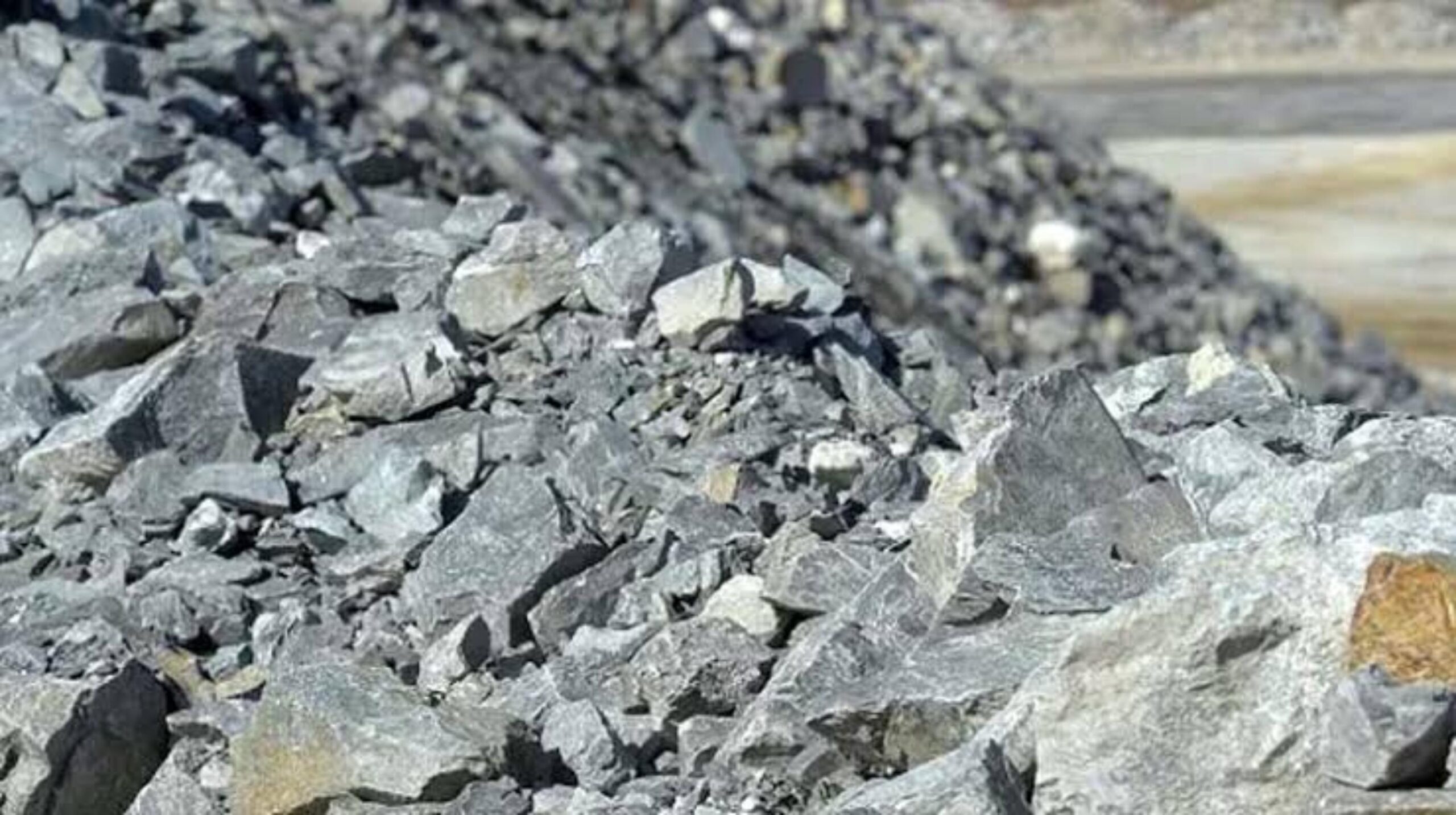
China’s lithium price surged on Thursday after Zimbabwe suspended raw mineral exports, sparking concerns over supply disruptions, at a time when growing energy storage demand is projected to drive a boom in the market.
The most traded lithium carbonate contract on the Guangzhou Futures Exchange jumped 6.07% to 178,020 yuan ($26,043.45) a metric ton, having spiked more than 9% to 187,700 yuan earlier this session.
Zimbabwe on Wednesday suspended exports of all raw minerals and lithium concentrates with immediate effect.
The country is the largest lithium producer in Africa and exported 1.128 million tons of spodumene concentrate in 2025, up 11% from a year before, with the bulk of the exported volume shipped to China.
Chinese mining companies such as Zhejiang Huayou Cobalt and Sinomine have made significant investments in Zimbabwe in recent years.
The export ban has raised concerns about the stability of raw material supply at a time when expectations of a boom in energy storage systems have driven a rally in lithium prices since the second half of 2025.
Zimbabwe has suspended exports of all raw minerals and lithium concentrates with immediate effect, its mines ministry said in a statement on Wednesday, after the government alleged malpractices and leakages.
The ministry said the ban on exports would remain in place until further notice and applied to all minerals currently in transit.
“Government expects cooperation of the mining industry on this measure which has been taken in the national interest,” the statement said.

“Government remains committed to … in-country value addition and beneficiation, compliance, and accountability in the exportation of Zimbabwe’s mineral resources,” it added.
In a letter seen by Reuters on Wednesday and addressed to Zimbabwe’s Chamber of Mines, which represents major mining companies, the mines ministry said it would realign export processes due to concern about “continued malpractices during the exportation of minerals”.
This review is part of a broader effort to curb leakages and enhance efficiency within our systems,” the ministry wrote on February 17.
Zimbabwe’s ban on lithium concentrates was previously expected to come into effect in 2027 as part of a push for more local processing.
Africa’s top producer of the battery mineral exported 1.128 million metric tons of lithium-bearing spodumene concentrate in the year ended December 2025, up 11 % from the year before.
The southern African country has rapidly expanded spodumene output in recent years following significant investment by Chinese mining firms including Zhejiang Huayou Cobalt, Sinomine, Chengxin Lithium Group and Yahua.
Most of the concentrate is exported to China for further processing into battery-grade materials, but Zimbabwe has been pressing the miners to process more of the minerals in the country as it seeks greater benefits from the global shift to cleaner sources of energy.
Huayou recently built a $400 million plant to further process lithium concentrates into lithium sulphate, an intermediate product which can be refined into a battery-grade material such as lithium hydroxide or lithium carbonate.
-

 Economy2 days ago
72% of world trade still operates under WTO— Okonjo-Iweala
-

 News2 days ago
Northeast Development Commission distributes 10,000 e-vehicles to beneficiaries
-

 News2 days ago
Wike seeks N400bn to complete Abuja millennium tower
-

 Economy16 hours ago
FG rolls out plan to strengthen power supply
-

 News2 days ago
Subsidy savings spent on debt servicing, higher spending—Oyedele
-

 Oil and Gas2 days ago
Olugboboro community expresses worry over Oando Plc’s decision to halt reclamation project
-

 News16 hours ago
US bans imports from 43 more companies over China’s alleged forced labour
-

 News16 hours ago
Ban on sale of sachet alcoholic drinks remains—NAFDAC