
Agriculture
65.8% of Nigerian households unable to afford nutritious food—Orodata

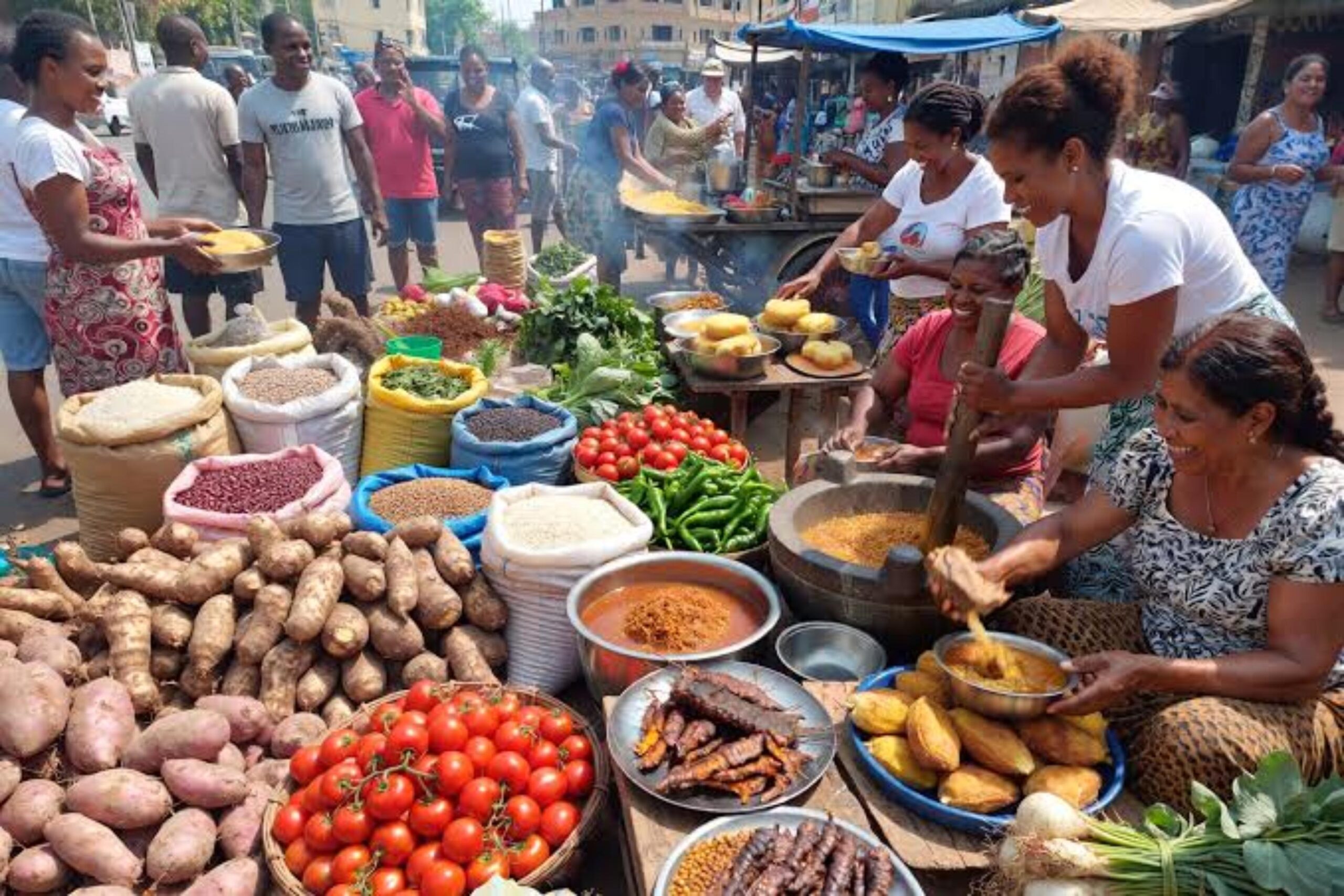
Rising food prices and the high cost of nutritious diets are worsening food insecurity in Nigeria, according to two reports by Orodata Nigeria. The reports, titled “Food Insecurity in Nigeria” and “The Price of Eating Well in Nigeria,” were released on Friday in Lagos to mark World Food Day.
The reports combine official household survey data with visualisations to examine how food prices, limited incomes and regional disparities affect access to adequate and nutritious food.
According to the National Bureau of Statistics General Household Survey-Panel Wave 5 (2023/24), 37 per cent of Nigerian households experienced food shortages in the preceding 12 months. The report showed that the North-East recorded the highest rate, with 53 per cent of households experiencing food shortages, compared with 25.7 per cent in the North-Central.
Urban households recorded a food-shortage rate of 37.4 per cent, while rural households recorded 36.8 per cent, indicating that the challenge affects both communities. The survey also revealed that 65.8 per cent of households could not afford healthy, nutritious or preferred foods in the 30 days preceding the survey.
It further showed that 63.8 per cent of households ate only a few types of food because of financial constraints, while 62.4 per cent worried about having insufficient food. Orodata’s report on the cost of eating well examined how the affordability of nutritious foods influences household food choices and nutritional outcomes. The organisation said the findings showed that many households faced food shortages and struggled to afford diverse and healthy diets.

The reports identified rising food prices as a major household shock, with NBS data showing that 71 per cent of households were affected by increases in the prices of major food items. They also showed that the proportion of households worried about having insufficient food rose from 36.9 per cent in 2018/19 to 62.4 per cent in 2023/24.
Orodata said the findings highlighted food insecurity as a nationwide challenge requiring coordinated action across agriculture, social protection, nutrition, market regulation and economic policy. It called for policies to improve food availability and make healthy diets more affordable for low-income households.
The organisation also advocated increased investment in local food production, stable markets, nutrition-sensitive social programmes and targeted assistance for vulnerable communities.
The reports were produced by Orodata’s food security team, comprising researchers, data analysts, designers and visual storytellers. The team translated official statistics into charts, infographics and visual narratives for citizens, policymakers, media organisations and development partners.
Orodata said accessible evidence was essential to helping decision-makers understand the scale of food insecurity and develop effective responses. Orodata Nigeria is a data visualisation and storytelling organisation that uses public data to promote accountability, civic engagement and evidence-based decision-making. The reports and accompanying visualisations are available on orodata.org and the organisation’s social media platforms. NAN
-

 News23 hours ago
Tesla may finally debut a flying car today, after testing fans’ patience for nearly a decade
-

 Finance23 hours ago
Cardoso commits to credible, independent monetary policy committee
-

 Economy23 hours ago
CPPE says food inflation remains a major threat to Nigerians welfare as inflation slows to 14.63% in September
-

 Stock Market23 hours ago
NGX All-Share Index (ASI) gained 0.01%
-
 News32 minutes ago
IMF warns of rising debt, inflation risks amid global economic shifts
-

 Agriculture26 minutes ago
El Niño could push 45m more into acute hunger by end of 2027, WFP warns
-

 Oil and Gas23 minutes ago
Gas exporting countries forum forecasts 20% growth in global energy demand by 2055
-

 Economy22 minutes ago
AFC eyes iron ore and uranium investments in Africa