
News
85m Nigerians still lack access to grid electricity—REA

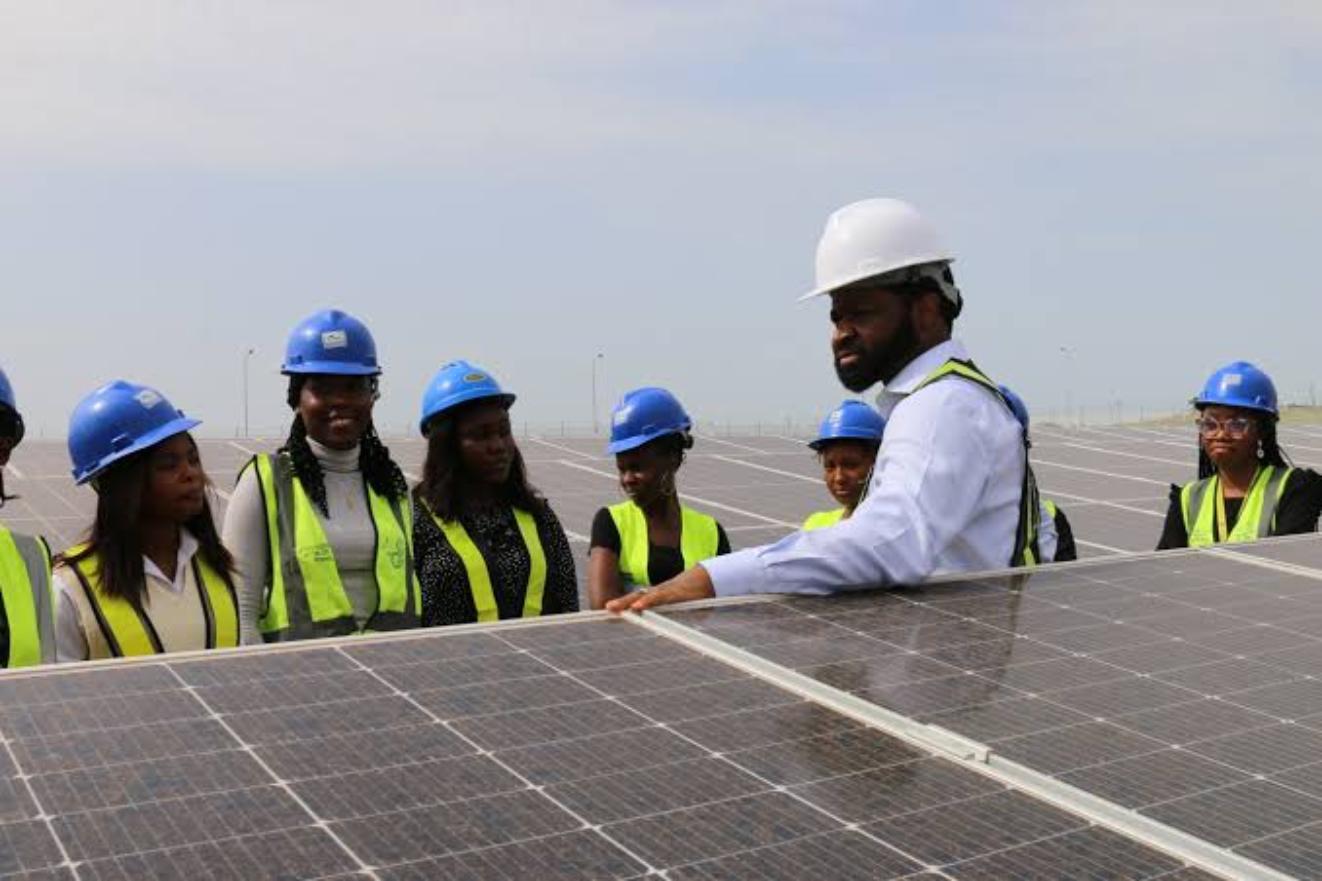
More than 85 million Nigerians still lack access to electricity from the national grid.
Abba Aliyu, the Chief Executive of the Rural Electrification Agency (REA), said this while signing an agreement between the REA with Ecotech Development Nigeria Limited on production of solar panel and battery in Nigeria.
Aiiyu said it is regrettable that about 40 per cent of the country’s population still lack access to electricity from the national grid in spite of efforts of REA to extend electricity to millions of previously underserved Nigerians.
“Over 85 million Nigerians, close to 40 per cent of our population, still lack reliable access to grid electricity. REA exists to close that gap,” he said.
Aliyu said it is also regrettable that Nigeria depend heavily on imported renewable energy equipment and parts in spite of the abundant solar resources in the country.
He said that virtually every solar installation in Nigeria relied on components manufactured abroad.
“Every electrified community across Nigeria today tells the same quiet story. The panel on the rooftop was engineered abroad. The battery beneath it was assembled abroad. The inverter that ties it together was also manufactured outside the country.

“Nigeria supplied the roof, the need and the market, while someone else supplied the technology and equipment,” he said. Aliyu said the continued importation of solar equipment parts has deprived Nigeria of jobs, technical capacity and foreign exchange that could have been retained locally.
“Every dollar we spend importing solar modules is a dollar that could have been paid to Nigerian technicians or invested in Nigerian factories. We have been financing someone else’s industrial growth with our own electrification budget,” he said.
The REA boss described the new agreement with the Chinese company as a milestone as this is the first time a Tier-1 Chinese renewable energy company had offered to establish a solar manufacturing and assembly plant in the country.
Aliyu commended the initiative, saying that local production of renewable energy parts and equipment would reduce import dependence, shorten delivery timelines for developers, create jobs, retain foreign exchange and strengthen Nigeria’s technical capacity.
Under the new agreement, the REA will facilitate the annual off take of up to 200 megawatts of solar photovoltaic modules and 200 megawatt-hours of battery energy storage systems manufactured and assembled in Nigeria by Ecotech.
Aliyu clarified that the new agreement is not a procurement mandate, explaining that that every transaction will still comply with local procurement rules and be judged on price, quality and reliability.
“We are not lowering the bar; we are widening who gets a fair opportunity to meet it,” he said.
-

 News1 day ago
Tinubu approves salary increases for armed forces personnel
-

 Economy1 day ago
Nigeria woos U.S. solid minerals investors
-

 Oil and Gas1 day ago
Dangote refinery aims to raise $5bn with October listing, source says
-
 News1 day ago
DisCos metered 227,559 customers in 2 months— NERC
-

 Finance24 hours ago
CBN holds fair in Gombe to deepen financial inclusion, promote economic growth
-

 Agriculture24 hours ago
African Development Fund grants $4.3m to strengthen integration of natural capital into decision-making in 13 African countries
-

 News11 minutes ago
Recapitalised insurers get NAICOM new licence certificates
-
Oil and Gas9 minutes ago
Dangote refinery drops PMS to ₦1,165/Litre, diesel to ₦1,570/litre