
Economy
Africa faces sharper growth slowdown if Middle East conflict drags on, report warns

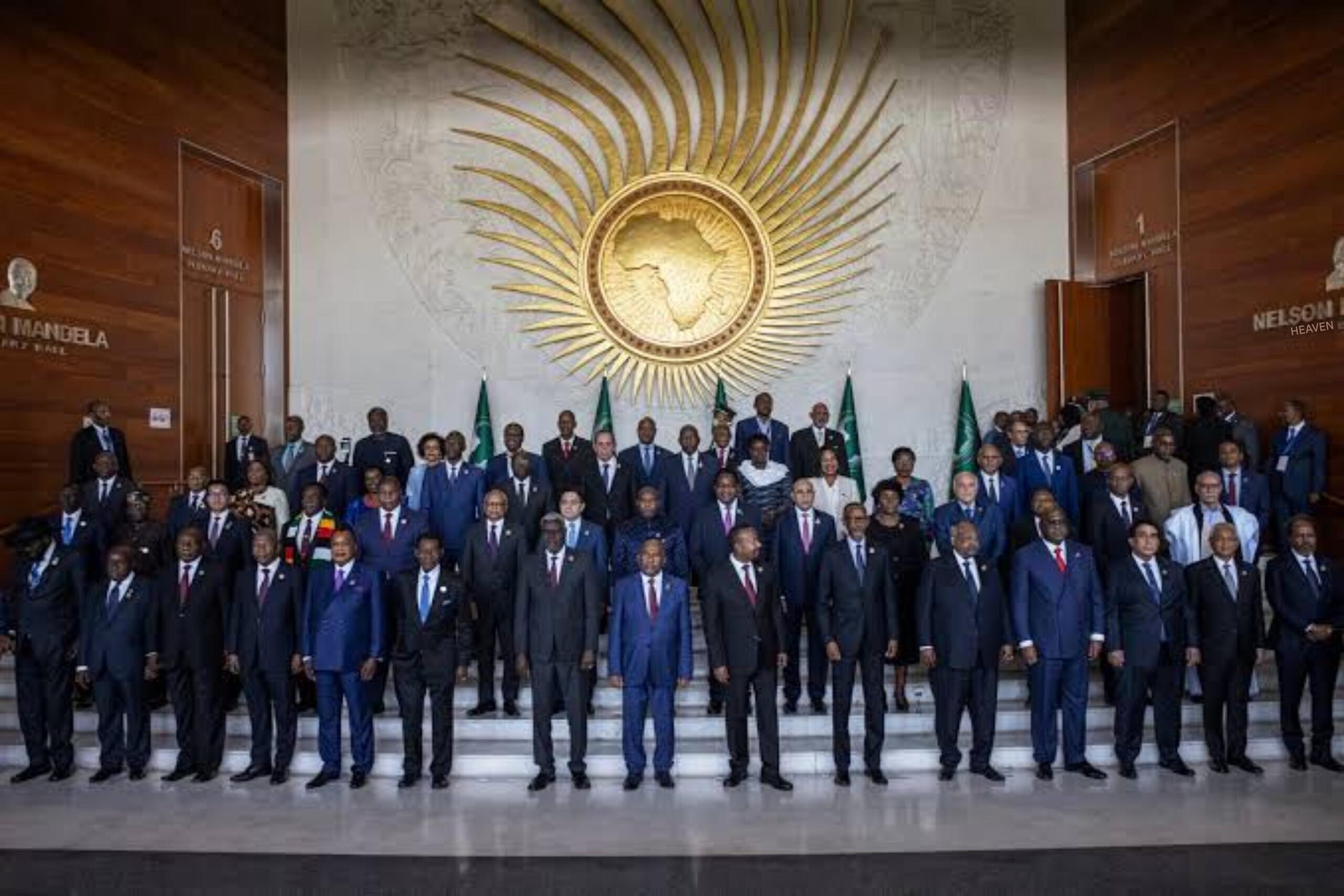
African economies face the risk of a sharper growth slowdown this year if the war in the Middle East drags on, with prolonged disruption to trade, energy and fertiliser supplies threatening to ripple across the continent, according to a report released on Thursday.
The report by two U.N. agencies, the African Union and the African Development Bank said African economies could lose 0.2 percentage points of GDP growth in 2026 if the conflict lasts more than six months.
“The longer the conflict lasts and the more severe the disruption to shipping routes and energy and fertiliser supplies, the greater the risk of a significant growth slowdown across the continent,” the report said. It was presented at the U.N.’s Economic Commission meeting in Tangier.
The report did not quantify the likely impact on inflation but warned the conflict could quickly turn into a cost-of-living crisis across Africa through higher fuel and food prices. It said some African states could be hit harder by fertiliser shortages than by higher oil prices.
“Disruptions to Gulf liquefied natural gas (LNG) supply would affect ammonia and urea production, raising fertiliser costs and constraining supply during the crucial March-to-May planting season,” it said.
The Middle East accounts for 15.8% of Africa’s imports and 10.9% of its exports, the report noted.

A “few countries”, such as oil producer Nigeria and LNG exporter Mozambique, would benefit from higher prices, it said.
Rerouted transport is already increasing traffic through the Port of Maputo in Mozambique, Durban in South Africa, Walvis Bay in Namibia, and Mauritius, according to the report.
“In East Africa, Kenya is emerging as a logistics hub through Lamu Port and Nairobi, while Ethiopia is benefiting from its role as the emergency air bridge linking Asia, Africa, and Europe through Ethiopian Airlines,” it said.
“A wider Middle East conflict could intensify competition for influence in Africa especially with the United States, Gulf states, China, Russia, Iran, and (Turkey),” the report said, adding that heightened geopolitical tensions would raise the cost of humanitarian deliveries in Sudan and the Horn of Africa.
With African growth still sluggish and debt levels high, the report urged governments to strengthen domestic revenue collection, coordinate fuel procurement and establish emergency food corridors, while saving windfall oil revenues and deploying targeted social protection measures.
Claver Gatete, the executive secretary of the U.N. Economic Commission for Africa, which co-authored the report, told journalists it was too early to quantify the impact of the war on African inflation and growth, or to determine which countries and sectors would be worst hit by the current crisis.
-

 News19 hours ago
Cardoso formally receives Central Bank of the Year Award
-

 Economy19 hours ago
Nigeria’s Digital Boom needs nuclear power partnerships for long-term success
-
Uncategorized19 hours ago
June 12 Democracy Day declaration not enough, as citizens wallow in pain – ActionAid, FG declares Friday public holiday
-
 Oil and Gas19 hours ago
NNPC is house of thieves, fraud; Kyari must be arrested dead or alive to account for N210 trillion—Oshiomhole
-
 Oil and Gas19 hours ago
Dangote Refinery seeks $1bn private placement ahead of planned listing
-
 News19 hours ago
Middle East Conflict sends global growth to lowest rate since COVID-19, WBG to Provide up to $100bn for Affected countries over 15 Months—WBG
-

 News19 hours ago
High cost of cooking gas‘ll negatively impact environment, health, CPPE warns