
Economy
Nigeria need additional tax policy measures, National poverty line hits 63—IMF

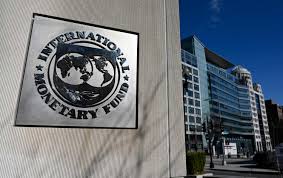
International Monetary Fund has said that Nigeria’s strong reforms over the past three years have yielded improved macroeconomic outcomes and built resilience. Still, conditions for many Nigerians remain difficult.
According to the IMF in its Article IV report “poverty reached 63 per cent, national poverty line, and 27 million Nigerians are estimated to have faced food insecurity in the fall of 2025.
“Executive Directors agreed with the thrust of the staff appraisal. They commended the authorities’ reforms over the past three years that have strengthened macroeconomic stability and resilience.
“Directors cautioned that conditions remain difficult for many Nigerians, with poverty and food insecurity likely to worsen in the current external environment.
“Tight macroeconomic policies and continued reforms supported by technical assistance from the Fund and other partners will be crucial to preserve stability and boost inclusive growth.
“Directors called for a neutral fiscal stance in 2026 to support macroeconomic stability and disinflation, while protecting priority and social spending.
“Higher global fuel, food and fertilizer prices will improve exports and fiscal revenues, but also give rise to inflationary pressures, potentially aggravating poverty and food insecurity.
“Growth is estimated at 4 per cent in 2025 and projected at 4.1 per cent in 2026, as headwinds from higher food and transport costs weigh on economic activity.

“After being on a declining trend for over a year, inflation nudged up to 15.4 percent year-on-year in March 2026 as the jump in international fuel and food prices started hitting Nigeria.
“While the external shock to fuel and food prices will push up inflation in the short run, the disinflation path is projected to continue in the second half of the year.
“Gross international reserves increased to $46 billion in 2025 from $40 billion at end-2024, supported by the current account surplus, net purchases of central bank open market operations by non-residents, and a Eurobond issuance. Net international reserves increased to $35 billion at end-2025 from US$23 billion at end-2024.
“The overall deficit of the consolidated government is estimated to have increased to 4.4 percent of GDP in 2025. While non-oil revenues were on target, oil revenues fell short of budget expectations.
“The shortfall was offset by under execution of reported capital expenditures, while some additional capital spending that took place outside the budget perimeter has now been included in the budget through the repeal and reenactment bills.
“Risks to the outlook come from the uncertain global environment, in particular the outlook for fuel and food prices.
“The domestic security situation is another risk to people and economic activity. On the upside, quick gains on revenue mobilization would create additional budget space for growth-enhancing priority spending.”
-

 Oil and Gas1 day ago
Oil prices fall 2% on hopes for US-Iran conflict easing
-

 Stock Market1 day ago
Nigerian equities market closed on a bullish note, marginal fall in average yield
-
 Finance1 day ago
Currency outside Nigerian banking system drops to N4.92trn in June
-

 News1 day ago
Paris Club Refund: ALGON, LGAs urge court to dismiss lawyer’s suit
-

 News2 hours ago
PwC, EY jointly command an estimated 35.9% of Nigeria’s corporate audit market in 2025`
-
 Oil and Gas2 hours ago
Internal documents show Shell’s role in oil theft, environmental damage across Niger Delta
-
Oil and Gas2 hours ago
Oil jumps 7% on escalating Middle East airstrikes
-

 Economy1 day ago
S&P Global to buy majority stake in Agusto & Co ratings agency