
Agriculture
Lagos traders, consumers count losses from spoilt fruits, vegetables

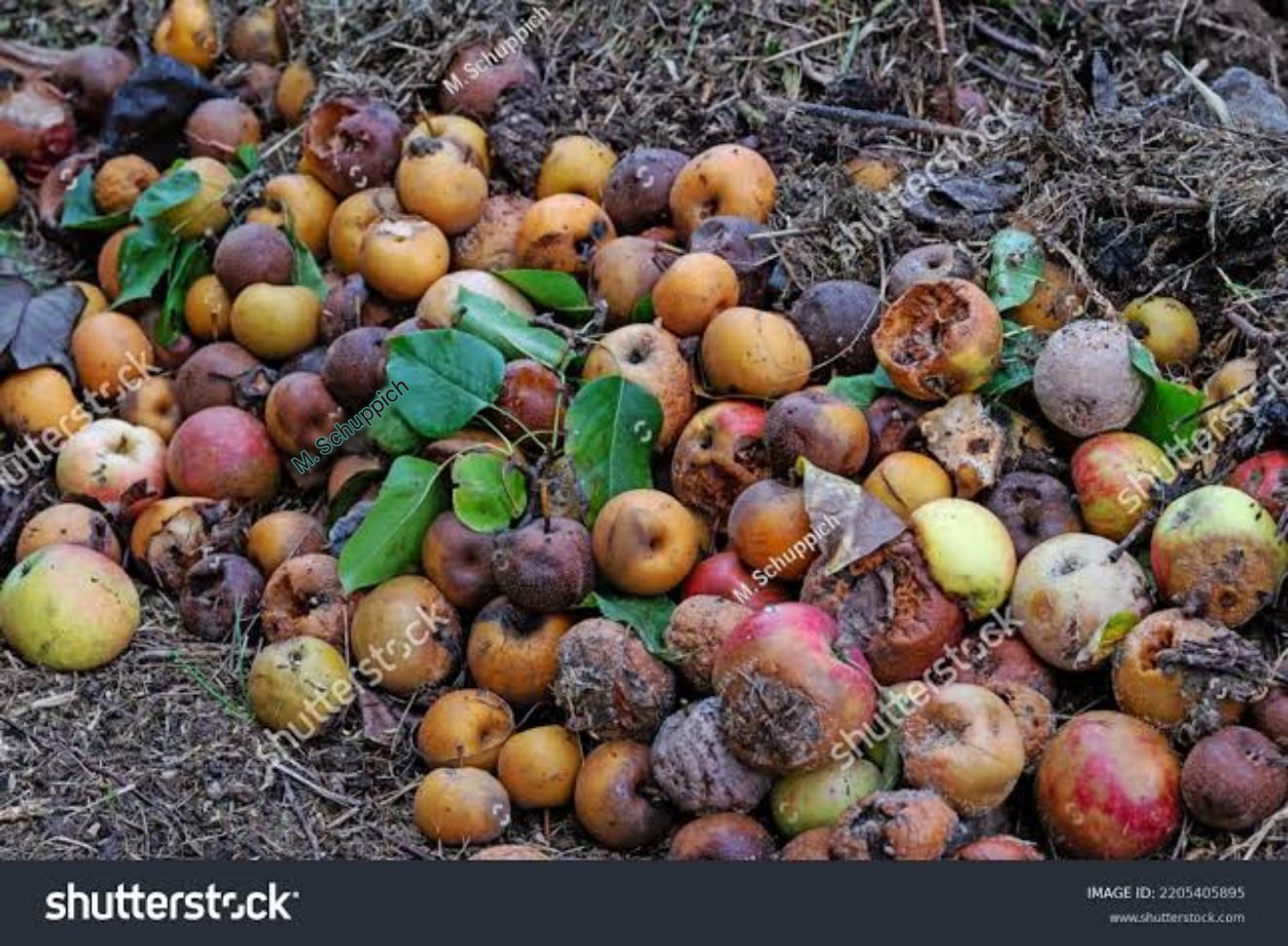
Traders and consumers in Lagos, expressed concern over losses caused by spoilt fruits and vegetables, blaming the problem on heat, poor transportation and inadequate storage facilities. They spoke in separate interviews with the NAN at Iddo Terminus, Mile 12, Balogun and Agboju markets
A visit to the markets showed traders displaying fresh produce, including carrots, cucumbers, watermelons, cabbage, bananas and leafy vegetables, while some kept their goods under tables to shield them from sunlight.
Mr Taiwo Abdulhamid, a trader at Iddo Terminus Market, said he sometimes lost two to three kilogrammes of carrots from every 10 kilogrammes purchased.
Abdulhamid said the losses could cost him between N20,000 and N30,000, forcing him to discard spoilt produce or increase prices to recover part of his money. Similarly, Mrs Mistura Olawale, a banana and pawpaw seller, said she lost about 10 per cent of her goods to spoilage before they reached the market.
Olawale attributed the losses to bad roads, poor transportation and overripe produce, calling for improved feeder roads and refrigerated transit vans.
At Mile 12 Market, Mr Rafiu Olamide, a seller of ugu and waterleaf, said more than 15 per cent of his vegetables sometimes spoilt within one or two days.
Olamide said vegetables worth about N80,000 could result in losses exceeding N10,000, adding that she sometimes sold slightly damaged produce at reduced prices. Mrs Blessing Sunday, a banana seller at Balogun Market, Eko Idumota, said she sometimes lost bananas worth about N100,000 from a batch.
Sunday, who spends N300,000 or more purchasing bananas in batches, said intense sunlight contributed to spoilage and could take one to two weeks to sell her stock. She said selling groundnuts alongside bananas helped cushion the losses, adding that she hesitated to complain to suppliers about damaged fruits for fear of losing their patronage.
Mr Shuaibu Tukur, a carrot seller at Carrot Site, Mile 12, said transportation challenges affected the quality of supplies sourced from Ivory Coast, Cameroon, Bauchi, Jos and Sokoto. He said journeys from Sokoto to Lagos could take about 20 hours under favourable conditions but extend to two days, depending on road conditions. Mr Aminu Usman, a tomato seller at Mile 12 Market, said overcrowding during transportation caused tomatoes to press against one another and break.

Usman said carefully selected tomatoes sold for about N45,000, while damaged or less visually appealing ones, locally called “Eesha”, sold for about N19,000. He called for improved transportation and handling practices to reduce breakages and financial losses. Beyond traders’ losses, consumers said spoilage often forced them to discard food purchased with money they could ill afford to waste.
Mrs Yusuf Halima said she could lose between N15,000 and N25,000 worth of fruits and vegetables monthly, particularly tomatoes and leafy vegetables. “Sometimes, I buy N5,000 tomatoes hoping they will last me for two weeks if I blend and store them, but if there is no light for two days, my freezer defrosts and everything spoils,” she said.
Halima said she now bought produce in smaller quantities, adding that traders sometimes raised prices to recover losses from damaged goods.
Another consumer, Mr Joshua Edward, said he discarded between 20 and 30 per cent of the fruits and vegetables he purchased weekly. “If I buy vegetables or fruits for N10,000 weekly, at least N2,000 to N3,000 worth goes to the bin because it wilted, grew mould or started smelling,” he said.
Edward said the experience had reduced his bulk purchases, in spite of additional transportation costs from visiting markets more frequently.
Ms Precious Taiwo, a consumer at Gate 3, Mile 12, said she had lost about N6,000 to spoilt mangoes and bananas, discouraging her from buying fruits as frequently. Ms Eunice Tosin, a student interviewed at Agboju Market, Festac, said tomatoes and bananas sometimes spoilt shortly after purchase, forcing her to cut off affected portions.
Mrs Onoseme Paulina, a consumer at Iyana Oba, said carrots sometimes deteriorated by the following day, causing losses of about N500 on some occasions. Paulina expressed concern that some sellers concealed deteriorating carrots beneath fresh ones, adding that she discarded affected produce because of safety concerns. Mr Eddy Oloye, an engineer and farmer with a personal farm in Lusada, Agbara, said inadequate storage, poor transportation and ineffective preservation methods contributed to post-harvest losses.
Oloye said discarded produce also created environmental nuisance but could be reused as animal feed or processed into other products through effective recycling systems. He called for government and private-sector support for improved transportation, preservation facilities and training in proper produce handling. Ms Ebube Agbim, a vegetable seller on Joseph Lambo Street, Costain, said poor packaging and storage contributed to the deterioration of scent leaf, ugu and waterleaf.
Agbim estimated that affected vegetables could be worth about N3,000 daily, although her actual loss was approximately N1,500. Mr Jubril Useni, a trader at Small Garage, Mile 12, said heat, overcrowded vehicles and prolonged journeys sometimes damaged pepper, green pepper, ground beans and spring onions before they reached the market. The traders and consumers called for improved transportation, better storage and affordable preservation facilities to reduce waste, protect earnings and make fresh produce last longer. NAN
-

 News1 day ago
NDLEA seizes ₦7bn worth of tramadol at Lagos port, arrests octogenarian
-

 Stock Market4 hours ago
NGX opened opened the week on a negative note
-

 Economy1 day ago
Nigeria targeting 7% growth target above IMF projections, says Oyedele
-

 Economy1 day ago
Cardoso advocates sustained reforms, stability to strengthen investor confidence
-

 Oil and Gas1 day ago
51 African Nations participate in Dangote Refinery IPO
-

 Oil and Gas1 day ago
Makinde lied NLNG paid N9trn dividends to Tinubu govt— Presidency
-

 Economy4 hours ago
Nigeria’s capital importation hit $23bn, reserves surpassed $50bn—Minister
-

 News4 hours ago
Nigeria records 93% rise in AI micro-credential enrolments, 113% increase in critical thinking—Report