
Oil and Gas
Brent crude rises to $72 a barrel as oil prices climb

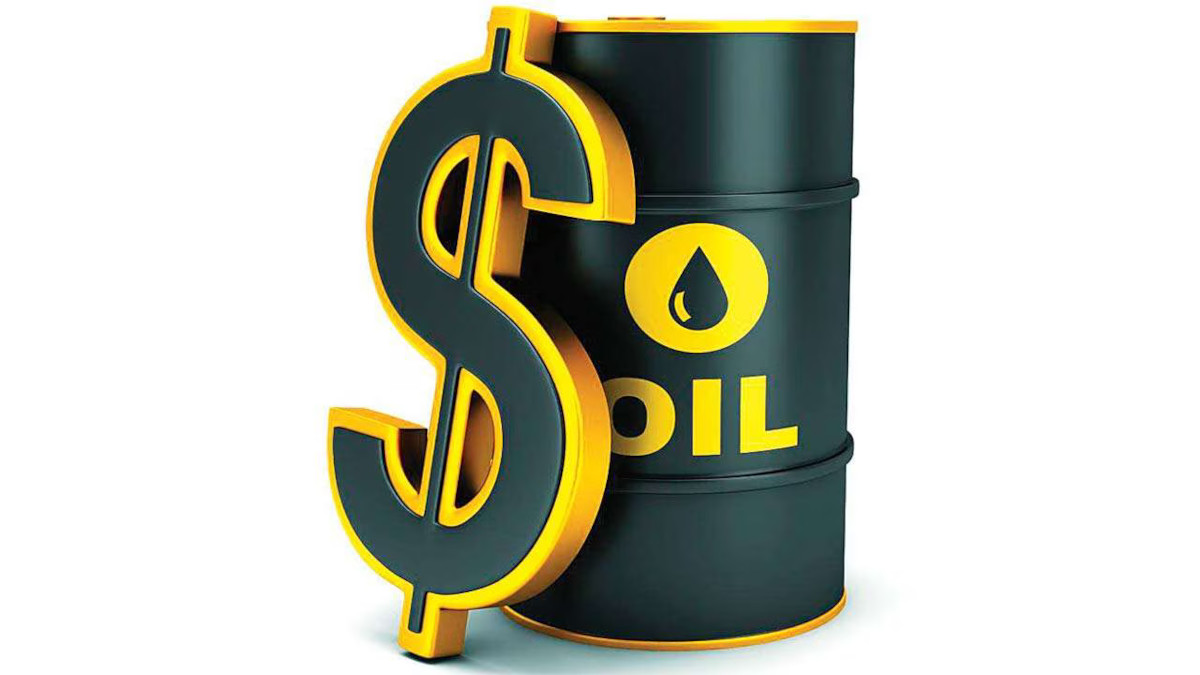
Brent neared $72 per dollar per barrel during early trading on Friday as crude oil prices adjusted upward amidst geopolitical uncertainties.
Oil prices are on track for a weekly increase on Friday, supported by lingering geopolitical uncertainty in the Middle East, although signs of softer demand capped further gains.
Trading data showed that Brent rose by 0.4%, to $71.91, while U.S. West Texas Intermediate crude gained 0.5% to $66.74. Prices wavered earlier in the week after US and Iranian officials signaled that negotiations over Tehran’s nuclear program would continue following indirect talks in Muscat, Oman’s capital.
US President Donald Trump described the discussions as “very good,” saying Iran had shown willingness to reach a new agreement. Iranian President Masoud Pezeshkian also characterized the talks as a step forward.
The diplomatic momentum eased concerns about potential disruptions from Iran, a major oil producer located along the Strait of Hormuz, a vital route for global crude shipments.
Still, the situation remains fragile. Trump said he was considering deploying a second aircraft carrier strike group to the region if talks fail.
“Either we will reach a deal, or we will have to take very tough measures like last time,” Trump said, adding he hoped a second round of talks would be held next week.
US and Iranian officials met in Oman on Feb. 6 and described the discussions as constructive. That lingering uncertainty has helped keep a geopolitical risk premium in prices, allowing oil to hold onto weekly gains. On the demand side, however, data pointed to softer consumption.
Data from the US Energy Information Administration showed commercial crude inventories rose by about 8.5 million barrels in the week ending Feb. 6, far exceeding expectations of a modest increase. Gasoline stocks also climbed, raising concerns about fuel consumption in the world’s largest oil consumer.
Economic signals from China, the second-largest oil consumer, added to the cautious tone. Consumer prices rose just 0.2% year-on-year in January, while producer prices fell 1.4%, highlighting ongoing deflationary pressure.
Analysts said the data suggested subdued spending and weak industrial momentum, which limited the upside potential for crude. Further dampening sentiment, the International Energy Agency revised down its 2026 global oil demand growth forecast by about 83,000 barrels per day.
The agency now expects demand to rise by roughly 849,000 barrels per day this year to 104.87 million barrels per day, citing seasonal weakness and a modest economic outlook.
Global demand typically dips in January, and the agency noted consumption fell by around 2.7 million barrels per day month on month during the period.
Despite those headwinds, geopolitical uncertainty has provided enough support to keep oil on track for a weekly gain. Trump said Thursday he expects a deal with Iran could take shape within a month, but warned that failure to reach an agreement would carry serious consequences.
Asked by a reporter at the White House about the timeline he envisions for a deal to be ironed out, the US president said, “I guess over the next month, something like that, should happen quickly.”
“We have to make a deal; otherwise, it’s going to be very traumatic, very traumatic. I don’t want that to happen, but we have to make a deal. They should have made a deal the first time.
“They got Midnight Hammer instead, and this will be very traumatic for Iran if they don’t make a deal,” he said, referring to US strikes on Iran’s nuclear facilities last June.
While stepped-up diplomacy has eased immediate fears of supply disruptions in the Middle East, traders remain cautious, balancing fragile negotiations against a cooling demand outlook.
-
 Oil and Gas2 days ago
Oil prices rise amidst geopolitical, geoeconomic concerns
-

 Economy2 days ago
Inclusive forex access will unlock regional trade growth—CBN
-

 Finance2 days ago
Portfolio flows surge to $6.01bn on the back of Nigeria’s elevated yield differentials
-

 News2 days ago
FG, AfDB Partner on Expanding Nigeria’s Fibre Network to 125,000km
-

 Uncategorized22 hours ago
Africa taps regional partnerships to turn critical minerals into economic powerhouse
-

 Finance2 days ago
BTC, ETH Selloffs Lock Global Crypto Market at $2.3trn
-
 Finance2 days ago
Ecobank Nigeria fully repays tendered $300m Eurobond notes
-

 Agriculture23 hours ago
FG engages stakeholders, promises to review shea butter ban