
Agriculture
AfDB approves $200m loan to boost Nigeria’s agricultural productivity

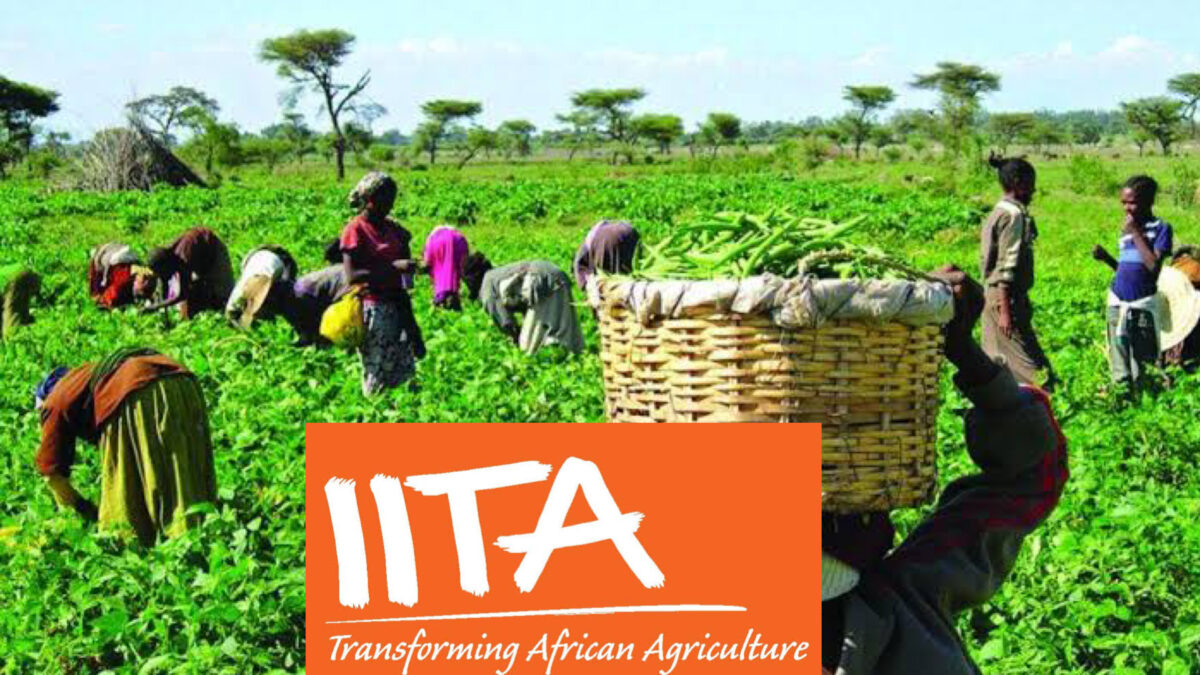
The board of directors of the African Development Bank Group has approved a $200 million loan to scale up priority agricultural investments in Nigeria, according to a statement on its website.
It said the financing would support the second phase of the federal government’s National Agricultural Growth Scheme-Agro-Pocket.
According to the statement, this aims at boosting productivity, strengthening value chains and accelerating climate-smart, data-driven farming.
“The approval follows earlier financing under the bank group’s African Emergency Food Production Facility and will contribute to implementing five programmes under the National Agricultural Technology and Innovation Policy.
“The programmes focus on improving access to quality agricultural inputs, strengthening value chains for priority crops, revitalising extension services, promoting digital and climate-smart agriculture, and enhancing agricultural data management.
“The funding is expected to raise staple crop production through climate-resistant, high-yield seed varieties and fertiliser blends tailored to local conditions. While expanding crop insurance coverage to protect farmers from climate-related losses,” the statement said.
The AfDB said the fund also targeted a fivefold increase in wheat production and a 20 per cent rise in rice output. According to the statement, this will strengthen national food self-sufficiency while encouraging youth participation in commercial farming.
The statement quoted Abdul Kamara, director general of the bank’s Nigeria Country Department, as saying that the second phase built on the strong results of phase one.

“Building on the strong results achieved under phase one, this second phase draws directly from those lessons and successes to scale up impact even further. By expanding access to quality inputs, digital tools, and climate-smart technologies, we are supporting farmers to improve productivity and resilience.
“This programme will continue to play a critical role in reducing food imports, boosting local production, and advancing inclusive growth across the country,” Mr Kamara said.
Phase one featured an ICT-based system that delivered quality seeds, pesticides and fertiliser to farmers through more than 600 agro-dealers nationwide.
It also supported the cultivation of 118,000 hectares of wheat in the 2023/2024 dry season, tripling national wheat output to an estimated 0.5 million metric tonnes in 2024, with 650,000 smallholder farmers benefiting so far.
Agriculture employs about 38 per cent of Nigeria’s workforce and contributes 25.2 per cent to Gross Domestic Product, but the sector faces low productivity due to limited access to quality inputs, inadequate irrigation and climate challenges.
The four-year project, scheduled to begin in March, aligned with the bank group’s strategic vision to empower young people and women through technology and financial support. NAN
-

 Maritime14 hours ago
NIMASA, ITF signs MOU on Seafarer wellbeing, MoU First in Africa—ITF
-

 Economy14 hours ago
Nigeria Sovereign Investment Authority announces winners of $275,000 prize for innovation
-

 Finance14 hours ago
Airtel Money reports 25% growth in first-half revenue in maiden results
-

 Oil and Gas14 hours ago
Honeywell Technologies launches new AI platform at Dangote’s Nigeria refinery
-

 Economy14 hours ago
FG targets single-digit inflation by end-2027 to unlock cheaper borrowing— Oyedele
-

 News14 hours ago
EFCC arrests 14 Chinese nationals in Nigeria for operating illegal lithium processing plants
-
Economy2 days ago
Finance minister seeks support for SME to drive Nigeria’s economic growth
-

 Finance2 days ago
CBN grants JPMorgan approval-in-Principle to establish Merchant Bank in Nigeria