
News
Children’s Day: Poverty, poor policies hurting Nigerian youths, experts say

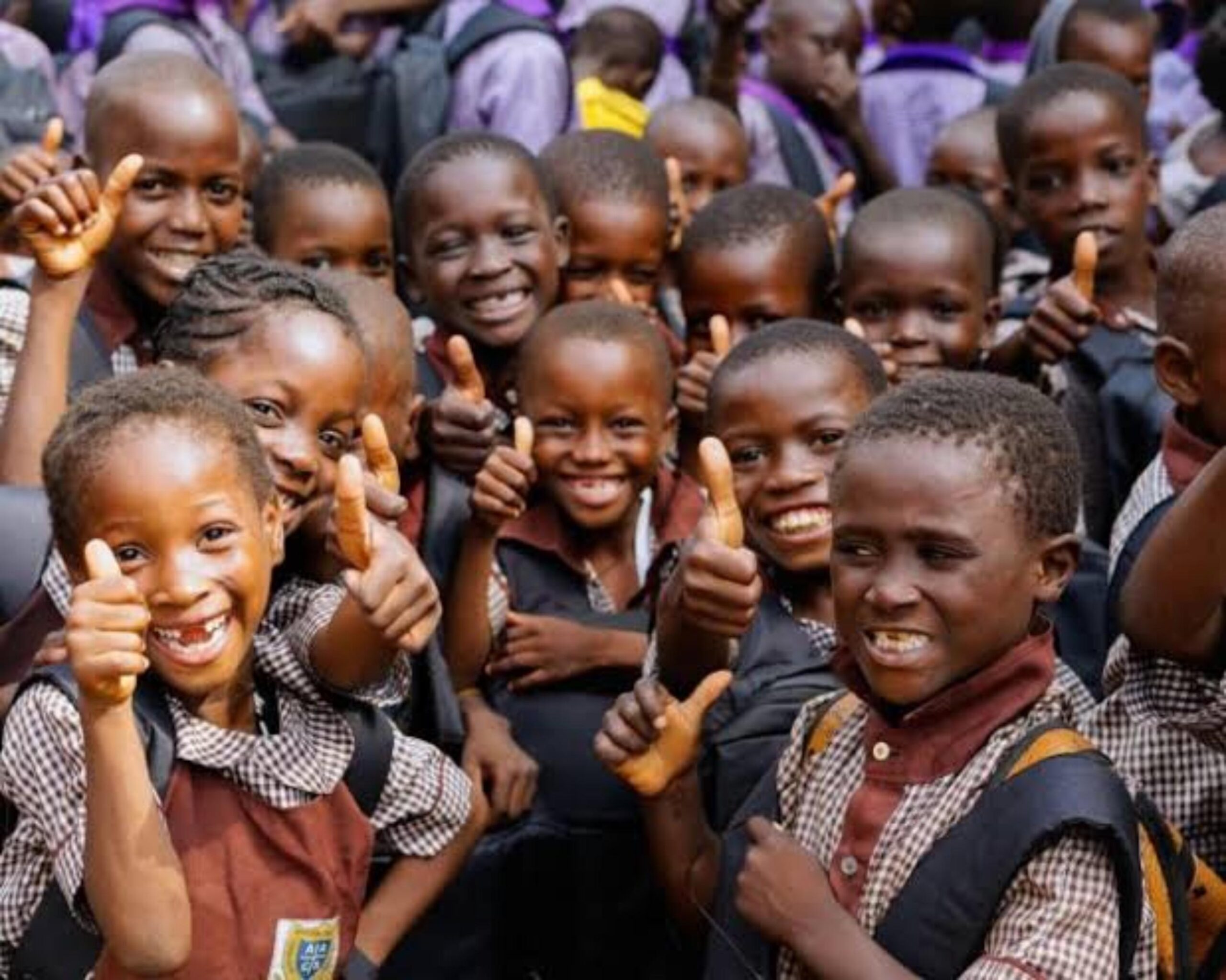
Education and development experts have expressed concern over the worsening plights of Nigerian children, citing insecurity, poverty, climate risks and poor educational policies as major threats to their future.
The experts spoke in separate interviews in Ibadan on Wednesday to commemorate the 2026 Children’s Day.
An education evaluation expert at the University of Ibadan, Adams Onuka, said education remained the most critical tool for making Nigerian children globally competitive.
According to him, a conducive learning environment, adequate infrastructure, and good character formation are necessary to secure children’s future.
Mr Onuka said the responsibility for building a better future for children should not rest solely on the government, noting that parents, teachers, religious leaders and society all have roles to play.
He lamented the erosion of moral values in society, saying children often learn negative behaviours from adults.
Ebenezer Obideyi, head of teacher at Teacher! Teacher!! Learning Resources identified insecurity, economic hardship and climate change as major factors threatening children’s education in the country.
Mr Obideyi said insecurity across different parts of Nigeria has discouraged many parents from sending their children to school. He said that the worsening economy is forcing many children away from education and into labour and street trading.
According to him, climate change has further compounded the challenges facing children, citing the Children’s Climate Risk Index, which ranks Nigerian children second among the most vulnerable globally.
“These issues destroy homes, schools and infrastructure, disrupting learning and increasing dropout rates. Climate risk is no longer just an environmental issue; it is now an education issue, a development issue and a future-of-the-child issue,” he said.

Mr Obideyi called for greater investment in quality education and safer learning environments to protect children from the combined effects of insecurity, poverty and environmental hazards.
Similarly, an organisational development expert, Yemi Osanyin, described the condition of Nigerian children as pathetic, warning that the country risks a bleak future if urgent steps are not taken.
Mr Osanyin said that the growing number of out-of-school children reflected Nigeria’s failure to prioritise education.
According to him, millions of children, who should be in school, are instead roaming the streets, begging or being recruited into criminal activities.
“There is a strong relationship between education and the ability of a child to make informed decisions and build a meaningful future,” he said.
He criticised inconsistent educational policies, weak programme implementation and poor funding of public schools.
Mr Osanyin also identified poverty and insecurity as discouraging parents from enrolling their children in schools.
He urged the government, parents, religious leaders and other stakeholders to work together to address the challenges confronting Nigerian children.
The experts unanimously called for practical, sustained reforms to improve access to quality education and secure a better future for children in Nigeria. NAN
-

 News17 hours ago
Cardoso formally receives Central Bank of the Year Award
-

 Economy17 hours ago
Nigeria’s Digital Boom needs nuclear power partnerships for long-term success
-

 Oil and Gas18 hours ago
NNPC is house of thieves, fraud; Kyari must be arrested dead or alive to account for N210 trillion—Oshiomhole
-

 Oil and Gas18 hours ago
Dangote Refinery seeks $1bn private placement ahead of planned listing
-
Uncategorized17 hours ago
June 12 Democracy Day declaration not enough, as citizens wallow in pain – ActionAid, FG declares Friday public holiday
-

 News17 hours ago
Middle East Conflict sends global growth to lowest rate since COVID-19, WBG to Provide up to $100bn for Affected countries over 15 Months—WBG
-

 News17 hours ago
High cost of cooking gas‘ll negatively impact environment, health, CPPE warns