
News
FG to extend unspent 2026 capital budget to 2027, moves to end overlapping budgets

Federal government has advanced plans to harmonise the country’s budget, allowing outstanding capital expenditure balances from 2026 to be carried forward into 2027 as the Federal Government moves towards a single annual budget cycle.
The decision is part of efforts to align government spending with more realistic revenue and financing assumptions, improve budget implementation and strengthen fiscal discipline amid ongoing economic reforms.
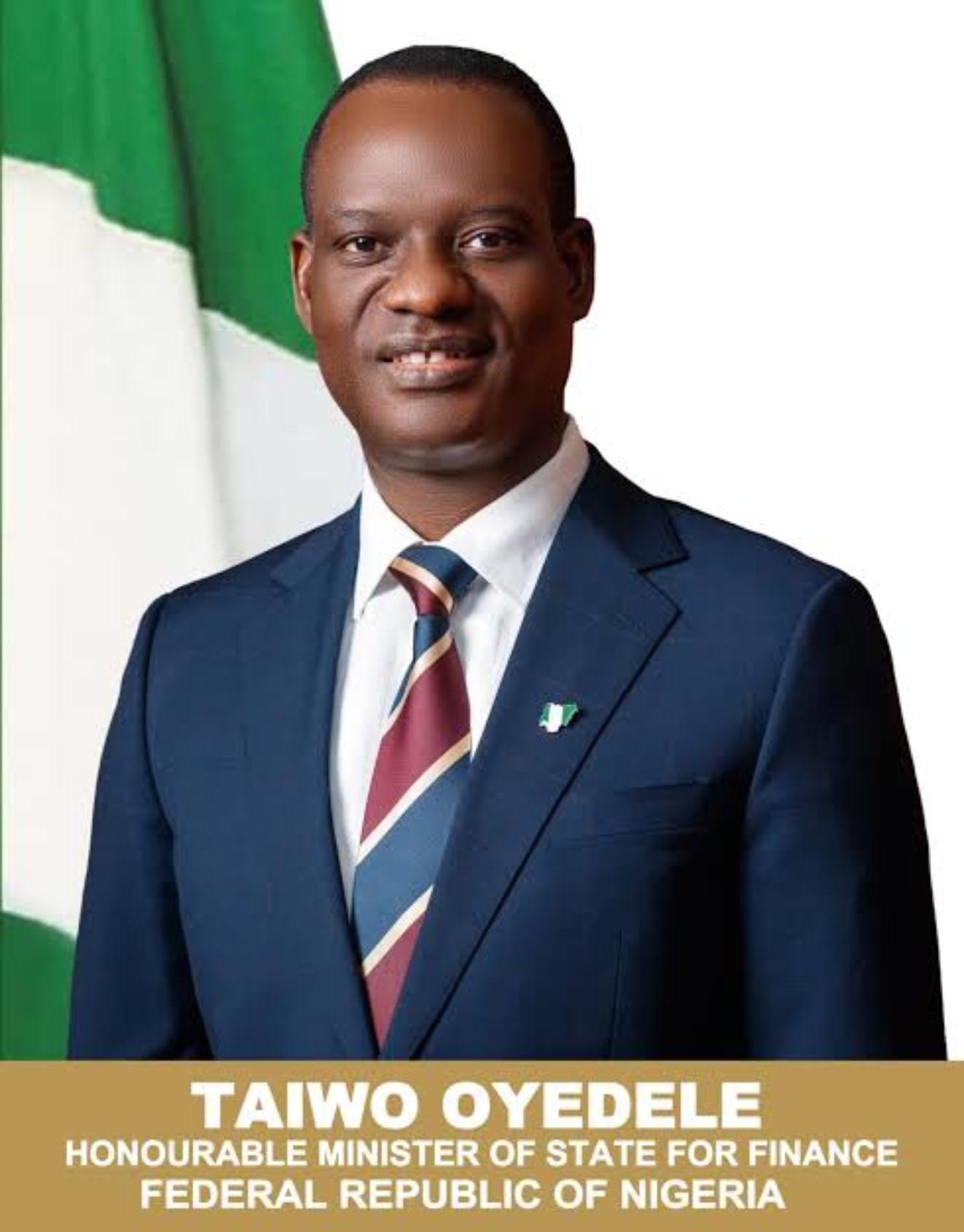
According to a statement released by the Federal Ministry of Finance on Friday, November 20, 2026, the Minister of Finance and Coordinating Minister of the Economy, Taiwo Oyedele, said this following the Economic Management Team (EMT) meeting held in Abuja on November 18, where members reviewed the country’s macroeconomic performance and ongoing fiscal reforms.
The proposed harmonisation is also expected to address challenges associated with overlapping budget cycles and improve the predictability of government spending.
“The EMT advanced work to harmonise and align the budget around more realistic revenue and financing assumptions, with plans to implement as much capital spending as possible in 2026 and carry forward outstanding balances into 2027, while moving Nigeria toward a single annual budget cycle going forward,” the statement read in part.
The meeting further reviewed progress on the 2027 Finance Bill, which is expected to introduce updates to Nigeria’s tax laws and further improvements to the ongoing tax reform programme.
The government said the reforms are intended to improve the ease of doing business, reduce borrowing costs and channel more financial-sector liquidity into the real economy.
Beyond fiscal policy, the meeting identified food security and price stability as major priorities under a 90-day action plan previously approved by the National Economic Council and endorsed by the Federal Executive Council.
The team discussed interventions aimed at stabilising the prices of essential food commodities, including cassava, yam, maize and rice.
Other measures include strengthening the delivery of agricultural inputs to farmers, reducing post-harvest losses and improving the targeting of government support to the agricultural sector.

The measures come amid efforts to address food inflation and improve the affordability and availability of staple foods across the country.
On the energy front, the EMT reviewed the national gas plan and the power sector’s 90-day action plan, which targets consistent grid distribution of about 5,500 megawatts in the near term.
The proposed interventions include improvements in transmission capacity, electricity metering and the protection of critical power infrastructure against vandalism and theft.
The meeting also considered the draft National Development Plan 2026–2036, which is structured around seven pillars covering macroeconomic stability, energy, industrialisation, infrastructure, governance, security and human capital development.
Members of the team were asked to undertake further reviews, with their feedback expected to be incorporated before the plan is formally launched.
The EMT also received updates on the creative economy and tourism sector, including progress on a creative economy bill before the National Assembly and plans to establish a Presidential Council on Tourism following approval by the Federal Executive Council.
A presentation on Nigeria’s new national digital addressing system was also considered.
The EMT also reviewed recent economic indicators, highlighting improved growth, easing inflation and stronger external reserves. The EMT said that Nigeria’s real gross domestic product GDP grew by 4.4 per cent in the second quarter of 2026, while headline and core inflation continued to moderate, with headline inflation falling to 14.06 % in October its lowest level in six years.
External reserves were estimated at approximately $55 billion, while the exchange rate was described as stable and appreciating. The team also noted improvements in Nigeria’s international credit standing, following positive outlook revisions by Moody’s and Fitch in 2026.
This followed S&P Global’s upgrade of Nigeria’s sovereign credit rating from B- to B in May 2026. The EMT stressed the importance of grounding public discussions about the economy and Nigeria’s credit ratings in verifiable data and evidence. It also disclosed that the Ministry of Finance is working to publish finalised financial and economic information on its website before the end of 2026.
-

 News18 minutes ago
Nigeria targets May 2027 for local passport production, to produce 6m passports yearly
-

 Economy24 hours ago
Afreximbank, NEXIM provide $30m facility to expand access to finance for Nigerian SMEs
-
 Stock Market23 hours ago
NGX All-Share Index declined by 0.02%
-
 Oil and Gas27 minutes ago
Oil prices set for third straight weekly decline on strong Middle East export flows
-

 Agriculture24 hours ago
AFAN seeks guaranteed minimum price to protect farmers from exploitation
-

 Oil and Gas32 minutes ago
Power generation for 220m Nigerians drops to 900 megawatts
-

 Finance29 minutes ago
Africa must connect payment systems to unlock cross-border trade – Gates Foundation
-

 News24 hours ago
FG, states, LGs share N2.44trn as oil, tax revenues decline