
Economy
How to respond to global energy shock, inflation—IMF/WBG panel

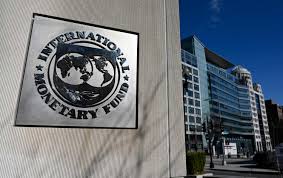
A panel of international policymakers at the Debate on the global economy at the ongoing IMF/World Bank Spring Meetings have assessed how best to respond to the global energy shock and resulting inflation—and what policies can help avoid even more pain.
Saudi Finance Minister Mohammad Al-Jadaan provided a reality check. “Anyone who’s counting on a quick recovery will need to recalculate,” he said.

Citing damaged oil and gas infrastructure, Thai Deputy Prime Minister and Finance Minister Ekniti Nitithanprapas agreed and said “I’m quite concerned this will not end soon.”
“One key issue is that this shock goes far beyond oil and gas. It affects supply chains for refined products and chemicals from the Gulf region, constraining essential industrial inputs from ethylene glycol to sulfuric acid, noted S&P Global President Martina Cheung.
With the war in the Middle East raising prices, Banque de France Governor Francois Villeroy de Galhau said it’s time to be clear on inflation targeting. “I commit today that we will bring back inflation to 2 percent in the medium term,” he said. “This is a very important cornerstone in the present uncertainty.”
IMF Managing Director Kristalina Georgieva agreed that central banks should pledge to protect price stability. On the fiscal side, policymakers should avoid making it worse by turning to policies that increase demand rather than shrink it. Pointing to record attendance at the Spring Meetings, she said “we know we have to engage; we know that finding solutions together is easier than doing it alone.”
Cornell University’s Eswar Prasad concurred, warning that countries shouldn’t become inward-looking at such a time. “We cannot go it alone,” he said. “What we really need is collective action.
-
 News2 days ago
NTDA, China partner to attract more Chinese tourists to Nigeria
-
 News2 days ago
BRICS pushes local currency trade to cut transaction costs
-
 Finance2 days ago
Subscribe to Dangote Refinery shares through Zenith Bank
-
 Finance2 days ago
PAPSS) targets accelerated adoption, transaction growth as network expands across Africa
-

 Maritime2 days ago
Aquatic life restored in Ogoni creeks—FG
-
 News2 days ago
AD Consulting, Ecobank bring Nigeria’s art, architecture icons together in “The Convergence”
-

 Tech23 hours ago
China rejects U.S. tech leaders’ calls to slow AI development over security risks
-
 Oil and Gas23 hours ago
Oil prices climb over 2% after strikes on Saudi pipeline and ships in Middle East