
Economy
Rising debt worries Nigerians as debt service gulped N1.99trn in 9 months

Nigeria’s rising debt profiles is giving some policy makers sleepless night as the amount used to servicing debt between January and September 2020, has cost not less than N1.99 trillion leaving less for developmental projects. The figures are according to the Debt Management Office (DMO) data. The DMO showed that the country’s total public debt stock increased by N1.21 trillion in 2020 Q1 to N32.22 trillion amid revenue shortfalls. The debt stock is made up of the domestic and external debt stocks of the Federal Government, the 36 state governments, and the Federal Capital Territory (FCT).
“The FGN, state governments, and the FCT all recorded increases in their debt stock due to borrowings to enable them to respond appropriately to the COVID-19 pandemic and to meet revenue shortfalls,” the debt office said. Out of the N1.99 trillion spent on debt service during the period under review, as seen on stated on the DMO website, a total of N1.53 trillion was spent on domestic debt service while N467.44 billion was spent on external debt service payments.
Domestic debt service gulped N609.13 billion in the first quarter of 2020; N312.81 billion in the second quarter, and N604.19 billion in the third quarter. Similarly, external debt service payments stood at N170.60 billion in Q1; N103.62 billion in Q2, and N193.22 billion in Q3. Meanwhile, the Central Bank of Nigeria (CBN) had recently expressed concern over the rising cost of debt service being incurred by the Federal Government. The CBN, in its half-year 2020 economic report, said the trajectory of the Federal Government’s debt further constrained fiscal policy during the period, as interest payment obligations amounted to N1.15tn in the first half of 2020.
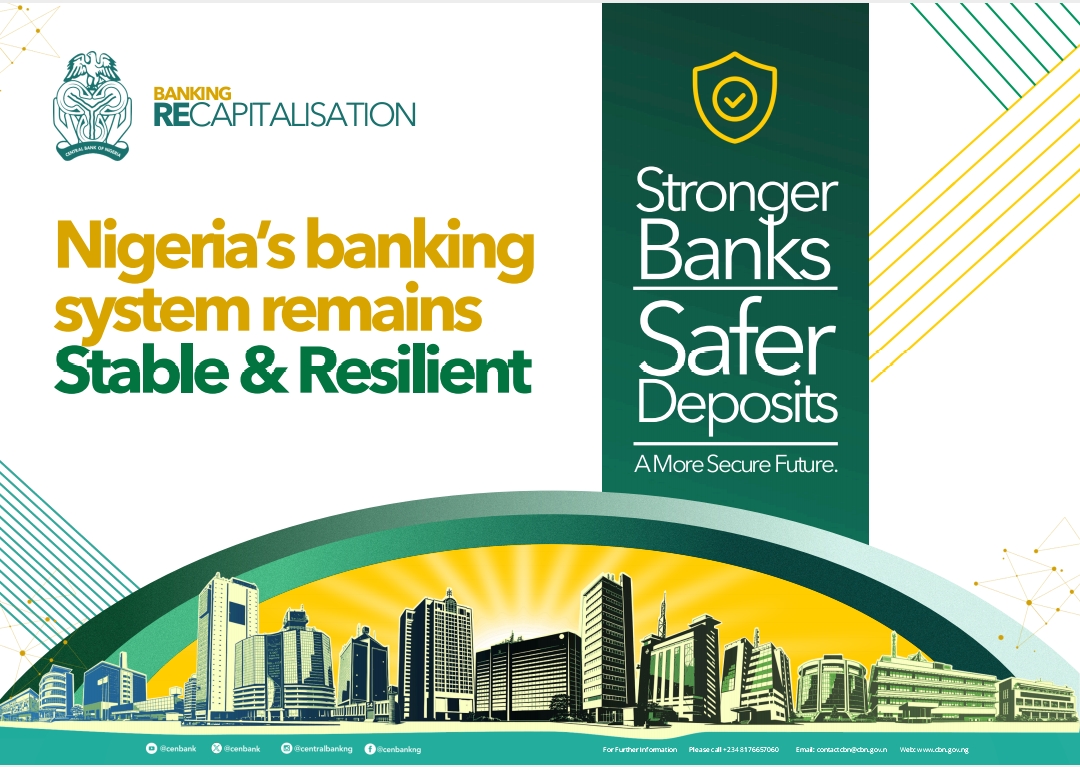
“This suggested that despite the subsisting revenue challenge, which was exacerbated by COVID-19, the larger proportion of FGN revenue was devoted to debt service,” it said. The apex bank said at 19.2 percent, the debt-to-GDP ratio indicated a solvency position of the government.
“However, the rising cost of debt service underscores a precarious liquidity position that could impair the government’s fiscal space, as well as its growth objectives,” it added.
-

 News1 day ago
Cardoso formally receives Central Bank of the Year Award
-

 Finance2 hours ago
Elon Musk becomes world’s first trillionaire as SpaceX shares soar on stock market debut
-

 Economy1 day ago
Nigeria’s Digital Boom needs nuclear power partnerships for long-term success
-
 Stock Market1 hour ago
FG to raise N4trn bond to settle electricity debt
-
 Oil and Gas1 day ago
NNPC is house of thieves, fraud; Kyari must be arrested dead or alive to account for N210 trillion—Oshiomhole
-
 Oil and Gas1 day ago
Dangote Refinery seeks $1bn private placement ahead of planned listing
-
Uncategorized1 day ago
June 12 Democracy Day declaration not enough, as citizens wallow in pain – ActionAid, FG declares Friday public holiday
-
 News1 day ago
Middle East Conflict sends global growth to lowest rate since COVID-19, WBG to Provide up to $100bn for Affected countries over 15 Months—WBG