
News
We now spend over half of our salary on transportation, Nigerian workers lament

Across-section of Nigerian workers on Friday in Abuja expressed growing frustration over the increasing cost of transportation, attributing it to the persistent rise in fuel prices.In separate interviews, the workers decried the impact of high transportation costs on their finances and overall well-being.Godson Anosike, a dentist, noted that his regular route to work now costs N500, up from N200 a year ago.“The difference is staggering, and it has drastically affected my daily expenses,” said Mr Anosike.
Mr Anosike decried that salaries have remained stagnant despite the steep increase in transportation costs, adding, “And it’s tough.”Ubokabasi Ekam, an engineer, called for fuel price control to reduce transportation fares. “Transportation prices have tripled, making it unmanageable,” said Mr Ekam. Ubong Udoekpo, a lawyer, said transportation now consumes more than half his salary.
“Most workers consider resigning due to unsustainable salaries.” Joy Light, a civil servant, stated that transportation expenses equal her salary. “I’ve had to reduce my workdays. How can one survive if all the money earned goes to transport?” The workers emphasised that the fuel hike has triggered a ripple effect across the economy, driving up prices of essential goods and services. (NAN)
-
 Oil and Gas23 hours ago
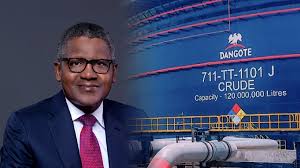
Dangote refinery boosts exports to ease Africa’s supply crunch
-

 News23 hours ago
FG uncovered 45,000 ‘ghost workers’ with BVN integration – Kemi Adeosun
-
 Economy23 hours ago
FG raises 2026 borrowing plan to N29.20 trn as deficit widens
-

 News23 hours ago
Substandard Products: FCCPC widens net to electrical, building materials
-

 News24 minutes ago
Nigeria’ business environment shows a weaker performance in March—NESG
-

 Economy22 minutes ago
Afreximbank sets out $10 bn support plan to ease Middle East conflict impact in Africa and Caribbean
-

 Oil and Gas20 minutes ago
Physical oil prices hit record highs near $150 a barrel as Hormuz crisis worsens
-
 Economy18 minutes ago
World Bank says Nigerian economy to grow in 2026 but Iran war lifts inflation