
Oil and Gas
Floating Liquefied Natural Gas positions Africa as rapid, cost‑effective solution to Europe’s gas crunch

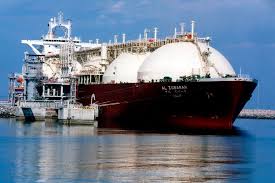
Europe is facing renewed gas supply pressure. Disruptions in the Strait of Hormuz and ongoing EU efforts to reduce reliance on Russian gas have exposed vulnerabilities in global LNG markets, driving up spot prices.
In this context, Africa’s growing LNG export capacity – particularly via floating liquefied natural gas (FLNG) technology – offers a timely, cost-efficient solution to bridge supply gaps, deliver volumes quickly, and attract international investment.
The Invest in African Energy (IAE) Forum, taking place in Paris next month, provides investors direct access to projects, operators and policymakers – making it the premier platform for engaging with Africa’s LNG sector.
FLNG integrates liquefaction facilities on mobile offshore vessels, bypassing the need for large onshore infrastructure and long construction timelines.
These modular assets can be deployed rapidly, cutting years off project schedules and reducing upfront capital intensity compared with conventional LNG plants. Africa’s offshore gas basins – abundant but historically underdeveloped – are ideal candidates for FLNG deployment, allowing producers to deliver export volumes to global buyers at pace with demand.
The Republic of Congo offers a compelling case study. Operated by Italian energy major Eni, the Congo LNG project has leveraged sequential FLNG units to build export capacity quickly.

The first unit, Tango FLNG, began operations in late 2023, followed by Nguya FLNG in late 2025, bringing total liquefaction capacity to roughly 3 million tons per year, or about 4.5 billion cubic meters of gas annually.
Phase 2 exports from Nguya began in early 2026 ahead of schedule, highlighting the speed and flexibility FLNG offers compared with traditional onshore facilities. Congo’s Minister of Hydrocarbons, Bruno Jean-Richard Itoua, has been confirmed to speak at IAE 2026 and is expected to showcase the country’s rapidly expanding LNG capabilities.
Beyond Congo, other African FLNG initiatives are gaining momentum. Mozambique’s Coral South FLNG has shipped over 100 LNG cargoes to European markets since 2022. Its follow-on project, Coral North, backed by major international financing, is expected to nearly double Mozambique’s offshore LNG capacity in the coming years.
For investors and policymakers, FLNG’s appeal extends beyond speed. Floating infrastructure minimizes onshore footprint, lowers permitting risk, simplifies logistics in deepwater settings, and allows phased capacity growth tied to field development. This reduces project risk, improves economics and aligns capacity expansions with offtake agreements.
The IAE 2026 Forum enables stakeholders to access active projects, negotiate partnerships and commit capital to development-ready LNG supply chains. As Europe seeks to diversify its gas import portfolio in response to geopolitical risk, Africa’s FLNG capacity represents both a strategic energy solution and a compelling investment frontier for 2026 and beyond. Reuters
-

 Economy2 days ago
72% of world trade still operates under WTO— Okonjo-Iweala
-

 News2 days ago
Northeast Development Commission distributes 10,000 e-vehicles to beneficiaries
-

 News2 days ago
Wike seeks N400bn to complete Abuja millennium tower
-
 Economy16 hours ago
FG rolls out plan to strengthen power supply
-

 News2 days ago
Subsidy savings spent on debt servicing, higher spending—Oyedele
-
 Oil and Gas2 days ago
Olugboboro community expresses worry over Oando Plc’s decision to halt reclamation project
-

 News16 hours ago
US bans imports from 43 more companies over China’s alleged forced labour
-
 News16 hours ago
Ban on sale of sachet alcoholic drinks remains—NAFDAC