
Agriculture
Nigeria to experience largest increase in food insecurity globally in 2026—Global Report

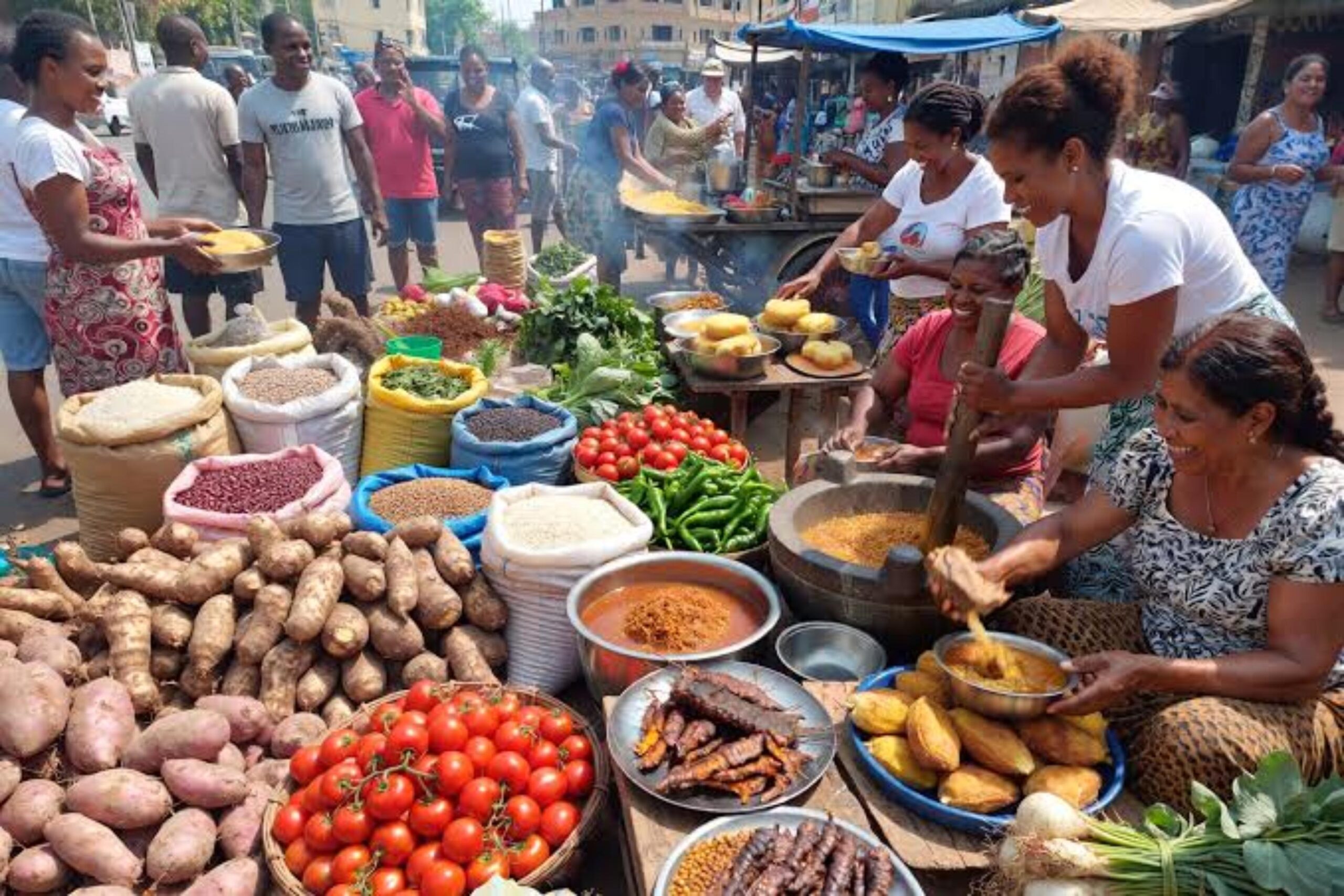
The 2026 Global Report on Food Crises, released on Friday, said that Nigeria is projected to see one of the largest increases in food insecurity in 2026, with 4.1 million more people expected to face acute hunger.
It said that even before the added stress of this latest war, West Africa and the Sahel looked likely to remain under heavy pressure this year from conflict and persistent inflation, particularly in Nigeria, Mali, Niger and Burkina Faso.
The report said that drought and shrinking aid will keep global hunger at critical levels in 2026.
The report said food insecurity is expected to worsen in some of the world’s most fragile countries.
The 10th edition of the hunger monitor, published by a coalition of development and humanitarian organisations, said that acute hunger had doubled over the past decade, with two famines declared in Sudan and Gaza in 2025.
In total, 266 million people in 47 countries and territories faced high levels of acute food insecurity in 2025, while 1.4 million people faced catastrophic conditions in parts of Haiti, Mali, Gaza, South Sudan, Sudan and Yemen.
In 2025 alone, 35.5 million children worldwide were acutely malnourished, including nearly 10 million suffering from severe acute malnutrition.
According to the report, the severity levels remained critical, with only Haiti expected to escape from the worst “catastrophic” band thanks to a slight improvement in security and increased humanitarian aid.

Alvaro Lario, head of the UN International Fund for Agricultural Development, which helps draw up the annual report, said, “We are no longer seeing just temporary shocks, but persistent shocks over time.
The main message is that food insecurity is not an isolated issue anymore, but is putting pressure on global stability.”
Mr Lario said the U.S.-Israeli war on Iran has added to the alarm, warning that prolonged disruption to energy and fertiliser trade could spill over into global food markets and worsen hunger in import-dependent countries already in crisis.
“Even if the conflict in the Middle East were to end right now, we know that a lot of the food price shocks and inflation will happen in the next six months,” he said.
That was the Department of Justice’s position on Thursday.
In East Africa, failed rains across much of the Horn of Africa are expected to deepen suffering in Somalia and Kenya, where drought, insecurity, high food prices, and reduced humanitarian aid are likely to worsen conditions.
The report also warned that humanitarian and development financing for food sectors in crisis fell sharply in 2025 and is projected to decline further.
Humanitarian food-sector funding is estimated to have dropped by some 39 per cent last year from 2024 levels, while development assistance contracted by at least 15 per cent. Reuters/NAN
-

 News15 hours ago
Cardoso formally receives Central Bank of the Year Award
-

 Oil and Gas15 hours ago
NNPC is house of thieves, fraud; Kyari must be arrested dead or alive to account for N210 trillion—Oshiomhole
-

 Economy15 hours ago
Nigeria’s Digital Boom needs nuclear power partnerships for long-term success
-
Uncategorized15 hours ago
June 12 Democracy Day declaration not enough, as citizens wallow in pain – ActionAid, FG declares Friday public holiday
-

 Oil and Gas15 hours ago
Dangote Refinery seeks $1bn private placement ahead of planned listing
-
 News15 hours ago
Middle East Conflict sends global growth to lowest rate since COVID-19, WBG to Provide up to $100bn for Affected countries over 15 Months—WBG
-

 News15 hours ago
High cost of cooking gas‘ll negatively impact environment, health, CPPE warns