
Oil and Gas
UAE’s exit from OPEC signals need to reassess Nigeria’s oil strategy, energy expert says

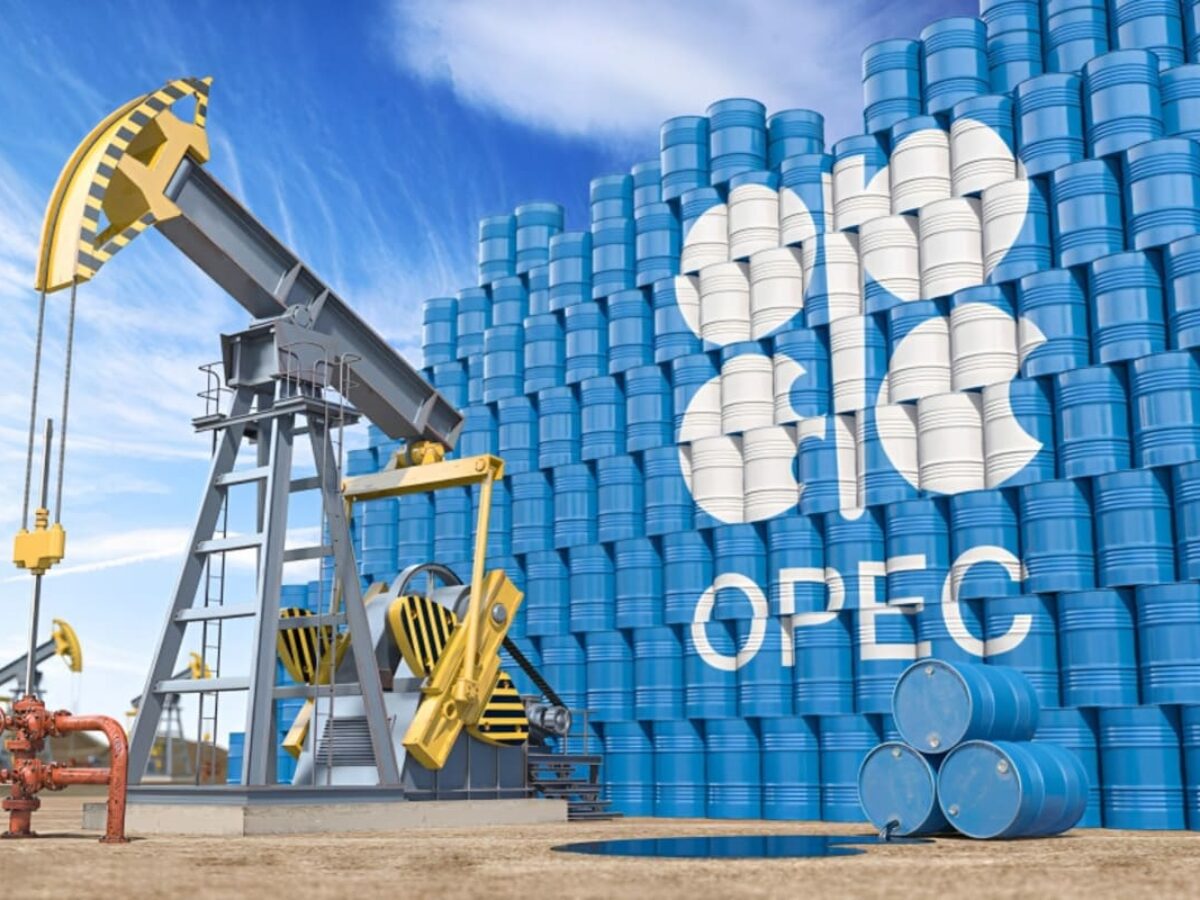
Billy Gillis-Harry, an energy expert, says the United Arab Emirates’ (UAE) exit from the Organisation of the Petroleum Exporting Countries (OPEC) signals the need for Nigeria to reassess its oil strategy and prioritise national economic interests.
Mr Gillis-Harry, who is also the National President, Petroleum Products Retail Outlets Owners Association of Nigeria (PETROAN), said this in an interview in Abuja on Sunday.
The UAE on Friday officially exited OPEC, aiming to prioritise national interests, maximise oil production, expand its market share and escape the production quotas imposed by the cartel.
The exit highlights emerging fractures within the oil alliance, leading to a series of departures by Qatar, Ecuador and Angola, and raising questions about the group’s long-term cohesion and influence in global energy markets.
Mr Gillis-Harry said the move underscored the importance of sovereign decision-making, noting that countries can reassess alliances when such arrangements no longer align with their economic aspirations.
He said the development validates PETROAN’s long-standing position, stressing that Nigeria should think beyond OPEC production quotas and target higher crude oil output to maximise value.
The expert said Nigeria should aim to ramp up production to about four million barrels per day while allocating a significant portion to domestic refining.
He said strengthening local refining capacity would position Nigeria as a net exporter of refined petroleum products, thereby boosting revenue and reducing dependence on imports.

Mr Gillis-Harry highlighted that such a strategy would enhance economic growth, create jobs and conserve foreign exchange being spent on importing refined products.
He, however, said that while the UAE’s decision offered lessons, Nigeria might not yet be in a position to exit OPEC due to structural and policy constraints.
The PETROAN president said that Nigeria should focus on improving its production capacity and economic resilience before considering such a move.
On impact of the UAE’s exit, Mr Gillis-Harry said Nigeria could face increased competition in the global oil market as non-OPEC producers gain more flexibility in pricing and output.
He added that existing forward sales of Nigeria’s crude oil could also pose challenges, requiring careful management to protect national economic benefits.
“Although some pressure may arise, the development is unlikely to have a significantly negative impact on Nigeria if strategic measures are put in place.”
He underscored the need for Nigeria to adopt policies that prioritise long-term economic gains while remaining competitive in the evolving global energy landscape. NAN
-

 Economy1 day ago
72% of world trade still operates under WTO— Okonjo-Iweala
-

 Oil and Gas1 day ago
Olugboboro community expresses worry over Oando Plc’s decision to halt reclamation project
-

 News1 day ago
Northeast Development Commission distributes 10,000 e-vehicles to beneficiaries
-

 News1 day ago
Wike seeks N400bn to complete Abuja millennium tower
-
 News1 day ago
Subsidy savings spent on debt servicing, higher spending—Oyedele
-
 News55 minutes ago
Ban on sale of sachet alcoholic drinks remains—NAFDAC
-
 Economy53 minutes ago
Sanwo-Olu inaugurates integrated energy hub in Lagos
-
 Economy51 minutes ago
FG rolls out plan to strengthen power supply