
Oil and Gas
Brent on track for 8% weekly decline as Israel, Hezbollah agree to ceasefire

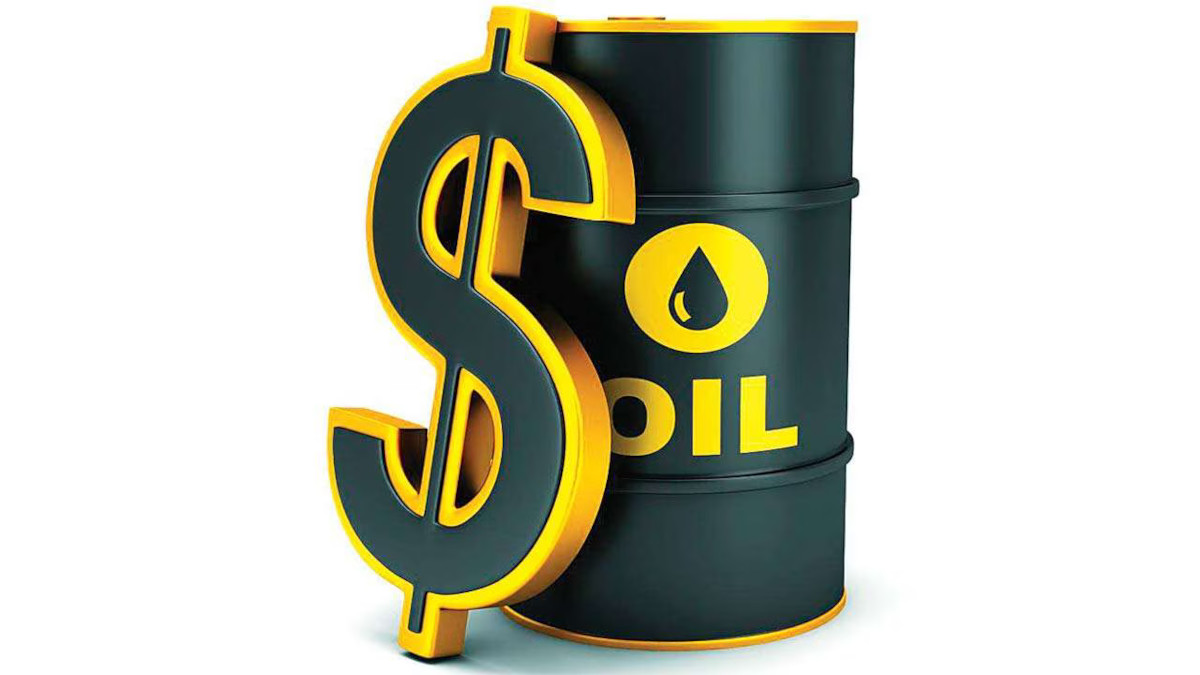
Brent crude ticked slightly higher on Friday but was still on track for a more than 8% weekly decline after Israel and Hezbollah agreed to a ceasefire and tanker traffic through the Strait of Hormuz increased.
Brent crude futures were up 20 cents, or 0.25%, at $80.05 a barrel, while U.S. West Texas Intermediate crude was up 25 cents, or 0.33%, at $76.85 per barrel. Trading volumes were light due to a U.S. federal holiday.
Oil shipments through the Strait of Hormuz picked up on Friday after the signing of the deal, with Gulf producers preparing to raise exports despite concerns over conditions set by Tehran for using the vital waterway.
At least four tankers carrying crude, oil products and liquefied petroleum gas entered the strait on Friday, heading for Iraqi Gulf ports, according to MarineTraffic data.
“Though (oil prices) haven’t got to the point to where they were before the war started, it looks like we’re headed in that direction,” said Phil Flynn, senior analyst with Price Futures Group, adding more supply is expected to flow through the Strait of Hormuz in the coming days.
“The backlog of ships can move quicker than some people think and if there’s cooperation between Iran and the U.S., it can move quite quickly.”

Israel and Hezbollah have agreed to a ceasefire which began at 4 p.m. local time (1300 GMT) on Friday, a senior U.S. official told Reuters.
“We understand that after the exchange of fire earlier today, Israel and Hezbollah are now in a ceasefire,” the official said.
A planned meeting between Iranian and U.S. officials in Switzerland on Friday has been postponed, with arrangements underway for talks in the coming days, Iran’s Foreign Ministry said on Friday.
The ministry said the meeting was no longer urgent because a memorandum of understanding on ending the war had already been signed digitally between the two sides.
Analysts expect the deal to release more than 85 million barrels of oil stranded in the Middle East Gulf into global markets. The agreement also includes the lifting of U.S. sanctions on Iranian oil, which would add more supply.
-

 Economy2 days ago
FG engages banking community on digital revenue optimisation platform
-
 Oil and Gas2 days ago
OPEC estimates 23% global energy demand growth
-
 News2 days ago
PETROAN urges refiners, importers to adjust fuel prices as crude falls
-
 Oil and Gas2 days ago
Pipeline security, community ties key to Nigeria’s oil output surge— PINL
-
 Business2 days ago
TikTok, ICC target Nigerian SMEs for global markets
-
 News2 days ago
KPMG Australia scandal widens after it confirms Optus data was also misused