
Oil and Gas
Falling energy prices won’t defuse rising risk of civil unrest in emerging markets

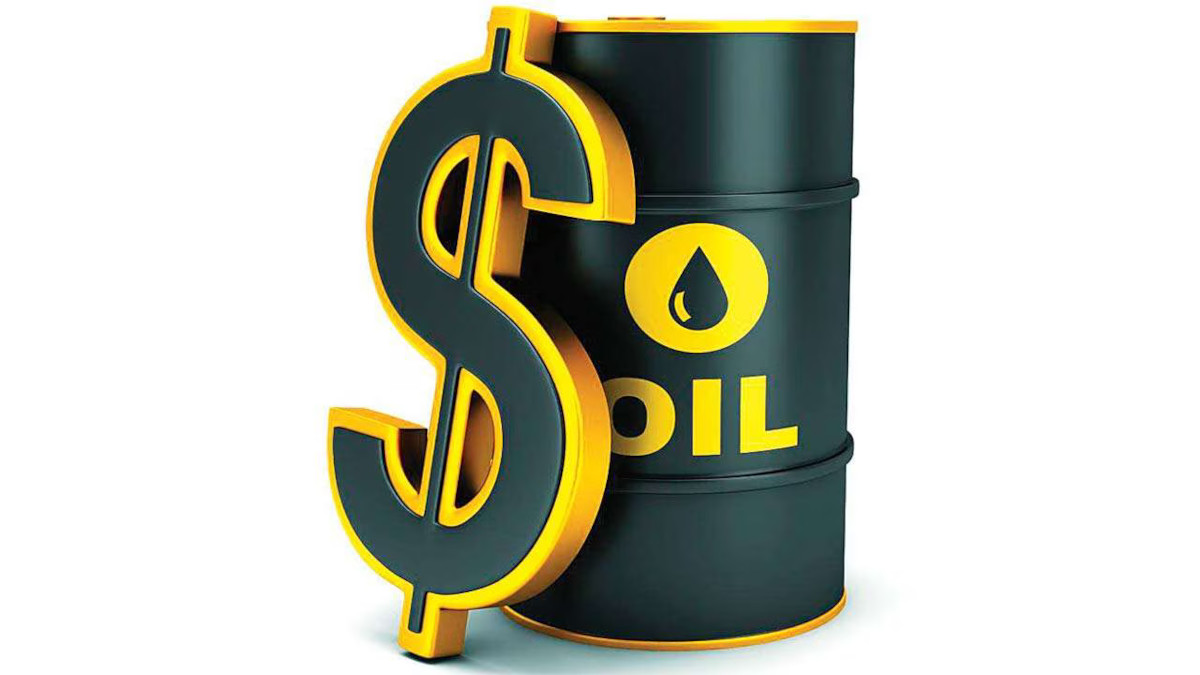
A drop in oil prices after a fragile U.S.-Iran truce has helped ease immediate inflationary pressure in many emerging markets, but cheaper oil alone will not defuse the threat of civil unrest as the damage to household finances has already been done, analysts say.
Countries from Kenya to Indonesia and Bolivia have seen protests in recent weeks linked to energy price hikes and the rising cost of living.
Global civil unrest hit a six-year high in the second quarter of 2026, UK-based global risk consultancy Verisk Maplecroft told Reuters. It produces a quarterly index tracking recorded protest events globally over a rolling 12-month period, measuring their frequency, scale and severity.
Oil prices have fallen toward pre-conflict levels, with Brent nearing $70 a barrel after an accord last week between Washington and Tehran reopened shipping through the Strait of Hormuz.
But months of elevated energy costs have already taken their toll. Oil prices remain volatile and any fall in price of oil or other commodities as trade through the Strait of Hormuz resumes will take time to filter through to consumers.
“Inflationary pressure from the disruption to shipping and damage to energy infrastructure will continue well into the second half of 2026,” said Torbjorn Soltvedt, head of EMEA at Verisk Maplecroft.
Average monthly protest size, measured by the number of participants, over the past 12 months
Iraq has seen the sharpest proportional rise in protest activity among emerging markets over the past year, followed by Turkey, according to Verisk Maplecroft’s civil unrest index, which measures protest size, fatalities and commercial property damage.
India – already the country with the highest risk of protests – has also seen a marked increase in demonstrations since the second quarter of last year, according to the index.
Several major emerging markets have worsened in the past 12 months. Brazil has seen its risk score deteriorate significantly, while the score for Iran, which saw huge anti-government protests before a crackdown earlier this year, has worsened sharply over the same period.
Not all governments face the same choices. Countries with relatively stronger fiscal buffers such as Indonesia and the Philippines, can absorb part of the shock through subsidies, said Carmen Altenkirch, emerging market sovereign analyst at Aviva Investors.

Those with weaker fiscal positions face a dilemma: pass higher prices on to households and risk unrest, or absorb the cost and slow fiscal consolidation.
“Tighter public finances contribute to rising inequality and poverty, both of which are important drivers of risk,” said Soltvedt at Verisk Maplecroft.
A small group of emerging economies – including Bangladesh, Pakistan, Kenya and Nigeria – have seen slight improvements in their level of civil unrest risk over the past year, but all remain firmly in high-risk territory.
Looking ahead, Verisk Maplecroft flags India, Mexico, Brazil, Argentina, Colombia and Turkey among those among those most at risk.
Jervin Naidoo, political analyst at Oxford Economics, flags Ethiopia, Tanzania, Rwanda, the Democratic Republic of Congo, Nigeria and South Africa as countries to watch.
“Early signs of protests around fuel are something of a foreshadowing for the rest of the continent,” Naidoo said.
Ratings agency Moody’s said the risk of negative rating actions depends on whether governments’ responses weaken fiscal trajectories.
Being under a programme with the International Monetary Fund can add complexity, as the Fund has urged governments to avoid broad subsidies.
“This is where you have to balance domestic politics versus what international lenders want you to do,” Naidoo said. Kenya and Mozambique are among countries looking for a fresh programme with the IMF.
Bond investors are likely to tolerate fiscal measures that are temporary and targeted, said Nicholas Sauer at Robeco. Others say the direction of travel on fuel subsidy reform in emerging markets has been broadly right.
“If you compare today’s subsidies with 2022, there is a very clear trend of fuel subsidy reduction,” said Carlos de Sousa at Vontobel. But with the ceasefire fragile, pressure could rebuild.
-
 News4 hours ago
NTDA, China partner to attract more Chinese tourists to Nigeria
-
 News4 hours ago
BRICS pushes local currency trade to cut transaction costs
-

 Finance4 hours ago
Subscribe to Dangote Refinery shares through Zenith Bank
-
 News4 hours ago
AD Consulting, Ecobank bring Nigeria’s art, architecture icons together in “The Convergence”
-
 Finance4 hours ago
PAPSS) targets accelerated adoption, transaction growth as network expands across Africa
-

 Maritime4 hours ago
Aquatic life restored in Ogoni creeks—FG