
Business
Inflation rate rises to 12.56% as import disruption weigh

Annual inflation in Nigeria rose for the 11th straight month in July, the statistics office said on Monday, as the novel coronavirus pandemic took its toll on imports and logistics. Inflation climbed to 12.82%, its highest level in more than two years, from 12.56% in June, the National Bureau of Statistics said. Yields on Treasury bills and bonds have now fallen below inflation, a major stumbling block for the central bank’s push to attract foreign inflows to support the Naira and boost the economy. The central bank has weakened the currency twice this year, to absorb the impact of a sharp fall in crude prices, which have caused a steep decline in growth. The move has also added to inflation with dollar shortages disrupting imports.
An analyst at Lagos-based consultancy Financial Derivatives said a hike in petroleum prices and disruptions linked to the phased easing of the coronavirus lockdown are partly to be blamed for the rise in inflation. Nigeria lifted an interstate travel restriction and allowed domestic flights to resume in July as airlines hiked fares to reflect social distancing rules and amid low demand. The statistics office said the prices of passenger transport by air and road rose the most on the non-food index, in addition to charges for medical services and pharmaceutical products.

A separate index for food, which accounts for the bulk of the inflation basket, showed a price increase of 15.48% from 15.18% in June. Food inflation has been in double digits for more than three years. Africa’s top oil exporter faces economic hardship from the coronavirus outbreak. The government expects the economy to contract by as much as 8.9% this year. Afrinvest in a note to investors said “Over the years, strong demographics, the rising middle income class and steady economic growth positions Nigeria as an attractive investment destination for FMCG players globally.
However, sluggish economic recovery, tight consumer spending and widening income inequality have slowed the growth in the consumer goods sector since the 2016 recession. This is apparent given that average GDP growth has slowed to 1.7% post-recession compared with the 4.8% recorded pre-recession. Similarly, the harsh operating environment given poor infrastructure, rising inflation, trade and FX restrictions, porous land borders and logistical setbacks have also dampened the performance of industry players. Despite the macroeconomic challenges, regulatory constraints and stiffer competition, corporates under our coverage grew revenue at a 5-year CAGR of 9.8% while earnings expanded at a 5-year CAGR of 5.3% in 2019”.
-

 Economy2 days ago
CPPE expresses worry over real-sector financing gap of over ₦50trn, proposes new devt-finance architecture
-

 Oil and Gas2 days ago
Energy professionals demand probe of NNPC, NUPRC over transparency concerns
-

 Economy2 days ago
Alake’s media aide debunks claims of handing over Nigeria’s solid minerals to Chinese
-

 Oil and Gas2 days ago
Group urges Ogoni to support resumption of oil production, 33-year shutdown cost Nigeria, Rivers $226bn
-

 News17 hours ago
Breastfeeding can improve Nigeria’s economy—Commissioner
-

 Oil and Gas17 hours ago
Oil prices drop 5% to three-week low after Trump cancels attack on Iran
-
Oil and Gas17 hours ago
NNPC remits N6.286trn into federation account between January and June 2026, issues another tender to sell Cawthorne crude
-
 Economy17 hours ago
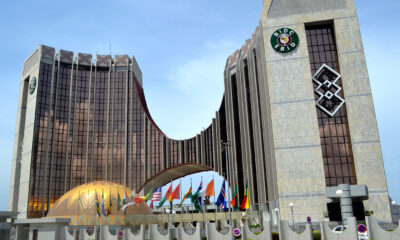
EBID, CORIS Holding sign 80m euro financing agreement to strengthen food, energy, agric value chains in West Africa