
Economy
Nigeria-Korea trade hits $1.1bn, targets growth beyond oil, gas

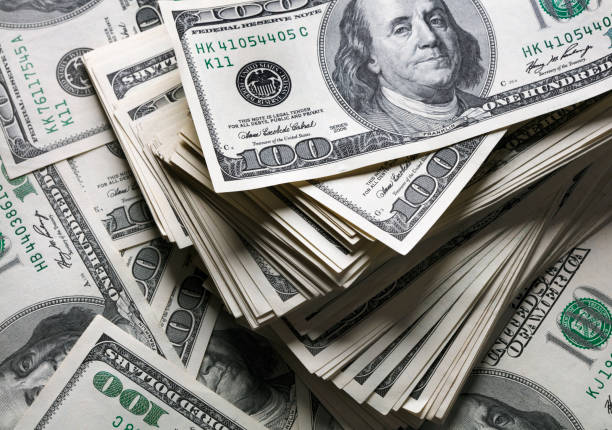
Republic of Korea has said it is seeking to expand trade with Nigeria beyond oil and gas into manufacturing, agriculture, digital technology and maritime services. The Korean Ambassador to Nigeria, Jeong Yo-an, disclosed this at a meeting with journalists on Wednesday in Abuja, saying both countries needed to explore more areas of economic cooperation to increase trade and create jobs.
He said bilateral trade between Nigeria and Korea reached about $1.1bn last year, with Nigeria remaining one of Korea’s largest trading partners in Africa. The ambassador said Korean companies had operated in Nigeria for decades, contributing to projects in energy, manufacturing, clean water and technology.
He identified Daewoo E&C, Samsung, LG, Hyundai and Solpia among Korean companies working with Nigerian partners in different sectors. He said, “Last year, our trade reached about 1.1 billion dollars. Nigeria remains one of Korea’s largest trading partners in Africa. But the shape of our trade must change. Today, Nigeria sells us mostly oil and gas. Korea sells mostly cars, electronics and machinery. We can do much more than that.”
He said the next phase of the relationship should focus on increasing local production, including vehicle assembly, machinery for rice farmers, digital skills and maritime development. He said Korea was interested in supporting more Nigerian businesses to participate in the country’s trade relationship with Nigeria, while encouraging Korean companies to invest in local production.
The ambassador identified the beauty and cosmetics industry as another area with strong business opportunities, noting that many Nigerians were already interested in Korean skincare and cosmetics. He said the country’s large youth population could make Nigeria an important market for Korean beauty products in Africa.

He added that the Korea Trade-Investment Promotion Agency (KOTRA) office in Lagos was available to connect Korean manufacturers with Nigerian importers and help Nigerian businesses find buyers in Korea. The ambassador said Nigerian buyers would have the opportunity to meet Korean companies at the Korean pavilion during the Beauty West Africa exhibition scheduled for November 13.
On diplomatic relations, Jeong said both countries were working towards strengthening political and economic ties, following the Korea-Africa Summit in 2024 and the first Korea-Africa Foreign Ministers’ Meeting in June this year. He said Nigeria had offered to host the seventh session of the Nigeria-Korea Joint Commission in Abuja.
On development, the ambassador disclosed that about 2,000 Nigerian public officials had received training in Korea through KOICA, while its Smart School project had reached 8,000 pupils and trained over 300 teachers and school leaders. He said KOICA, SMEDAN and the United Nations Development Programme had also commenced work on the Abuja Centre for Entrepreneurship to help young Nigerians develop business ideas and create jobs.
He added that Korea was supporting green jobs in agriculture, digital education and skills development. The ambassador further said Korea was working towards increasing its Official Development Assistance to $10bn by 2030 and providing $14bn in export financing to support Korean companies investing in Africa.
On cultural relations, Jeong said the Korean Cultural Centre Nigeria had engaged more than 300,000 people through its programmes, while this year’s Korean Film Festival attracted about 1,000 participants. He pledged to expand cultural activities to more Nigerian cities and encourage collaborations between young creatives in both countries.
-
 Stock Market1 day ago
NGX All-Share Index, market capitalisation each rose
-
 News1 day ago
Lagos IGR made up 67.72 per cent of the state’s recurrent revenue, others rely on FACC allocation—BudgIT
-
 Oil and Gas1 day ago
Oil prices slide about 2% to multi-week low amid peace talks
-
 Oil and Gas1 day ago
NNPC IPO will likely start with 5% to 10% listing, CEO says
-

 Finance1 day ago
Access Holdings to advance Africa’s Capital mobilisation agenda at AFIS 2026
-
 Finance1 day ago
World faces €30trn financing gap, Santander report warns
-
 Economy13 hours ago
CBN to auction N800bn Treasury Bills as N872bn matures
-
 Economy12 hours ago
States budgets exceed available funding, risking stalled projects, payment arrears—WBG