
News
Power generation falls to 4,300MW amid gas shortage – NISO

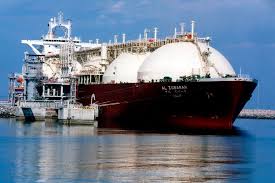
The Nigerian Independent System Operator (NISO) says power generation has dropped to approximately 4,300 megawatts due to inadequate gas supply to thermal generating stations.
Nigeria’s gas-fired power plants are receiving less than half of the fuel they need, worsening electricity supply, the grid manager said on Friday.
The shortage is tied to mounting sector debt from government subsidies, which operators say has risen to 6 trillion naira ($4.4 billion) this month. As a result, gas deliveries to power plants have dropped to less than half of required volumes.
National generation has slipped to about 4,300 megawatts, forcing the grid operator to limit electricity supply – known as load shedding – and cut allocations to power distributors to keep the system stable.
Thermal stations need around 1,630 million standard cubic feet (mmscf) of gas per day, but actual supply as of February 23 was only about 692 mmscf — roughly 43% of required volumes, the Nigerian Independent System Operator (NISO) said.
“The shortfall has constrained national output and reduced the amount of power allocated to distribution companies,” NISO said in a statement. It added that when total system generation falls sharply, it must implement load shedding while distributing available energy in line with regulated allocation percentages to maintain grid stability.
Last year, the government approved a phased plan to refinance 4 trillion naira in electricity sector debt to stabilise the struggling industry. The debt — owed mainly to 27 power generation companies for unpaid invoices from 2015 to 2023 — has deterred investment and worsened already severe outages.
In January, the government issued the first tranche of a 501 billion naira bond aimed at restoring liquidity. Operators say the measure is not enough, arguing that total debt has since climbed to 6 trillion naira.
The deteriorating supply has also hit tariff reforms. Even the roughly 15% of wealthier consumers who recently saw higher tariffs based on their ability to pay and higher consumption levels are now receiving erratic electricity, prompting many to consider abandoning the grid.
The management of NISO in a statement on Friday in Abuja, warned that the reduced output directly affected electricity supply to distribution companies (DisCos).
According to the statement, thermal plants account for the majority of Nigeria’s generation mix, so any disruption in gas supply limits overall grid capacity and reduces energy allocation to DisCos.
“Operational data shows thermal power plants require about 1,629.75 million standard cubic feet (MMSCF) of gas per day to operate at optimal capacity, but actual supply as of Feb. 23 was only 692 MMSCF
“This represents less than 43 per cent of the required volume, resulting in constrained generation output,” NISO said, adding that the shortfall is driving load shedding across the system.
The system operator noted that dispatching available energy followed the Nigerian Electricity Regulatory Commission (NERC) Multi-Year Tariff Order (MYTO) allocation percentages to maintain grid stability and prevent system disturbances.
NISO expressed regret for the inconvenience the situation might cause consumers and market participants and said it was working with stakeholders to restore full energy allocation as gas supply improved.
-
 Economy1 day ago
Zimbabwe bans exports of all raw minerals, lithium concentrates as China’s lithium price soars
-

 Economy57 minutes ago
Nigeria’s economic growth inched up marginally in fourth quarter of 2025
-

 Economy1 day ago
NRS targets N41trn revenue on back of tax reforms
-

 Maritime1 day ago
IMO/GreenVoyage2050: NIMASA rallies stakeholders’ to develop National Action Plan
-
 Agriculture1 day ago
AfDB awards $16.6m grant to IITA to scale agricultural technologies in Africa
-

 Oil and Gas1 day ago
NUPRC sets deadline for 2025 oil licensing round registration
-

 News1 day ago
FCCPC investigates price fixing by local airlines
-
 News1 day ago
African leaders push for Visa-Free travel