
Business
Nigeria to introduce QR code for tracing export products

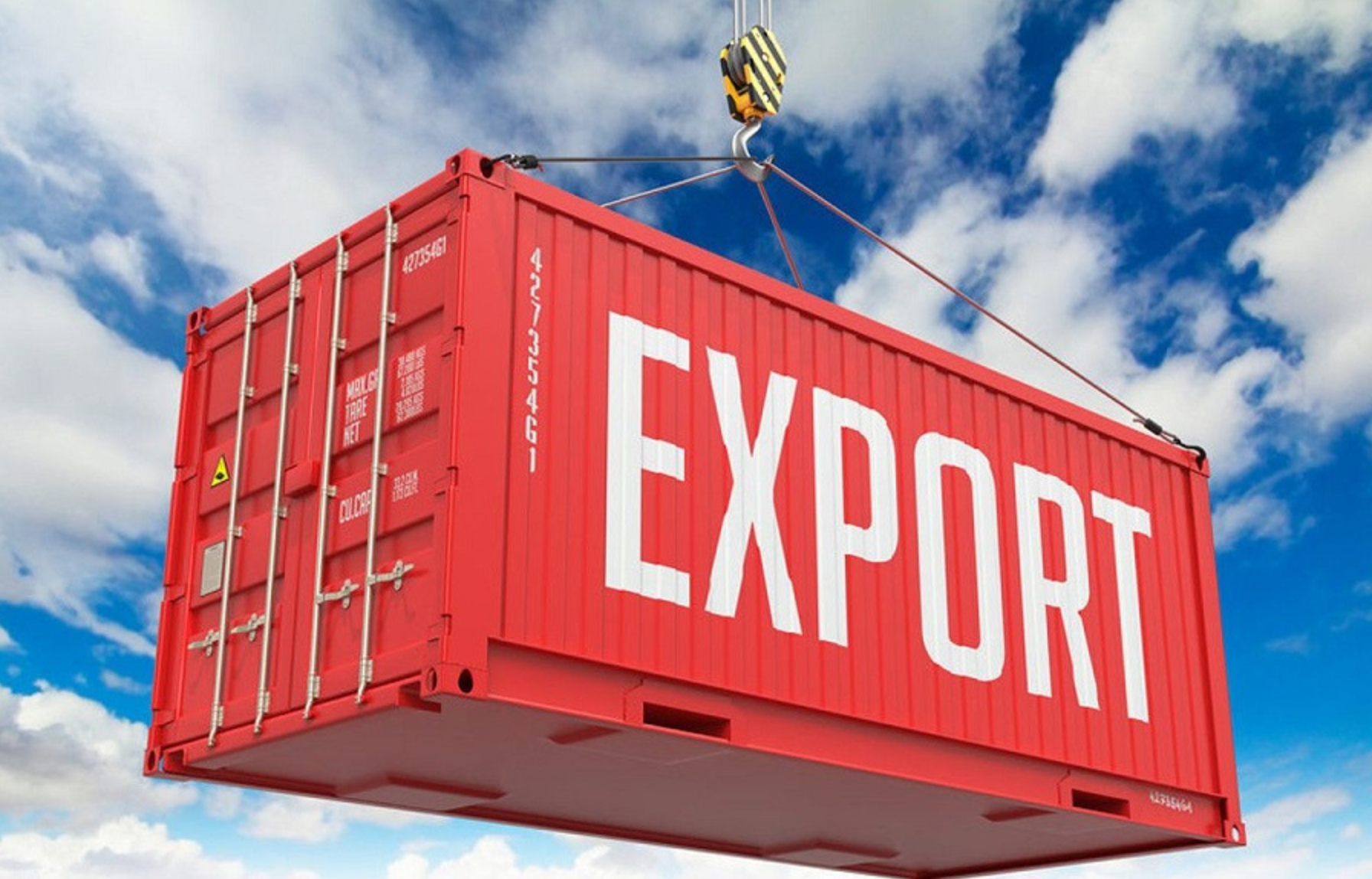
Federal Government says it is developing a national Halal framework that will introduce a Quick Response (QR) code certification for Nigerian products to facilitate traceability and access to international markets.
Mr Aliyu Sheriff, Special Assistant to the President on Export Expansion, disclosed this in an interview with the News Agency of Nigeria on the sidelines of the Malaysia International Halal Showcase (MIHAS) 2026 in Kuala Lumpur.
Sheriff who is also the Secretary, Nigeria Halal economy Strategy Implementation Committee (NHESICS) said the framework would establish standards for certification, accreditation and traceability.
He added that it would help international buyers verify the source and compliance of Nigerian products.
“We want to have our own Halal mark where you have a QR based code on it, so that for every export that goes out, it is normal to scan and trace back the product to the factory of origin,” he said. He said that Nigeria needed to establish a credible Halal certification structure to enable its businesses to compete effectively in the international market.
According to him, the government’s strategy is built around four pillars: Islamic finance, Halal compliance, market access, capacity development, and infrastructure development.
Sheriff added that the compliance component would focus on standardisation, accreditation and technology, while the market access pillar would help Nigerian businesses connect with international markets.
“We need to have a structure in place in terms of standardisation and accreditation and also embed technology into it. Everything is going digital now,” he said.
He said that Nigeria was seeking to learn from countries with established Halal ecosystems, particularly Malaysia and Indonesia, while developing a framework suited to the Nigerian environment. “Malaysia is the number one Halal-developed nation globally, so we need to have partnerships with them,” he said.
Sheriff said the government also planned to strengthen the capacity of Micro, Small and Medium Enterprises (MSMEs) to meet international requirements in areas such as standardisation and packaging.
He stressed that the Halal economy should not be viewed exclusively as a Muslim market, noting that its principles also covered quality, safety, ethics and sustainability.
“The concept of Halal extends beyond its Islamic origins. It embodies ethics, integrity and universal values that resonate across cultures and regions,” he said.

Sheriff said the government was therefore engaging businesses and regulators through sensitisation to broaden understanding of the economic opportunities presented by the global Halal market.
He said the strategy would also expand Nigeria’s participation beyond Halal food to sectors including modest fashion, tourism, hospitality, livestock and other services.
“We’re looking at tourism, we’re looking at infrastructure, we’re looking at livestock. It touches across different sectors and we’re not limiting ourselves to anything,” he said.
Sheriff said the government was currently finalising a draft implementation framework following consultations with international partners. “As I’m speaking to you now, we’re trying to finalise a draft framework,” he said.
He said capacity development activities involving international partners were planned for November, adding that the framework was expected to be finalised before the end of the year. “I think maybe later, before the end of the year, we should have something on the ground, by God’s grace,” he said.
Sheriff said government was also prioritising value addition, and Nigeria must move away from exporting raw commodities if it was to create jobs, generate foreign exchange and increase its share of the global market.
“Oh no, it has to be finished products. There is always sense in adding value to our products,” he said.
“We’ve always got our hands on exporting only raw commodities.
“We are not creating jobs, but our aim is to ensure there is value addition before export.”
He said Nigeria’s position as a major African economy and gateway to the African Continental Free Trade Area (AfCFTA) provided an opportunity to expand its participation in the global Halal economy.
“Nigeria being a gateway to Africa with AfCFTA, we can do better, we can do more. But we have to have the will, we have to have the direction, the roadmap,” he said. Sheriff said the government had established a secretariat at the Bank of Industry to coordinate implementation of the National Halal Economy Strategy.
He said relevant ministries, departments and agencies had also been assigned roles under four work-streams to ensure continuity in implementing the strategy. NAN
-
 Economy2 days ago
FG launches online discount shop for troops, veterans in Abuja
-

 Oil and Gas2 days ago
Petrol receipts rise 11% as Dangote refinery exceeds capacity— NMDPRA
-

 Oil and Gas2 days ago
Oil prices drop about 3% as US, Iran explore path out of war
-

 Stock Market2 days ago
Sterling Financial optimises share capital reconstruction
-

 News2 days ago
AfDB calls for clean cooking to become a central pillar of Africa’s energy transition
-

 News2 days ago
NIS didn’t breach any court order’ on Godwin-Isaac passport controversy
-

 News6 minutes ago
Nigeria, UK advance negotiations on trade cooperation deal
-

 Finance4 minutes ago
NICA urges shift from cash-based economy, says credit access key to Nigeria’s industrialisation