
Economy
Rising fuel prices revive cost-of-living pressure in Nigeria ahead of 2027 election

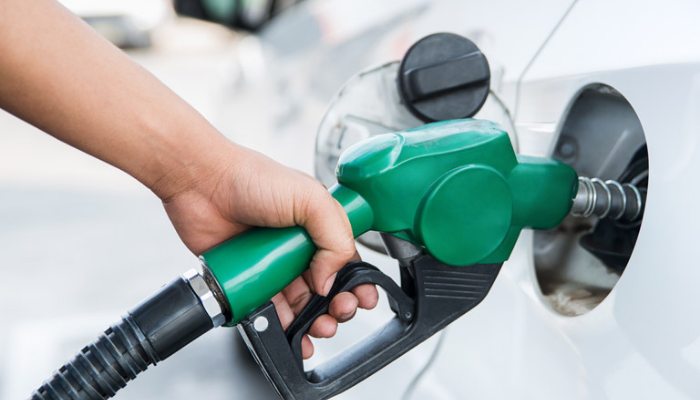
Fuel prices across Nigeria have climbed to record highs of N1,400 per liter as tensions in the Middle East push up global oil prices, piling fresh cost-of-living pressure on Nigerians.
The surge in fuel price has occurred even as the Dangote refinery, Africa’s largest, operates at full tilt of 700,000 barrels per day, highlighting the limits of domestic refining in shielding consumers from international oil market shocks.
Petrol prices have risen to about N1,400 about $1.05 a litre in Lagos and Abuja in September from roughly N1,200 a month earlier, while some stations in northern Nigeria charged as much as N1,500. Diesel was selling higher, at more than N2,000 a litre.
“Fuel costs are eating into our earnings. After buying fuel, there is very little left for our families,” said Abuja-based truck driver Caleb Ojobo. The price increase followed Dangote refinery’s decision to raise its wholesale loading-bay, or gantry, price to N1,350 per litre, reflecting higher crude costs and the continued exposure of fuel prices to global market swings. OPEC member Nigeria is Africa’s largest oil producer.
Ahead of the 2027 general election, to be held on January 16, opposition politicians have made fuel prices a central test of the government’s economic record.

The latest rise has revived the debate over Tinubu’s removal of the petrol subsidy, a reform praised by investors but blamed by critics for worsening a cost-of-living crisis that has eroded household purchasing power. The president has said there is no going back to subsidies.
“Fuel pricing tends to function as a proxy for the broader cost-of-living debate, and sustained increases raise the political premium on demonstrating that reform is delivering offsetting benefits,” said Jordan Lawrence, CEO of Damisa Technologies, a fintech firm.
The high fuel prices come as billionaire Aliko Dangote has started selling shares to the general public to raise funds for the expansion of his refinery. While the initial public offering has generated excitement as thousands seek a stake in the refinery, Nigerians are paying more at the pump.
“These new costs continue to inflict and deepen poverty among the populace,” Nigeria Labour Congress President Joe Ajaero said, calling for additional wage support and more naira-denominated crude to the refinery to help curb further price rises.
Analysts say fuel prices will put pressure on inflation, which ticked lower to 15.39% in August from 15.43% in July. Food inflation also eased slightly, but remained at a higher 19.57%.
-

 Economy1 day ago
Manufacturers still face high production costs despite lower inflation—MAN
-
News1 day ago
NDLEA intercepts 1.3m tramadol pills, 6,000kg cannabis worth N3.4bn nabs fake police officer
-

 Uncategorized1 day ago
Red Star Express posts stronger profit growth as revenue rises to N23.5bn
-

 Economy1 day ago
350 Niger’s hidden child miners rescued, thousands more at risk—CSO warns
-

 Economy24 hours ago
Retail trade in Nigeria faces stiff foreign competition—CPPE
-
 Finance32 minutes ago
Financial expert predicts 50 basis points reduction in MPR
-

 Economy30 minutes ago
Nigeria DRE Fund reaches commercial milestone
-

 News25 minutes ago
Afreximbank, ATDC sign $500m facility to expand African trade and distribution