
Economy
Why Nigeria’s industrial development is slow–UNIDO

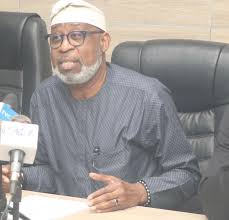
 United Nation Industrial Development Organisation (UNIDO) has attributed Nigeria’s slow pace of development to inconsistency in the country’s industrial policy. UNIDO Country Representative in Nigeria, Dr Patrick Kormawa, stated this in an interview in Abuja. Kormawa said that Nigeria’s over-dependence on export of raw materials would not enhance development, adding that dependence on export of finished product was a major key to economic development.
He said that Nigeria had over the years focused on export of raw materials, especially oil, without focusing on non-oil sector such as industry and agriculture.
“Nigeria did not address fundamental constraints to competitiveness; as a result of this businesses crumbled and products were rejected,” he said.
Kormawa also blamed the problem on lack of a well defined trade policy that was integrated with a clear investment policy and a detailed industrial policy plan.
“No country in the entire world can thrive by depending on exportation of raw materials rather than exporting finish products.
“The more a country specialises in the production of raw materials which, of course Africa has found itself in, the poorer it becomes.

“The Europeans and Americans have developed through value-added activities not by exporting oil or agricultural commodities but by making and doing things.
He pledged the commitment of UNIDO to offer necessary support that would enhance diversification of the nation’s economy by boosting trade and investment through public- private initiatives.
He said that UNIDO had concluded plans to set up quality infrastructure in Nigeria to facilitate international trade and competitiveness in international markets for Nigerian products. Kormawa said that the project, if fully executed, would help to reduce rejection of made in Nigeria products due to low quality.
“The challenges facing Nigeria globally, in terms of acceptability of its product, is inconsistency in industrial policies. No country can develop where the largest proportion of its people are engaged in selling of raw materials. This country, over the years, has engaged in selling crude oil and by simple mathematics, you sell crude oil at N100 and you buy refined product at N150.
“This means that the country losses N50 on each barrel purchased. The launch of Nigeria competitiveness programme by UNIDO some days ago would help to diversify the economy. The project is designed to assist the country in its effort at diversifying the economy away from oil and gas.
“It is geared towards boosting the contribution of the non-oil sector growth and development of the country, creating jobs, improving business climate among others,’’ he said. Kormawa called for the establishment of an accredited body to manage quality infrastructure in Nigeria to enhance the acceptability of made in Nigeria goods across board.
-

 Oil and Gas15 hours ago
Dangote refinery drops PMS to ₦1,165/Litre, diesel to ₦1,570/litre
-
Oil and Gas2 days ago
Dangote refinery aims to raise $5bn with October listing, source says
-
 News2 days ago
DisCos metered 227,559 customers in 2 months— NERC
-
 Finance2 days ago
CBN holds fair in Gombe to deepen financial inclusion, promote economic growth
-
 Agriculture2 days ago
African Development Fund grants $4.3m to strengthen integration of natural capital into decision-making in 13 African countries
-
 News2 days ago
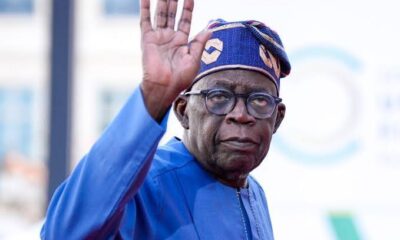
Tinubu approves salary increases for armed forces personnel
-
 Economy2 days ago
Nigeria woos U.S. solid minerals investors
-

 News15 hours ago
85m Nigerians still lack access to grid electricity—REA